The right harmonica can add expressive leads, subtle textures, and convincing blues phrasing to a recording without taking up much space in a mix.
These 10 picks cover responsive professional-style diatonic models, beginner bundles, and a tremolo harmonica for players who want a broader tonal character. Use the guide below to match the instrument to your microphone, playing style, and budget.
Best 10 Harmonicas for Recording Picks for 2026
Versatile Starter Pick
Hohner Special 20 Harmonica Bundle

- Warm, versatile sound profile
- Recessed reeds and airtight design
- Includes case, manual access, and cloth
Best For: Beginners and players recording in C
Bright Blues Value
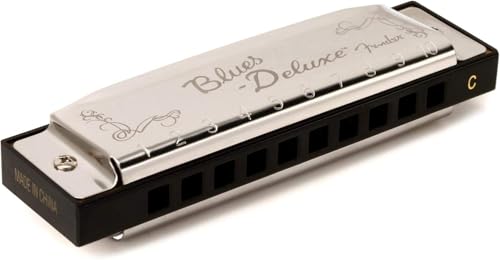
- Bright sound from brass reeds
- Moisture-resistant ABS comb
- One-year limited warranty
Best For: Beginners and blues recording
Focused Core Instrument

- Standalone professional-style design
- Responsive reeds and projecting mouthpiece
- Lightweight 60 g construction
Best For: Players who already own recording accessories
Travel-Ready Bundle
Fender Blues Deluxe Harmonica Set

- Bright C-key 10-hole diatonic
- Vented case aids drying
- Includes case, manual access, and cloth
Best For: Portable beginner and blues recording setups
Studio-Ready Tremolo Pick
Eastar Admiral 24-Hole C Tremolo

- Rich, resonant C tremolo sound
- Phosphor bronze reeds and brass base
- Hard case and accessories included
Best For: Recording tremolo performances and fuller ensemble textures
Beginner Blues Pick

- Accessible beginner diatonic design
- 20 brass reeds with brass reed plate
- Compact C-key blues option
Best For: Entry-level blues recording and basic melody takes
Portable Diatonic Pick

- Compact 10-hole C diatonic format
- Responsive phosphor bronze reeds
- Blue case and one-year warranty
Best For: Portable recording, practice, and varied diatonic styles
Best Beginner Recording Pick
EastRock C-Key Blues Harmonica
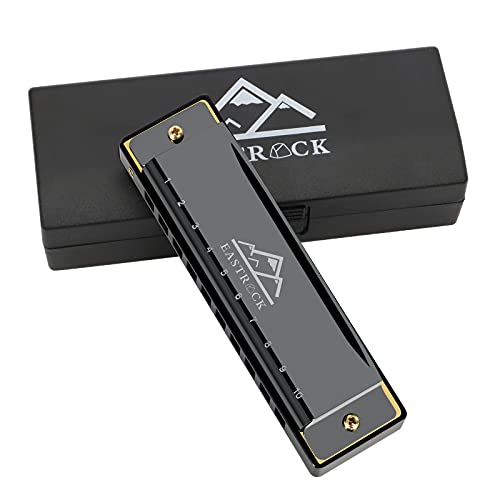
- Phosphor bronze reeds and stainless steel cover
- Food-grade ABS resin comb
- Includes a protective case
Best For: Beginners and intermediate players recording blues and varied styles
Best Portable Recording Option

- Compact pocket-friendly dimensions
- Responsive brass reeds and 0.8 mm reed plate
- Includes manual and cleaning cloth
Best For: Beginners and students who record or practice on the go
Best Value Recording Starter
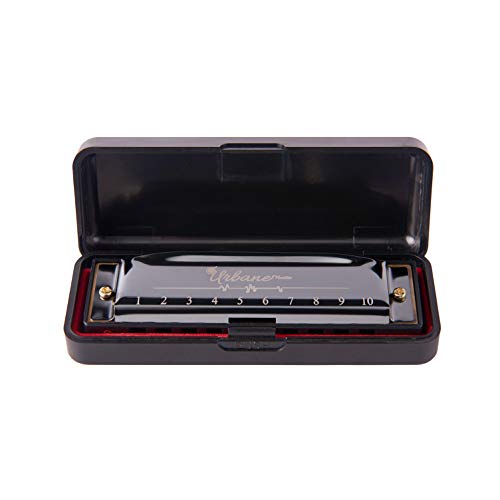
- 0.8 mm copper reed plate
- Balanced, versatile sound profile
- Includes case, manual, and dust cloth
Best For: Beginners building an affordable home recording setup
Versatile Starter Pick – Hohner Special 20 Harmonica Bundle
The Hohner Special 20 in C is a strong choice when shopping for harmonicas for recording because its recessed reed plates, airtight design, and warm, versatile sound profile support consistent playing. This bundle also adds a zip case, online manual access, and a polishing cloth.
Best For: Beginners and experienced players who want a responsive C harmonica with useful care and storage accessories.
Pros:
- Recessed brass reed plates and projecting plastic mouthpiece provide comfortable playability.
- 20 brass reeds and stainless steel covers are built for dependable use.
- Available in multiple keys, octaves, and minor tunings for broader recording needs.
- Includes a protective zip case and polishing cloth.
Cons:
- This bundle is limited to the key of C.
- The instructional manual is accessed online rather than included as a physical booklet.
For a recording setup that needs a comfortable, adaptable diatonic harmonica, the Special 20 offers a practical balance of playability, construction, and included accessories.
Bright Blues Value – Fender Blues Deluxe Harmonica
The Fender Blues Deluxe in C is a straightforward option for harmonicas for recording, especially when you want a bright sound and a beginner-friendly design. Its molded PVC comb, brass reeds, and chromed metal covers support comfortable everyday use.
Best For: Beginners and blues players seeking an affordable C diatonic harmonica with a bright tone.
Pros:
- 10-hole diatonic design is suited to beginners and blues playing.
- Moisture-resistant ABS plastic comb supports tuning stability.
- Brass reeds deliver a bright, classic tone.
- Includes a one-year limited manufacturer warranty.
Cons:
- Only the key of C is supplied.
- The listing identifies the included component as a case but provides limited accessory detail.
This Fender is a sensible entry-level recording choice when a bright, familiar blues character matters more than extensive included extras or multiple tunings.
Focused Core Instrument – Hohner Special 20 in C
The standalone Hohner Special 20 in C keeps the focus on the instrument itself, making it a practical pick for harmonicas for recording when you already have storage and maintenance supplies. Its professional positioning and responsive design suit detailed practice and performance.
Best For: Players who want a standalone professional-style C diatonic harmonica without a bundled accessory package.
Pros:
- Professional Special 20 design with responsive reeds.
- Injection-molded plastic comb includes a projecting mouthpiece.
- Compact, lightweight instrument at 60 g.
Cons:
- The supplied notes list only the C key.
- No carrying case, cloth, or instructional materials are listed.
- Warranty coverage is listed as 90 days.
This is the leanest option in the group: a focused Special 20 instrument for recording setups that do not need bundled accessories.
Travel-Ready Bundle – Fender Blues Deluxe Harmonica Set
The Fender Blues Deluxe bundle combines a C-key, 10-hole diatonic harmonica with practical care and storage accessories. For harmonicas for recording, its bright sound, moisture-resistant ABS comb, and vented case make it convenient for players moving between practice, travel, and sessions.
Best For: Beginners and blues players who want a bright C harmonica with protective storage and basic care extras.
Pros:
- Moisture-resistant ABS comb supports bright sound and tuning stability.
- Chromed metal covers are protective and easy to clean.
- Vented plastic case helps the harmonica dry after playing.
- Includes a carrying case, online manual access, and polishing cloth.
Cons:
- The bundle is limited to the key of C.
- The manual is online rather than a physical booklet.
Choose this set if portability and post-session care are priorities. It offers a convenient package around Fender’s bright-sounding Blues Deluxe design.
Studio-Ready Tremolo Pick – Eastar Admiral 24-Hole C Tremolo
For shoppers comparing harmonicas for recording, the Eastar Admiral stands out as a 24-hole C tremolo model designed around a rich, resonant sound. Its phosphor bronze reeds, thick brass base, ABS comb, and reinforced construction make it a substantial option for detailed performances.
Best For: Players seeking a C tremolo harmonica with a full sound, hard case, and studio-oriented specifications.
Pros:
- 24-hole C tremolo design with a rich, resonant, dynamic sound profile
- Phosphor bronze reeds and a durable 1.1 mm brass base
- Includes a hard case, cloth, manual, and protective packaging
- Fifteen screws and a limited-position mouthpiece are designed to support airtightness
Cons:
- Tremolo styling may be less suitable than a 10-hole diatonic for blues or bending-focused parts
- The larger 24-hole format may be less pocket-friendly than compact models
The Admiral is a feature-rich choice when recording calls for a broad tremolo texture and a carefully built instrument. Its included case and one-year service add practical value for regular performers.
Beginner Blues Pick – Hohner Blues Band Key of C
The Hohner Blues Band is a straightforward option for anyone choosing harmonicas for recording, especially when a familiar C diatonic blues sound is the priority. It uses 20 brass reeds, sold brass reed plates, and a stainless steel coverplate in a compact beginner-oriented design.
Best For: Beginners recording blues parts, simple melodies, and practice takes in the key of C.
Pros:
- Top-selling beginner harp with an accessible diatonic layout
- 20 brass reeds and a 0.9 mm brass reed plate
- Stainless steel coverplate and included case
- C key suits many beginner blues and melody arrangements
Cons:
- Only available here in the key of C
- Its beginner-focused construction may offer fewer specialized features than professional models
- Warranty coverage is limited and excludes misuse and normal wear
This Hohner is a practical starting point for home recording and basic blues sessions. Its simple C-key diatonic format keeps the setup approachable, though players building a larger recording collection may eventually need additional keys.
Portable Diatonic Pick – East Top 008K Key of C
The East Top 008K is a compact 10-hole C diatonic harmonica for recording setups that value portability and responsive playability. Its phosphor bronze reeds, 1.2 mm electroplated brass reed plate, ABS comb, and stainless steel cover are designed for a rich, accurate tone across blues, folk, rock, country, and jazz styles.
Best For: Beginners and experienced players who want a pocket-size C harmonica for recording, practice, and varied musical styles.
Pros:
- 10-hole diatonic format supports blues, folk, rock, country, and jazz
- Phosphor bronze reeds and a 1.2 mm reed plate provide a rich, responsive sound
- Compact 4.02-inch size is easy to carry
- Includes a blue case and one-year manufacturer warranty
Cons:
- Only supplied in the key of C
- Single-key coverage may be limiting for multi-key recording projects
- Compact construction may not provide the broader range of a tremolo model
The 008K balances portability with features aimed at responsive playing, making it a versatile choice for a small recording bag. Choose it when a conventional 10-hole diatonic format is more useful than a larger tremolo design.
Best Beginner Recording Pick – EastRock C-Key Blues Harmonica
The EastRock 10-hole C harmonica is a practical starting point for harmonicas for recording, especially if you want a durable, easy-to-hold instrument for blues, folk, rock, jazz, country, and other styles. Its phosphor bronze reeds, stainless steel cover, and food-grade ABS comb are designed for comfortable playing and a melodious tone.
Best For: Beginners and intermediate players who want a versatile C-key harmonica with a case.
Pros:
- Phosphor bronze reeds and stainless steel cover support a durable build.
- Food-grade ABS resin comb is designed to be lip-friendly.
- Built-in airflow splitter can help beginners maintain stable airflow.
- Includes a case for storage and transport.
Cons:
- Only the C key is included.
- The airflow-focused design may appeal more to learners than advanced players seeking specialized recording instruments.
For a first harmonica in a recording setup, the EastRock offers a useful balance of beginner-friendly handling, broad genre coverage, and sturdy materials. Its included case also makes it convenient to keep ready for practice or sessions.
Best Portable Recording Option – East Top Junior C Harmonica
For harmonicas for recording that are easy to carry between practice spaces and sessions, the East Top junior C harmonica offers a compact 10-hole design with a blue plastic comb, stainless steel cover, and brass reeds. It is intended for responsive playing across blues, folk, rock, country, and jazz.
Best For: Beginners, children, students, and players who value a pocket-friendly instrument with included cleaning accessories.
Pros:
- Compact dimensions make it easy to carry in a pocket or bag.
- Brass reeds and a 0.8 mm reed plate are designed for rich, responsive sound.
- Includes an instruction manual and cleaning cloth.
- One-year manufacturer warranty is specified in the product details.
Cons:
- The junior-focused design may be less suited to players wanting a professional-level model.
- Only the C key is supplied.
This model is a sensible choice when portability matters as much as playability. Its compact size and cleaning cloth are useful for mobile recording or regular practice, while the C key keeps it approachable for beginners.
Best Value Recording Starter – URBANE 10-Hole C Harmonica
The URBANE 10-hole C harmonica is a straightforward option for harmonicas for recording, with a precisely designed 0.8 mm copper reed plate and a food-grade ABS resin comb. Its balanced, versatile sound profile suits blues, folk, classical, jazz, country, and rock.
Best For: Beginners and casual recording setups that need a versatile C-key harmonica with storage and care accessories.
Pros:
- Copper reed plate is tuned and tested during manufacture according to the product notes.
- Food-grade ABS resin comb offers a non-toxic material choice.
- Portable design is convenient to carry.
- Package includes a decorative box, plastic case, manual, and dust cloth.
Cons:
- Only the C key is included.
- The listed 60-day refund and 180-day replacement periods are shorter than the one-year warranty listed for the East Top model.
With its balanced sound profile, broad genre suitability, and useful storage accessories, the URBANE is a practical starter for home recording. The included case and dust cloth also make routine storage and maintenance simpler.
How We Picked the Best Harmonicas for Recording
We focused on factors that matter in a studio or home-recording setup: tuning consistency, reed responsiveness, comfort, construction, included accessories, and value. Diatonic harmonicas received particular attention because they are the standard choice for blues, rock, folk, country, and many pop parts. We also included a 24-hole tremolo model for players seeking a wider range and a distinctive doubled effect.
Because every product here is in the key of C, comparisons are straightforward. C is also a practical first key for beginners and works well with common practice material, though serious players may eventually want a set covering several keys.
Quick Comparison
| Best For | What to Look For |
|---|---|
| Studio-focused players | Responsive reeds, reliable tuning, comfortable mouthpiece |
| Blues and amplified playing | 10-hole diatonic design and a controlled acoustic response |
| Beginners | Affordable price, protective case, manual, and easy playability |
| Wide-range melodic parts | 24-hole tremolo construction and a larger note layout |
| Travel or backup use | Compact case, durable comb, and low replacement cost |
Key Buying Factors for Harmonicas for Recording
Reed Response and Tuning
Responsive reeds make soft phrases easier to capture and reduce the breath pressure needed for bends. Consistent tuning is equally important because small pitch problems become more noticeable after overdubbing, compression, or layering. Professional-style models generally offer more predictable response, while entry-level harmonicas can vary more from unit to unit.
Comb and Mouthpiece Design
Plastic combs are common for recording because they resist moisture, are easy to clean, and provide a smooth playing surface. A projecting or rounded mouthpiece can improve comfort during long sessions. Choose a design that lets you move cleanly between holes without scraping or excessive air leakage.
Microphone Compatibility and Tone
Most harmonicas can be recorded with a dynamic, condenser, or dedicated harmonica microphone. A bright instrument may cut through guitars more easily, while a warmer response can sit naturally under vocals. Test placement and gain carefully: harmonicas can produce strong peaks when bent or played forcefully, so leave adequate headroom.
Accessories and Maintenance
A case protects reeds from dust and impact, while a cloth helps remove moisture after playing. Manuals and instructional materials are useful for new players but should not outweigh build quality. Always allow the harmonica to dry before storing it, and avoid sharing mouthpieces without proper cleaning.
Who Should Buy Which Harmonicas for Recording?
Choose a Hohner Special 20 if recording quality, comfortable playability, and dependable response are your priorities. Its plastic comb design is especially practical for frequent use. Fender Blues Deluxe models are sensible choices for beginners and casual players who want an accessible blues-oriented instrument, particularly when a bundle adds a case and basic accessories.
Budget 10-hole models from East top, EastRock, and similar brands make the most sense for first-time players, classroom use, gifts, or keeping a spare in a gig bag. They can be useful for learning, but players recording regularly may appreciate the more consistent response of a better-established model.
Pick the Eastar 24-hole tremolo harmonica if you want a larger range and a tremolo color rather than the familiar single-reed blues sound. The Hohner Blues Band is a practical middle-ground option for simple blues, folk, and practice parts. For the best result, buy the model that matches your playing style first, then add other keys as your repertoire expands.