Choosing an audio interface with low latency can make the difference between a smooth session and distracting delay. The right model keeps monitoring responsive while delivering clean, dependable recording quality.
Below, we’ve rounded up ten options for home studios, vocal tracking, guitar recording, and content creation, with an eye on connection type, I/O, software support, and real-world workflow.
Best 10 Audio Interface with Low Latency Picks for 2026
Studio-Ready Low-Latency 4x4
Motu M4 4x4 USB-C Audio Interface

- 4-in/4-out USB-C interface
- Hardware monitoring and loopback
- MIDI I/O with Mac/PC/iOS support
Best For: Recording, mixing, and podcasting with low-latency monitoring
Simple Zero-Latency Starter
2x2 USB-C Interface with Monitor Mix

- Zero-latency direct monitoring
- 24-bit/192kHz USB-C recording
- Combo inputs with phantom power
Best For: Portable home recording and quick plug-and-play tracking
Compact Vocal-and-Guitar Pick
Focusrite Scarlett Solo 3rd Gen USB-C Audio Interface

- 1 XLR mic preamp and 1 instrument input
- 24-bit/192kHz converters with Air mode
- Low-noise balanced outputs
Best For: Solo vocal and guitar recording with a simple desktop setup
Ultra-Low-Latency Guitar Rig
XSONIC Xtone Mobile Audio Interface

- Ultra-low-latency guitar-focused design
- 192kHz sampling and 108dB dynamic range
- Footswitch and expression pedal inputs
Best For: Guitarists using amp sims and effects with pedal-style control
Ultra-Low-Latency Streaming Pick
Elgato Wave XLR MK.2 USB Audio Interface and DSP Mixer

- Ultra-low-latency monitoring at 24-bit/48kHz
- 80dB gain for XLR microphones
- DSP effects, touch mute, and LED feedback
Best For: Streamers and voice creators who want fast monitoring and strong mic gain
Budget Zero-Latency Starter
M-AUDIO M-Track Duo USB Audio Interface
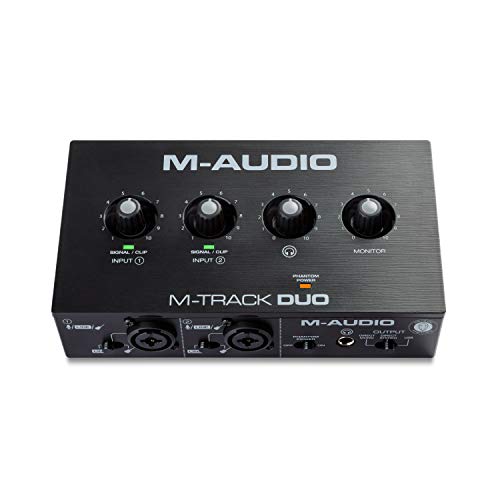
- USB/Direct switch for zero latency monitoring
- Two combo XLR/line/instrument inputs
- 48kHz recording with included MPC Beats software
Best For: Beginners who want a simple, affordable interface for podcasting and streaming
DSP Monitoring Pro Pick
Yamaha URX22C 2-in/2-out USB-C Audio/MIDI Interface

- Latency-free DSP monitoring with onboard effects
- 32-bit/192kHz support and Class-A D-PRE preamps
- Includes MIDI I/O and cross-platform software
Best For: Musicians and home recordists who want DSP monitoring and high-resolution audio
Budget Starter Pick
XTUGA Q-12 USB Audio Interface

- Dual XLR and 3.5mm mic input support
- 48V phantom power with USB plug-and-play
- Designed for stable, low-latency daily use
Best For: Students and beginners who want a simple, affordable 2-channel interface
Best All-Rounder

- 24-bit/192kHz recording with dual combo inputs
- Zero-latency monitoring with four modes
- USB-C plug-and-play for Mac and Windows
Best For: Creators needing a flexible interface for music, podcasts, and streaming
Simple Low-Latency Pick

- 24-bit/192kHz recording with direct monitoring
- 48V phantom power for condenser mics
- Compact 2-in/2-out plug-and-play design
Best For: Beginners and solo creators recording vocals, guitar, and podcasts
Studio-Ready Low-Latency 4×4 – Motu M4 4×4 USB-C Audio Interface
If you want an audio interface with low latency for recording, podcasting, or simple home production, the Motu M4 is built around speed and monitoring flexibility. Its 4×4 USB-C layout, hardware monitoring, MIDI I/O, and loopback support make it a practical choice for creators who want a straightforward setup with plenty of connectivity.
Best For: Recording, mixing, and podcasting on Mac, PC, or iOS with low-latency monitoring and loopback.
Pros:
- 4-in/4-out USB-C interface with two microphone preamps
- Hardware monitoring and low-latency monitoring support
- Loopback for streaming or podcast workflows
- MIDI I/O plus support for Mac, PC, and iOS
Cons:
- No bundled operating system is listed
- More I/O than a basic solo setup may need
The M4 stands out when you need a compact interface that keeps monitoring tight while still offering enough routing options for expanding projects. It is a strong fit for users who want a reliable all-rounder without moving into a larger studio interface.
Simple Zero-Latency Starter – 2×2 USB-C Interface with Monitor Mix
This audio interface with low latency is aimed at creators who want a simple, bus-powered setup for PC, Mac, or iOS. The 2×2 design, direct monitor feature, and class-compliant USB-C connection make it a practical pick for quick vocal or instrument tracking without driver hassle.
Best For: Portable home recording, vocal tracking, and plug-and-play use with direct monitoring.
Pros:
- Class-compliant USB-C interface with bus power
- Direct Monitor feature for zero-latency tracking
- 24-bit/192kHz recording with low-noise converters
- XLR/TRS combo inputs plus 48V phantom power
Cons:
- Only two channels, so it is not ideal for larger sessions
- Windows support is listed, while the notes focus more on Mac/PC/iOS use overall
The Q28 is a good fit if you want an uncomplicated interface that gets straight to recording. It emphasizes ease of use and low-latency monitoring over advanced routing, which makes it especially appealing for first-time buyers and mobile creators.
Compact Vocal-and-Guitar Pick – Focusrite Scarlett Solo 3rd Gen USB-C Audio Interface
If you need an audio interface with low latency for vocals and guitar, the Scarlett Solo 3rd Gen keeps the setup simple while still delivering pro-grade recording features. It offers a mic preamp, Hi-Z instrument input, 24-bit/192kHz conversion, and low-noise outputs for clean playback and monitoring.
Best For: Solo vocal and guitar recording, podcasting, and compact desktop setups.
Pros:
- High-performance mic preamp with switchable Air mode
- 24-bit/192kHz converters for studio-quality recording
- 1 XLR mic input plus 1 Hi-Z instrument input
- Low-noise balanced outputs for clear listening
Cons:
- Only one mic preamp and one instrument input
- Less flexible than multi-input interfaces for bigger sessions
The Scarlett Solo remains a sensible buy when you want dependable sound quality in a compact footprint. It is especially strong for single-performer workflows where clear input monitoring and simple operation matter more than extra channels.
Ultra-Low-Latency Guitar Rig – XSONIC Xtone Mobile Audio Interface
For players searching for an audio interface with low latency specifically for guitar effects and VST use, the XSONIC Xtone is purpose-built for that workflow. Its ultra-low-latency design, 192kHz sampling rate, high dynamic range, and footswitch and expression pedal inputs make it a focused tool for amp modeling and performance control.
Best For: Guitarists using amp sims, effects software, and pedal-style control on Mac, Windows, or iOS.
Pros:
- Designed specifically for guitar effects and VST add-on applications
- Ultra-low-latency operation with 192kHz/108dB specs
- Footswitch input and expression pedal input
- Ultralight and powered directly by compatible devices
Cons:
- Single-channel design is narrow in scope
- Focused on guitar workflows rather than general multi-input recording
The Xtone makes the most sense when guitar processing is the priority. It is less of a general-purpose interface and more of a dedicated performance controller and recording front end for players who want tight response and simple portability.
Ultra-Low-Latency Streaming Pick – Elgato Wave XLR MK.2 USB Audio Interface and DSP Mixer
If you want an audio interface with low latency for streaming or voice work, the Elgato Wave XLR MK.2 is built around fast monitoring and strong mic handling. It delivers 80dB of gain for XLR microphones, plus onboard DSP tools that help shape your sound before it reaches your audience.
Best For: Streamers, creators, and vocal users who want low-latency monitoring, high gain, and easy software control.
Pros:
- Ultra-low-latency monitoring with 24-bit/48kHz audio resolution
- Massive 80dB gain for driving XLR microphones
- Built-in voice enhancer, compressor, EQ, and Wave FX processing
- Touch mute and LED feedback for quick level control
Cons:
- Works with Wave Link software, which requires Windows 11 or Apple Silicon Mac
- Only 2 channels, so it is not aimed at larger recording setups
The Wave XLR MK.2 makes sense if you want a compact interface with practical monitoring speed and integrated effects. It is especially appealing when you need dependable voice control without adding a separate mixer chain.
Budget Zero-Latency Starter – M-AUDIO M-Track Duo USB Audio Interface
The M-AUDIO M-Track Duo is a straightforward audio interface with low latency monitoring for basic recording, podcasting, and live streaming. It offers two combo inputs, a direct-monitor switch, and a simple layout that makes it easy to get clean audio from microphones, guitars, or line sources.
Best For: Beginners and budget-conscious users who want simple zero-latency monitoring and dual-input flexibility.
Pros:
- USB/Direct switch for zero latency monitoring
- Two combo XLR/line/instrument inputs with phantom power
- 48kHz audio resolution for recording, podcasting, and streaming
- Includes MPC Beats software for production
Cons:
- Limited to 48kHz maximum sample rate
- Basic feature set compared with DSP-equipped interfaces
This is a practical entry-level pick if you want a dependable interface without extra complexity. It focuses on the essentials: input flexibility, easy monitoring, and enough software to start making content right away.
DSP Monitoring Pro Pick – Yamaha URX22C 2-in/2-out USB-C Audio/MIDI Interface
The Yamaha URX22C is a strong choice if you want an audio interface with low latency and more advanced monitoring tools. Its DSP-powered monitoring includes REV-X reverb, Channel Strip, and Guitar Amp Classics, while the 32-bit/192kHz design and Class-A D-PRE preamps give it a more polished feature set.
Best For: Musicians and home recordists who want low-latency DSP monitoring, MIDI support, and high-resolution audio.
Pros:
- Latency-free DSP-powered monitoring with onboard effects
- 32-bit/192kHz support for high-resolution recording
- Two XLR/TRS combo inputs with Class-A D-PRE mic preamps
- MIDI I/O plus cross-platform support for Windows, macOS, and iOS
Cons:
- Only 2 analog inputs, so it is not built for larger multi-mic sessions
- Best results depend on using the included software and DSP workflow
For users who care about monitoring speed as much as sound quality, the URX22C stands out. It combines low-latency processing with a robust hardware build and a software bundle that fits recording and guitar tracking workflows well.
Budget Starter Pick – XTUGA Q-12 USB Audio Interface
If you want an audio interface with low latency for basic home recording, the XTUGA Q-12 focuses on simplicity and everyday reliability. It offers dual inputs, 16-bit/48kHz recording, and USB plug-and-play operation, making it a practical option for beginners who want to start tracking vocals or karaoke audio without a complicated setup.
Best For: Students and beginners building a simple 2-channel home studio on a budget.
Pros:
- Dual XLR and 3.5mm microphone inputs for flexible starter recording.
- Switchable 48V phantom power for condenser microphones.
- USB-powered plug-and-play setup with no external adapter needed.
- Built for stable, low-latency monitoring and easy daily use.
Cons:
- Limited to 16-bit/48kHz resolution, so it is less advanced than 192kHz models.
- Only 2 channels, which may be restrictive for more complex setups.
- Best suited to basic recording rather than higher-end studio workflows.
The Q-12 is a straightforward choice if your priority is a low-cost interface that keeps setup friction low. It is not the most feature-rich option here, but it covers the essentials well for casual recording, streaming, and beginner music production.
Best All-Rounder – BlueAVS USB Audio Interface
For buyers comparing an audio interface with low latency across recording, podcasting, and streaming, the BlueAVS AR013 stands out for its balanced feature set. It combines dual XLR/TRS combo inputs, 24-bit/192kHz recording, zero-latency monitoring, and USB-C connectivity, so it is designed to handle more demanding creator workflows without feeling overly complex.
Best For: Creators who want a compact 2-in/4-out interface for recording, livestreaming, and podcast work.
Pros:
- 24-bit/192kHz recording with support for multiple sample rates.
- Zero-latency monitoring with four monitoring modes.
- Dual XLR/TRS combo inputs for mics, guitars, and line-level gear.
- USB-C plug-and-play design for Mac and Windows.
Cons:
- Only two main inputs, so larger multi-mic sessions will need more channels.
- Best monitoring features are useful, but some users may not need the extra modes.
- More advanced than a basic starter interface, which may be more than casual users need.
This is the most versatile pick in the group if you want stronger recording specs and monitoring control. It is a good fit for creators who need clean, low-delay monitoring while moving between music, streaming, and podcasting tasks.
Simple Low-Latency Pick – Kmise 2i2 USB Audio Interface
If your main goal is an audio interface with low latency for quick recording, the Kmise 2i2 keeps things simple with a compact 2-in/2-out design. It supports 24-bit/192kHz recording, direct monitoring, 48V phantom power, and plug-and-play operation, so it is built for straightforward vocal, guitar, and streaming setups.
Best For: Beginners and solo creators who want a compact interface for vocals, guitar, and podcasting.
Pros:
- 24-bit/192kHz recording for detailed capture.
- Direct monitoring for minimal-latency tracking.
- 48V phantom power for condenser microphones.
- Compact, beginner-friendly plug-and-play setup.
Cons:
- Windows-only details are listed in the supplied specs, so platform flexibility may be limited.
- Maximum sample rate is listed as 48kHz in the details, which is lower than the headline spec claim.
- Only 2 inputs and 2 outputs, so it is best for small setups.
The Kmise 2i2 is a practical option if you want an easy first interface with direct monitoring and condenser mic support. It is best viewed as a compact solo-recording tool rather than a feature-heavy studio centerpiece.
How We Picked the Best Audio Interface with Low Latency
We focused on interfaces that are practical for everyday recording and monitoring, with an emphasis on responsive performance, solid driver or software support, useful input/output layouts, and good value. We also considered the needs of vocalists, guitarists, podcasters, and mobile creators who want an Audio Interface with Low Latency without overpaying for features they may not use.
Quick Comparison
Simple 2-in/2-out interfaces are usually the best fit for solo recording, while models with more routing, DSP, or dedicated instrument features suit creators who need flexibility. If you want the easiest setup, look for USB-C connectivity, direct monitoring, and bundled software; if you need a tighter monitoring feel for guitar or live processing, prioritize low-latency drivers and hardware monitoring tools.
Key Buying Factors for an Audio Interface with Low Latency
Driver and Monitoring Performance
Latency is influenced by the interface, drivers, computer, and buffer settings. Good direct monitoring and stable drivers matter as much as headline sample-rate specs. For an Audio Interface with Low Latency, check whether the brand has a track record of reliable Windows and macOS support.
Input and Output Count
Choose the smallest I/O count that matches your workflow. Solo vocal or guitar users often only need one or two inputs, while duos, podcast setups, and synth-based rigs may benefit from additional line inputs or MIDI I/O.
Mic Preamps and Phantom Power
Clean preamps and 48V phantom power are important if you plan to record condenser microphones. If you track guitars directly, look for a dedicated instrument input or a high-impedance mode that preserves tone.
Resolution, Connectivity, and DSP
24-bit/192kHz support is common on many current models, but resolution alone does not guarantee better results. USB-C can simplify compatibility, and onboard DSP can reduce strain on your computer when you want monitoring effects or mixer control.
Who Should Buy Which Audio Interface with Low Latency?
Beginners and solo creators usually do best with compact 2-in/2-out interfaces because they’re easier to set up and cheaper to grow into. Vocalists and streamers should prioritize stable monitoring and clear mic gain. Guitarists may want ultra-low-latency instrument inputs or amp-style processing, while small studios and multitaskers should look for more flexible routing, MIDI support, or DSP mixing. If your main goal is a responsive Audio Interface with Low Latency, match the feature set to your recording style instead of chasing the highest specs on paper.