Choosing cassette recorders for field recording is about more than just playback. Portability, mic quality, power options, and ease of use all matter when you need reliable capture away from a studio.
Below, we’ve rounded up 10 practical picks for collectors, note-takers, interviewers, and anyone who wants a simple recorder that can handle real-world use.
Best 10 Cassette Recorders for Field Recording Picks for 2026
Most Versatile Transfer Recorder
QFX RETRO-39BT Portable Shoebox Recorder

- USB-to-cassette and cassette-to-USB recording
- Bluetooth, FM radio, mic, and line-in support
- AC power or 4 C batteries for portability
Best For: Portable users who need multiple playback and transfer options
Best Digital Voice Alternative
Sunlan 16GB Rechargeable Voice Recorder
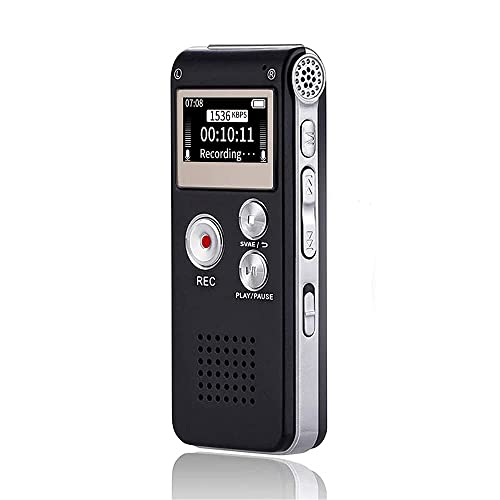
- One-button recording with simple playback controls
- DSP noise reduction and voice-activated recording
- 16GB storage with USB rechargeable battery
Best For: Users who need a tiny digital recorder for interviews and lectures
Simple Analog Field Recorder
PROSCAN Cassette Player with Microphone

- One-touch cassette recording for quick use
- Free-standing mic and external mic jack
- Automatic level control for cleaner audio
Best For: Buyers who want a basic portable cassette recorder with mic support
Classic Microcassette Dictation Choice
Olympus Pearlcorder S701 Microcassette Recorder
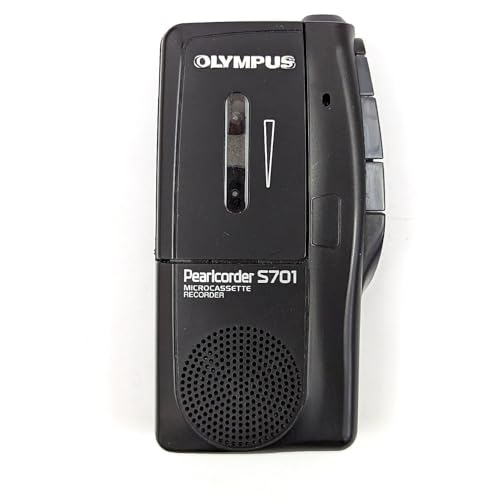
- Microcassette format with dual tape speed
- Built-in microphone for simple voice capture
- Compact 16-ounce body with AA battery power
Best For: Users who want a straightforward microcassette recorder for dictation
Everyday Basics
Coby Cassette Tape Player and Recorder

- Built-in mic for simple recording
- Plays and records cassettes
- Battery or AC powered
Best For: Simple all-in-one recording for notes, lectures, and casual interviews
Hybrid Converter
Portable Cassette Player Recorder

- Built-in mic plus lavalier mic
- Records to cassette or USB
- Converts tapes to digital files
Best For: Portable users who want recording, playback, and tape digitizing
Hands-Free Capture
Coby Cassette Tape Player & Voice Recorder
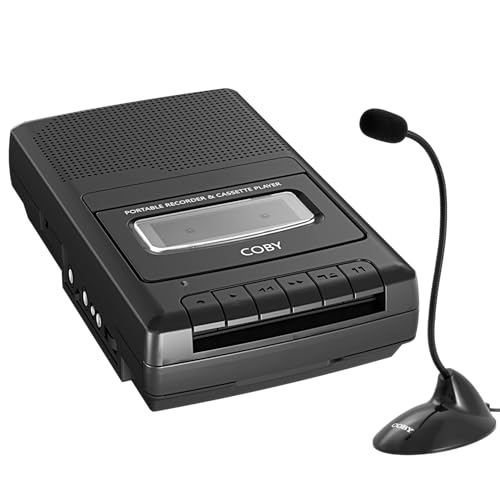
- Standing mic for hands-free recording
- Built-in speaker and headphone jack
- Battery or AC powered
Best For: Speech-focused recording in classrooms, meetings, and interviews
Compact Travel Cassette Recorder
TOMASHI Portable Cassette Player

- Small, portable body with easy-to-use controls
- Built-in mic, speaker, and headphone jack
- Automatic stop helps reduce tape wear
Best For: Simple on-the-go recording and casual tape playback
Digital Backup Cassette Recorder

- Transfers cassette audio to MP3 on USB or SD card
- Built-in mic supports recording; external mic supported
- USB-C or AA power with speaker and headphone jack
Best For: Recording and digitizing cassette audio in one device
Everyday Field Note Recorder
TOMASHI Portable Cassette Player Blue

- Compact design with simple controls
- Built-in microphone and speaker for quick use
- Automatic stop helps protect tapes
Best For: Basic field notes and portable cassette listening
Most Versatile Transfer Recorder – QFX RETRO-39BT Portable Shoebox Recorder
If you want cassette recorders for field recording with extra flexibility, the QFX RETRO-39BT is built around recording and playback in multiple formats. It can capture audio from USB to cassette, or record from cassette, Bluetooth, FM radio, mic, and line-in to USB. That makes it a practical pick when you need a portable deck that can handle old tapes, simple live capture, and digital playback in one box.
Best For: Users who want a portable cassette recorder with USB, Bluetooth, and FM options for basic field capture and transfer tasks.
Pros:
- Records from USB to cassette and from cassette, Bluetooth, FM radio, mic, or line-in to USB
- Built-in 3.5″ Bluetooth speaker with USB input and 3.5mm line-in/out support
- Portable design with swivel carrying handle and AC or 4 C battery power
- Can play MP3 files from USB and tune FM radio stations
Cons:
- Uses 4 C batteries, which are not included
- Built-in recording setup is limited to the features listed in the notes
- Speaker size is small at 3.5 inches
This is the most feature-packed option in the group, especially if you want a cassette recorder that can bridge analog and digital sources. It is less about studio-grade field work and more about versatile everyday recording, playback, and transfer.
Best Digital Voice Alternative – Sunlan 16GB Rechargeable Voice Recorder
For buyers comparing cassette recorders for field recording, this Sunlan unit is more of a compact digital voice recorder than a tape deck. It focuses on one-button recording, noise reduction, and long battery life, which can be useful for lectures, interviews, and other spoken-word capture where simple operation matters more than tape compatibility.
Best For: People who want a small, rechargeable voice recorder for clear spoken audio and easy USB file transfer.
Pros:
- One-button record, stop, and playback operation
- DSP noise reduction and sensitive microphone for clearer voice capture
- Voice-activated recording to save time and power
- 16GB storage and USB rechargeable design with removable-drive file transfer
Cons:
- Not a cassette recorder; it records to digital WAV files
- Best suited to voice rather than music or tape-based workflow
- Small 1-inch screen limits on-device viewing
This is the practical choice if your field-recording needs center on spoken audio and convenience. It is compact and straightforward, but it does not serve as a tape recorder or cassette deck replacement.
Simple Analog Field Recorder – PROSCAN Cassette Player with Microphone
PROSCAN Cassette Player & Recorder with Microphone, Headphone Jack, Aux in, Black
Check Price On AmazonIf you want cassette recorders for field recording in a straightforward, analog format, the PROSCAN cassette player and recorder keeps things simple. It offers one-touch recording, a free-standing microphone, an external mic jack, and automatic level control, making it a practical choice for interviews, classes, and conference notes without extra digital features.
Best For: Anyone who wants an easy-to-use cassette recorder with basic mic inputs for simple analog field recording.
Pros:
- One-touch recording for quick capture
- Free-standing microphone plus external microphone jack
- Automatic level control for clearer recordings
- Carry handle, headphone jack, AUX in, and AC/DC power
Cons:
- Heavier than a handheld voice recorder at 1.8 pounds
- Analog-focused design with no digital storage features listed
- Limited to the features named in the product notes
This model is a solid pick for buyers who want a basic cassette workflow and microphone support in one portable unit. It is not loaded with extras, but that simplicity can be an advantage for quick field use.
Classic Microcassette Dictation Choice – Olympus Pearlcorder S701 Microcassette Recorder
For shoppers specifically looking at cassette recorders for field recording, the Olympus Pearlcorder S701 is a microcassette recorder built around straightforward voice capture. Its dual tape speed and built-in microphone make it a compact option for note-taking, interviews, and other portable dictation tasks where microcassette format is acceptable.
Best For: Users who need a compact microcassette recorder for voice notes and basic field dictation.
Pros:
- Microcassette format with dual tape speed
- Built-in microphone for simple recording
- Compact 16-ounce design for portable use
- Uses 2 AA batteries and includes a headphone jack
Cons:
- Microcassette format is narrower in use than full-size cassette decks
- Only 17 hours of digital recording time listed
- Older-style design with no modern connectivity features mentioned
This is the most classic dictation-style option in the lineup. It is best suited to users who specifically want microcassette recording and do not need modern playback or transfer features.
Everyday Basics – Coby Cassette Tape Player and Recorder
If you want a simple option among cassette recorders for field recording, this Coby unit keeps the basics front and center. It records with a built-in mic, plays tapes back, and supports battery or AC power, which makes it a practical pick for notes, lectures, and quick voice capture.
Best For: Easy all-in-one recording and playback for casual field notes, voice memos, and simple interviews.
Pros:
- Built-in microphone keeps recording self-contained.
- Plays and records cassettes in one compact device.
- Battery or AC power adds flexibility for home or travel.
- Simple buttons and clear labels make it easy to use.
Cons:
- Limited to basic recording-focused features.
- No mention of advanced input or digitizing functions.
Overall, this is the straightforward choice if you want a no-fuss cassette recorder with microphone support and easy controls. It fits users who value simplicity over extra features.
Hybrid Converter – Portable Cassette Player Recorder
For buyers comparing cassette recorders for field recording, this voijump model stands out because it goes beyond tape-only use. It includes a built-in mic, an extra lavalier microphone, USB recording support, and tape-to-digital conversion, making it more versatile for classes, meetings, interviews, and sound capture.
Best For: Users who want cassette recording plus USB capture and tape conversion in one portable unit.
Pros:
- Built-in mic and included lavalier mic add recording flexibility.
- Records to cassette or USB for different workflows.
- Supports tape-to-digital conversion without needing a computer.
- Retractable handle makes it easier to carry.
Cons:
- Feature set is more complex than a basic tape recorder.
- Designed around conversion and playback as much as live recording.
This is the most feature-rich option in the group, especially if you want to preserve old tapes and capture new audio in more than one format. It is a good fit when portability and versatility matter.
Hands-Free Capture – Coby Cassette Tape Player & Voice Recorder
If you need cassette recorders for field recording that are better suited to spoken audio, this Coby model adds a standing microphone and built-in speaker. It is aimed at lectures, meetings, interviews, and home projects, with the option to run on batteries or AC power.
Best For: Hands-free voice recording for meetings, classrooms, lectures, and other spoken-word use.
Pros:
- Standing tabletop microphone supports hands-free recording.
- Built-in speaker makes playback easy without extra gear.
- Aux input and headphone jack add listening options.
- Battery or AC power works for both portable and stationary use.
Cons:
- More focused on voice recording than general-purpose audio capture.
- Compact retro design may not suit users wanting advanced controls.
Among these choices, this one is a strong fit if your field recording needs lean toward speech and note-taking rather than broader audio work. The tabletop mic and speaker make it convenient for quick, practical use.
Compact Travel Cassette Recorder – TOMASHI Portable Cassette Player
If you want cassette recorders for field recording in a very small, easy-to-carry package, this TOMASHI model focuses on the basics: record, play, rewind, fast-forward, and stop. It includes a built-in microphone, headphone jack, and built-in speaker, so you can capture quick audio notes and monitor playback without extra gear.
Best For: Simple on-the-go recording, language practice, and basic tape playback in a compact format.
Pros:
- Small, compact size makes it easy to carry
- Built-in microphone supports microphone recording
- Built-in speaker and headphone mode offer flexible listening
- Automatic stop helps protect tapes at the end of playback
Cons:
- Batteries and USB power are not included
- Designed for simple use rather than advanced recording features
Overall, this is a practical pick if you need a lightweight cassette recorder that is straightforward to operate and suitable for casual field notes or everyday tape use.
Digital Backup Cassette Recorder – Cassette Tape Player Recorder
For cassette recorders for field recording that also help preserve old tapes, this model stands out with cassette-to-MP3 conversion to USB or SD card. It adds a built-in microphone, support for an external microphone, and both speaker and headphone listening, making it useful when you want a compact recorder that can also digitize audio.
Best For: Recording audio and converting cassette tapes to digital files without extra devices.
Pros:
- Converts cassette audio directly to MP3 on USB or SD card
- Built-in mic plus support for an external microphone
- Built-in speaker and earphone jack for flexible listening
- Compact, lightweight design with USB-C or AA battery power
Cons:
- Best suited to straightforward recording and conversion tasks
- AA batteries are required for portable use
This is the most versatile option here if your priority is not just recording, but also backing up cassette audio in digital form for later use.
Everyday Field Note Recorder – TOMASHI Portable Cassette Player Blue
If you need cassette recorders for field recording in a compact, no-frills format, this blue TOMASHI unit offers the same practical core features: recording, playback, built-in mic, and headphone listening. Its small footprint and automatic stop function make it a simple choice for quick tape captures and portable use.
Best For: Basic field notes, casual recording, and simple cassette listening on the move.
Pros:
- Small and compact for easy portability
- Built-in microphone supports microphone recording
- Built-in speaker and headphone mode provide playback options
- Automatic stop helps protect tapes at the end
Cons:
- Power accessories are not included
- Feature set is focused on basic use rather than advanced control
This is a straightforward option for shoppers who want a portable cassette recorder that is easy to handle and covers the essentials without extra complexity.
How We Picked the Best Cassette Recorders for Field Recording
We focused on Cassette Recorders for Field Recording that balance portability, recording clarity, and simple operation. Priority went to units with usable built-in microphones, headphone jacks, external mic support where available, battery or USB power flexibility, and straightforward controls that make fast capture easier in the field.
Quick Comparison
If you want the simplest setup, choose a basic portable cassette recorder with a built-in mic and speaker. If you need better archiving, a cassette-to-MP3 model is the smarter buy. For spoken notes and interviews, voice-focused recorders and micro cassette options are usually more convenient than full-size tape decks.
Key Buying Factors for Cassette Recorders for Field Recording
Microphone and Input Options
Built-in microphones are fine for quick notes, but they can pick up more room noise. If you plan to record interviews or ambient sound, look for a recorder with mic input, voice activation, or the ability to place the unit close to the source.
Power and Portability
Field work often means long sessions away from an outlet. Battery operation is important, and USB charging can be a big advantage if you travel often. Compact models are easier to carry, but larger bodies may offer simpler controls and better handling.
Playback and Monitoring
A headphone jack is useful for checking levels and catching problems immediately. Built-in speakers are convenient, but they should be treated as a bonus rather than a replacement for proper monitoring.
Format and Workflow
Think about whether you want to stay analog or move recordings into a digital workflow. Some Cassette Recorders for Field Recording are best for direct tape use, while others can transfer audio to USB or SD card for easier editing and backup.
Who Should Buy Which Cassette Recorders for Field Recording?
If you want a straightforward tape recorder for notes, classes, or casual field capture, a basic portable cassette model will usually be enough. If you’re archiving audio or digitizing old tapes, choose a cassette-to-MP3 recorder. If your focus is interviews or speech, prioritize voice-oriented models with clear mic placement and headphone monitoring. For the most flexible setup, look for a recorder that supports both cassette use and modern power or transfer options.
In short, the best choice depends on whether you value simplicity, portability, or a bridge between analog tape and digital files.