Choosing the right studio headphones can make a bigger difference than many buyers expect, especially when you want clean monitoring from laptops, audio interfaces, mixers, or portable gear.
This roundup focuses on low impedance studio headphones that are easy to drive, practical for tracking and mixing, and well suited to home studios, project studios, and mobile setups.
Best 10 Low Impedance Studio Headphones Picks for 2026
Studio Favorite

- 38 ohm impedance suits common devices
- Closed circumaural design improves isolation
- 45 mm drivers deliver clear, accurate bass
Best For: Mixing, tracking, and day-to-day studio monitoring
Open-Back Classic

- 55 ohm impedance works with studio gear
- Semi-open tuning favors mixing and mastering
- Self-adjusting headband supports long wear
Best For: Mixing, mastering, and critical listening in the studio
Budget Monitor
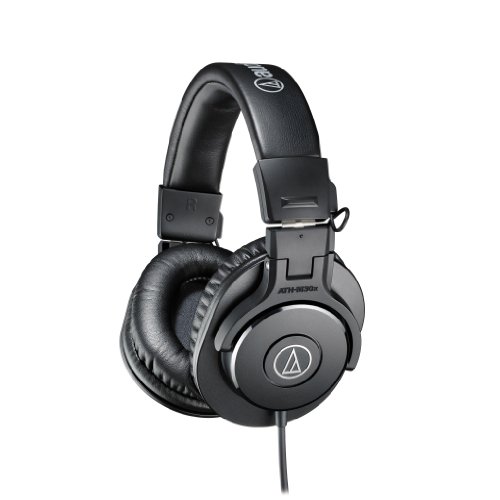
- 38 ohm impedance is easy to drive
- 40 mm drivers emphasize mid-range detail
- Collapsible build and case aid portability
Best For: Affordable tracking, mixing, and field recording
Feature-Packed Pick
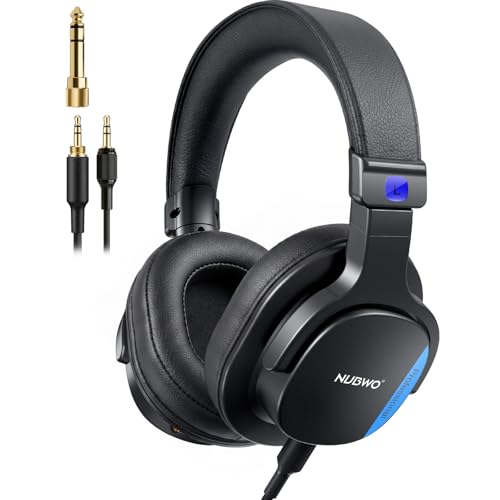
- 50 ohm Hi-Res tuning targets neutral monitoring
- 45 mm angled drivers support natural imaging
- Dual 3.5 mm ports and twist-lock add flexibility
Best For: Home studios, DJs, and multi-gear monitoring
Budget Studio Starter
Audio-Technica ATH-M20x Professional Studio Monitor Headphones

- 47-ohm impedance for easy wired use
- 40 mm drivers tuned for low frequencies
- Over-ear design helps isolate in loud spaces
Best For: Entry-level tracking and home mixing
DJ-Friendly Monitor Pick
OneOdio Wired DJ Hi-Res Over-Ear Headphones

- 32-ohm impedance for easy wired driving
- 50 mm drivers with strong bass and clear vocals
- Swiveling cups and dual jacks for studio use
Best For: DJ monitoring and wired recording setups
Low-Impedance Studio Upgrade
iCON Pro Audio HP-160 Closed-Back Studio Headphones

- 32-ohm low-impedance design for direct connection
- 50 mm drivers with 10Hz-30kHz range
- Closed-back build for isolation and low leakage
Best For: Mixing and vocal tracking without an amp
Best with Extra Features
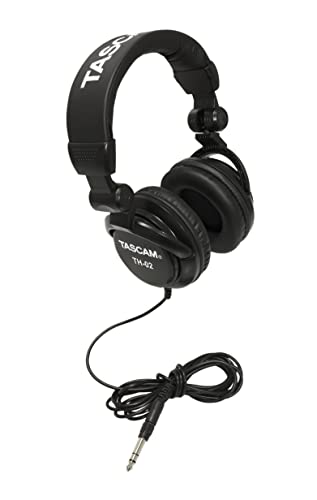
- 32 ohm impedance for easy drive
- Closed-back over-ear design
- Foldable with padded comfort
Best For: Entry-level recording and everyday monitoring
Wired Mixing Performer

- 32 ohm design with Hi-Res sound
- 3.5 mm and 6.35 mm plugs included
- Swiveling cups for single-ear monitoring
Best For: Mixing, DJing, and wired studio setups
Wireless Hybrid Workhorse

- 32 ohm hybrid wired/wireless design
- Up to 72 hours of wireless playtime
- Includes both common wired cable types
Best For: Flexible studio use with wireless and wired modes
Studio Favorite – Audio-Technica ATH-M50x
For buyers comparing low impedance studio headphones, the Audio-Technica ATH-M50x is a dependable monitoring option with a 38 ohm design that works well from common pro audio gear and everyday devices. It delivers the kind of clear, extended response that helps with tracking, mixing, and general studio evaluation, while the closed circumaural build adds useful isolation in louder spaces.
Best For: Mixing, tracking, and engineers who want a proven low-impedance closed-back monitor.
Pros:
- 38 ohm impedance for broad compatibility with laptops, tablets, desktops, and cell phones
- 45 mm drivers with deep, accurate bass and extended frequency response
- Circumaural closed-back design helps with sound isolation
- Swiveling earcups and detachable cable add studio convenience
Cons:
- Single-ended studio tuning may feel more analytical than casual listeners prefer
- Wired-only design limits mobility
The ATH-M50x is a strong all-around choice if you want a low impedance studio headphone that balances isolation, clarity, and everyday practicality. It is especially appealing when you need one pair for monitoring across multiple devices and session types.
Open-Back Classic – AKG K240 STUDIO
The AKG K240 STUDIO is a long-running pick in low impedance studio headphones for users who want an open, spacious presentation for mixing, mastering, and playback. Its 55 ohm impedance keeps it in a workable range for studio gear, while the semi-open design and Varimotion diaphragms are aimed at clear highs and a wide dynamic feel.
Best For: Mix engineers, podcasters, and listeners who prefer a semi-open studio reference.
Pros:
- 55 ohm impedance is still practical for many studio setups
- 30 mm XXL transducers with Varimotion diaphragms provide clear highs and solid bass
- Self-adjusting headband supports long sessions
- Includes 1/8″ connector, 1/4″ adapter, and 3 m cable
Cons:
- Semi-open design offers less isolation than closed-back alternatives
- Best suited to studio environments rather than noisy portable use
If your priority is accurate monitoring over isolation, the K240 STUDIO remains an easy recommendation. It is a sensible low impedance studio headphone for sessions where comfort and an open soundstage matter more than blocking outside noise.
Budget Monitor – Audio-Technica ATH-M30x
The Audio-Technica ATH-M30x is a practical entry point if you want low impedance studio headphones without moving up to a more expensive flagship model. With 38 ohm impedance, 40 mm drivers, and a tuning focused on mid-range detail, it is built for tracking, mixing, and field recording where clear monitoring matters.
Best For: Budget-conscious producers and engineers needing a straightforward closed-back monitor.
Pros:
- 38 ohm impedance makes it easy to drive from studio and portable sources
- 40 mm drivers are tuned for enhanced detail and strong mid-range definition
- Circumaural design helps with sound isolation
- Collapsible design and carrying case improve portability
Cons:
- Frequency response is more limited than higher-end studio models
- Less feature-rich than the ATH-M50x
The ATH-M30x is a sensible buy when you need reliable monitoring on a smaller budget. It is not the most expansive option in the lineup, but it covers the core needs of a low impedance studio headphone well.
Feature-Packed Pick – NUBWO HD01 Studio Headphones
The NUBWO HD01 is a versatile choice in low impedance studio headphones for users who want neutral monitoring plus extra connectivity options. Its 50 ohm design, 20 Hz to 40 kHz response, and 45 mm angled drivers are aimed at accurate playback for recording, DJ work, and instrument practice.
Best For: Home studios, DJs, and musicians who need flexible wired monitoring.
Pros:
- 50 ohm impedance and Hi-Res certification suit monitoring-focused use
- 45 mm angled drivers are designed for natural spatial imaging
- Dual 3.5 mm ports and twist-lock design add connection flexibility
- Lightweight build with memory foam earpads and rotating earcups supports long sessions
Cons:
- Closed-back sound-isolating design may not appeal to users who prefer an open presentation
- Extra features can be more than some simple studio buyers need
The HD01 stands out when flexibility matters as much as sound quality. It is a practical low impedance studio headphone for users who move between mixers, amps, pianos, and podcast setups and want one wired set that can do a lot.
Budget Studio Starter – Audio-Technica ATH-M20x Professional Studio Monitor Headphones
If you want low impedance studio headphones for tracking and everyday mixing, the ATH-M20x is a straightforward wired option with a 47-ohm design and 40 mm drivers. It is tuned for enhanced low-frequency performance, while the circumaural fit helps with isolation in loud rooms.
Best For: Entry-level studio tracking, home mixing, and users who want a simple wired monitor headphone.
Pros:
- 47-ohm impedance suits direct use with common devices and studio gear.
- 40 mm drivers with rare earth magnets and CCAW voice coils.
- Tuned for enhanced low-frequency performance for monitoring bass detail.
- Circumaural, over-ear design improves sound isolation.
Cons:
- Single-side cable is wired only, so there is no wireless mode.
- Basic studio-focused design may feel less feature-rich than pricier models.
This is a practical pick if you need affordable studio headphones that stay simple and focused on monitoring. It is best suited to users who value isolation and a reliable wired connection over extra features.
DJ-Friendly Monitor Pick – OneOdio Wired DJ Hi-Res Over-Ear Headphones
For low impedance studio headphones that can also handle DJ-style monitoring, the OneOdio Pro-10 brings 32-ohm drivers, large 50 mm speakers, and wired compatibility with common studio and consumer gear. The swiveling ear cups and padded cushions make it practical for long sessions.
Best For: DJ monitoring, recording sessions, podcasting, and users who need easy wired compatibility.
Pros:
- 32-ohm impedance makes it easy to drive in wired setups.
- 50 mm drivers aim for powerful bass, clear vocals, and crisp highs.
- 90° swiveling ear cups support single-ear monitoring.
- Dual 3.5 mm and 6.35 mm jack support broad device compatibility.
Cons:
- Wired-only design means no Bluetooth option.
- Large, DJ-oriented build may be more than some casual listeners need.
This model stands out if you want a flexible wired headphone for monitoring and DJ workflows without needing an amp. It balances comfort, connectivity, and strong driver size for studio-style use.
Low-Impedance Studio Upgrade – iCON Pro Audio HP-160 Closed-Back Studio Headphones
The iCON Pro Audio HP-160 is built for users who specifically want low impedance studio headphones, with a 32-ohm design that can run directly from a smartphone, laptop, tablet, or audio interface. Its closed-back construction and 50 mm drivers are aimed at private, detailed monitoring.
Best For: Mixing, vocal tracking, and studio monitoring without needing an external amp.
Pros:
- 32-ohm low impedance design works directly from common devices.
- 50 mm dynamic drivers cover a wide 10Hz-30kHz range.
- Closed-back sealing helps block ambient noise and reduce leakage.
- Memory foam cushions and self-adjusting headband support long sessions.
Cons:
- The details list an impedance of 140 ohm, which conflicts with the 32-ohm positioning.
- Open-ear placement in the details conflicts with the closed-back description.
Based on the product notes, this is the most direct match for buyers seeking low-impedance studio headphones with modern connectivity and isolation. Just note the conflicting spec fields in the supplied details before buying.
Best with Extra Features – TASCAM TH-02
If you want low impedance studio headphones for basic recording, podcasting, or casual DJ use, the TASCAM TH-02 keeps things simple and practical. Its 32 ohm design works with common 3.5 mm or 1/4 inch connections, and the closed-back build is tuned for clean sound with rich bass and crisp highs.
Best For: Entry-level monitoring, portable use, and anyone who wants an affordable wired studio headphone with easy connectivity.
Pros:
- 32 ohm impedance for easy drive with everyday audio gear
- Closed-back, over-ear design with passive noise cancellation
- 50 mm dynamic drivers for clean sound, rich bass, and crisp highs
- Foldable build and padded headband/ear pads for easier transport and comfort
Cons:
- Wired only, so there is no wireless option
- Plastic enclosure may feel less premium than higher-end studio models
- Passive isolation only, not active noise cancelling
The TH-02 is a straightforward pick when you need low impedance studio headphones without extra features or complexity. It focuses on dependable wired monitoring, compact folding convenience, and a sound profile that suits general studio tasks.
Wired Mixing Performer – OneOdio A71
The OneOdio A71 is a strong option if you want low impedance studio headphones built for mixing, DJ work, and monitoring across different devices. With 32 ohm impedance, 40 mm drivers, and both 3.5 mm and 6.35 mm plugs included, it is set up for practical studio use without needing an adapter.
Best For: Mixing, DJ monitoring, and multi-device wired listening where comfort and easy plug compatibility matter.
Pros:
- 32 ohm impedance for easy pairing with common studio and consumer gear
- 40 mm drivers with Hi-Res sound quality for clear detail and depth
- Includes both 3.5 mm and 6.35 mm plugs, plus a long coiled cord
- 90-degree swiveling earcups support single-ear monitoring
Cons:
- Wired design only, so no Bluetooth option
- Plastic construction may not feel as rugged as metal-heavy models
- Sound isolation is passive rather than active
For buyers comparing low impedance studio headphones, the A71 stands out for versatility and monitoring-friendly hardware. It is a good fit when you need a comfortable wired headphone that can move easily between a computer, amp, keyboard, or music production setup.
Wireless Hybrid Workhorse – OneOdio A70
If you want low impedance studio headphones with both wireless convenience and wired monitoring, the OneOdio A70 is the most flexible pick here. It uses 32 ohm impedance, 40 mm drivers, and a hybrid wired/wireless design, so you can move from Bluetooth listening to studio-style cable use without changing headphones.
Best For: Users who want a studio-capable headphone for monitoring, sharing audio, and switching between wireless and wired modes.
Pros:
- 32 ohm impedance and 40 mm neodymium drivers for powerful, detailed sound
- Hybrid wired/wireless design with up to 72 hours of wireless playtime
- Includes 3.5 mm to 6.35 mm and 3.5 mm to 3.5 mm cables for wired use
- Foldable, rotatable over-ear design with sound isolation and comfy padding
Cons:
- Bulkier hybrid design may be more than some users need for pure studio work
- Wireless features are not essential if you only want a simple wired monitor
- Passive sound isolation only, not active noise cancellation
The A70 is the most versatile of the three if your workflow mixes studio monitoring, calls, and casual listening. It works well for buyers who want low impedance studio headphones that can do both wired and Bluetooth duties.
How We Picked the Best Low Impedance Studio Headphones
We focused on Low Impedance Studio Headphones that balance driveability, comfort, build quality, and monitoring usefulness. The goal was to prioritize models that work well from common studio sources without demanding a strong external amplifier. We also considered whether each pair fits typical recording, editing, DJ, and mixing workflows.
Quick Comparison
Among Low Impedance Studio Headphones, the biggest differences usually come down to tuning, isolation, comfort, and connector options. Closed-back models generally suit tracking and noise control, while semi-open designs can be better for more natural spatial cues during mixing. Some pairs lean toward punchier bass and casual listening, while others aim for flatter response and more analytical monitoring.
Key Buying Factors for Low Impedance Studio Headphones
Impedance and Source Compatibility
Low impedance does not automatically mean better sound, but it does usually mean easier volume from phones, interfaces, laptops, and controllers. For most buyers, that matters more than raw impedance alone. Look for a pair that reaches usable levels without distortion on the gear you already own.
Closed-Back Vs. Semi-Open
Closed-back designs are typically better for recording vocals or instruments because they reduce sound leakage. Semi-open headphones can feel more spacious and can be useful for mixing, but they may leak more sound into microphones. Choose based on your main use case rather than assuming one style is universally superior.
Comfort and Fit
Long sessions expose weak headbands, shallow earcups, and overly tight clamping force. If you plan to wear them for editing or mixing, prioritize padding, weight, and adjustable fit. Comfort is especially important in Low Impedance Studio Headphones because they are often used for extended work sessions with modest volume levels.
Cable and Connector Setup
Detachable cables, included adapters, and dual-jack compatibility can make a headset much easier to integrate into a studio. If you move between interface, keyboard, mixer, and portable gear, a flexible cable setup is worth paying attention to.
Who Should Buy Which Low Impedance Studio Headphones?
If you want a reliable all-rounder for recording and everyday monitoring, choose a balanced closed-back model with proven durability. If your priority is mixing and a more open presentation, a semi-open option may be the better fit. Beginners usually benefit from headphones that are easy to drive and forgiving in daily use, while more experienced users may prefer a flatter, more revealing sound signature.
For home studios, podcasting, and budget-conscious setups, the best Low Impedance Studio Headphones are the ones that combine clear monitoring, sensible comfort, and straightforward compatibility with your existing gear.