The right preamp can make a home recording setup quieter, more flexible, and easier to use. These 10 picks cover compact gain boosters, tube designs, channel strips, and feature-rich studio units for microphones and instruments.
Use the guide below to compare gain, noise performance, phantom-power needs, controls, and compatibility before choosing the best fit for your room, interface, and recording style.
Best 10 Microphone Preamps for Home Studios Picks for 2026
Best All-in-One Channel Strip

- Preamp with four integrated processors
- XLR and 1/4-inch inputs
- Rack-mountable with loop-out and metering
Best For: Home studios needing vocal and instrument processing in one unit
Best Tube-Voicing Value
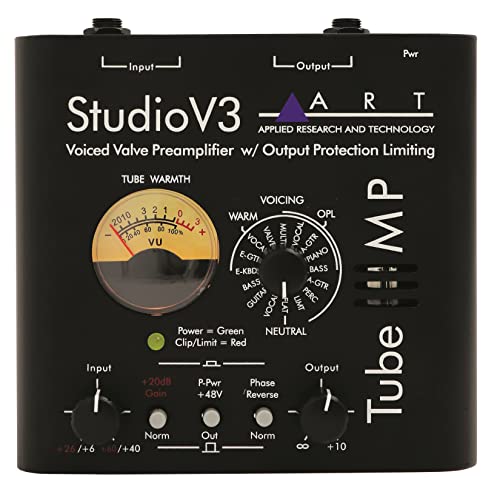
- Single-channel tube preamp
- Variable valve voicing
- Works with vocals and many instruments
Best For: Compact home studios wanting tube-style preamp voicing
Best Clean Gain Booster

- Adds up to +25 dB of microphone gain
- Designed for passive microphones and ribbons
- Powered by standard +48V phantom power
Best For: Quiet passive mics connected to a phantom-powered preamp
Best Budget Hybrid Preamp

- Compact single-channel hybrid design
- All-aluminum stackable chassis
- Cost-effective microphone preamp
Best For: Budget-conscious home studios with basic preamp needs
Dynamic Mic Gain Booster

- Adds 29 dB of gain for dynamic and ribbon mics
- Compact metal XLR plug-in design
- Requires 48V phantom power; not for condensers
Best For: Home studios with low-output dynamic or ribbon microphones
Tube Character Preamp

- Tube design with a warm sound profile
- Variable impedance and valve voicing controls
- Supports microphone and instrument preamp modes
Best For: Home studios seeking adjustable tube coloration
Flexible Low-Noise Preamp

- 0–72 dB adjustable gain with stated -120 dBV EIN
- Separate microphone and Hi-Z instrument inputs
- USB-C, power-bank support, and 48V phantom power
Best For: Versatile desktop, mobile, and home-studio recording setups
Coda MB-1 Booster

- Adds 25dB of gain
- -70dB noise rating
- Requires 48V phantom power
Best For: Dynamic and ribbon microphones
RO03 Advanced Preamp

- 19–66dB variable gain
- -120dBV EIN specification
- Mic and 1MΩ instrument inputs
Best For: Versatile home recording setups
Compact 48V Preamp

- Provides 20dB of gain
- Built-in 48V power
- Compact balanced design
Best For: Simple home studio and streaming rigs
Best All-in-One Channel Strip – dbx 286s
For home studios that need more than basic gain, the dbx 286s combines a microphone preamp with compression, de-essing, enhancement, and an expander/gate. Its rack-mountable design and flexible inputs make it a practical centerpiece for vocal, instrument, and voiceover recording.
Best For: Home-studio users who want microphone preamp gain plus integrated dynamics and tone processing.
Pros:
- Combines compression, de-essing, enhancer, and expander/gate in one unit.
- Accepts XLR microphone and 1/4-inch line-level sources.
- Loop-out, insert connectivity, metering LEDs, and 1U rack mounting add flexibility.
Cons:
- Its single-channel design limits simultaneous processing to one channel.
- The larger rack-style format may be more than a simple desktop setup needs.
The 286s is a strong choice when you want a complete front-end processing chain rather than a preamp alone. It is especially useful for shaping vocals before they reach an interface or mixer.
Best Tube-Voicing Value – ART Tube MP Studio V3
The ART Tube MP Studio V3 is a compact single-channel tube microphone preamp for home studios recording vocals, guitars, keyboards, bass, drums, and other compatible sources. Its variable valve voicing provides a way to tailor the preamp’s tube character to different recording situations.
Best For: Home-studio recordists seeking a compact tube preamp for vocals and instruments.
Pros:
- Single-channel tube design with variable valve voicing.
- Compatible with a broad range of vocal and instrument sources.
- Metal enclosure and compact dimensions suit smaller setups.
Cons:
- Provides only one channel.
- The supplied notes do not specify additional processing, metering, or connectivity beyond the listed XLR connection.
Choose the Tube MP Studio V3 if tube-based voicing is more important to you than an all-in-one channel strip. Its focused design keeps the setup straightforward while accommodating several common studio sources.
Best Clean Gain Booster – Cloudlifter CL-1
The Cloudlifter CL-1 is a microphone activator designed to add up to 25 dB of gain to quiet passive microphones before the signal reaches your existing preamp. For home studios, podcasts, and voiceover setups, it can strengthen low-output sources while preserving the microphone’s natural sound.
Best For: Users with passive microphones and phantom-powered inputs who need additional clean signal strength.
Pros:
- Adds up to +25 dB of gain using phantom power.
- Does not pass phantom power on to passive microphones, including passive ribbons.
- Compact XLR design fits studio, streaming, podcasting, and live applications.
Cons:
- It is a gain activator, not a complete standalone preamp or channel strip.
- Requires a standard microphone input with +48V phantom power.
The CL-1 makes sense when your current preamp works but lacks sufficient clean gain. It should be viewed as an upgrade accessory for an existing phantom-powered signal path, not a replacement for that path.
Best Budget Hybrid Preamp – ART Tube MP Project Series
The ART Tube MP Project Series is a compact, cost-effective single-channel microphone preamp for straightforward home-studio recording. Its hybrid design and all-aluminum stackable chassis make it a practical option when space and budget are important considerations.
Best For: Beginners and compact home studios seeking an affordable single-channel microphone preamp.
Pros:
- Hybrid design offers a focused preamp solution.
- Compact, reliable, and stackable all-aluminum chassis.
- Designed as a cost-effective option for microphone and computer-based setups.
Cons:
- Single-channel operation limits multi-microphone recording.
- The supplied notes do not list built-in compression, de-essing, or other channel-strip processing.
The Tube MP Project Series is a sensible starting point for a simple recording chain. It prioritizes compact construction and affordability, making it better suited to basic setups than users seeking extensive onboard processing.
Dynamic Mic Gain Booster – StudioMan DPM1
For home studios using low-output dynamic or ribbon microphones, the StudioMan DPM1 is a simple way to add gain before pushing an interface preamp too hard. It provides 29 dB of stated gain in a compact XLR adapter, but it requires 48V phantom power from the connected interface or mixer and is not intended for condenser microphones.
Best For: Home-studio, podcast, and streaming setups using dynamic or ribbon microphones with a 48V-equipped interface or mixer.
Pros:
- Adds 29 dB of gain for low-output dynamic and ribbon microphones.
- Compact plug-and-play XLR design with a rugged metal casing.
- Designed to improve signal-to-noise performance before the interface input.
Cons:
- Not suitable for condenser microphones.
- Requires 48V phantom power, which is not included.
- Provides less flexibility than a full-featured adjustable preamp.
The DPM1 is a focused, affordable upgrade when your main issue is insufficient gain from a dynamic or ribbon mic. Confirm that your interface supplies phantom power before choosing it.
Tube Character Preamp – ART TPS II Tube Preamplifier
The ART TPS II is a rack-style tube preamplifier system for home studios that want more than basic clean gain. Its tube-based design, variable input impedance, and Variable Valve Voicing provide a way to shape the sound, while the unit can automatically switch between instrument and microphone preamp modes.
Best For: Home-studio users who want warm tube coloration, flexible impedance control, and microphone or instrument preamp functionality.
Pros:
- Tube amplifier design with a stated warm sound profile.
- Variable input impedance and Variable Valve Voicing support tonal adjustment.
- Works as either an instrument or microphone preamp.
- Includes input and analog output metering plus output protection limiting.
Cons:
- Its rack-style form factor is less compact than a simple inline booster.
- Tube coloration may not suit users seeking strictly transparent gain.
- The supplied details do not specify phantom-power availability.
The TPS II is a better fit for producers choosing microphone preamps for home studios based on tone-shaping options rather than minimal size. It is especially appealing if you also record guitar or other instruments.
Flexible Low-Noise Preamp – RO-04 Mic Preamp
The RO-04 is a versatile choice among microphone preamps for home studios, offering up to 72 dB of adjustable gain and a stated -120 dBV EIN. Separate microphone and instrument inputs, 48V phantom power, and multiple output levels make it suitable for desktop recording, streaming, and portable setups.
Best For: Home-studio creators who need quiet adjustable gain for microphones and instruments, with desktop, mobile, or power-bank operation.
Pros:
- Wide 0–72 dB gain range for low-output and higher-output sources.
- Separate mic and Hi-Z instrument inputs with dedicated impedance designs.
- Includes 48V phantom power, high-pass filtering, and phase controls.
- USB-C and power-bank support improve portability.
Cons:
- More controls and connections may be unnecessary for a simple one-microphone setup.
- At 2.42 pounds, it is less lightweight than a basic inline preamp.
- The supplied details do not identify the included cables or power accessories.
The RO-04 offers the broadest source and setup flexibility in this group. Choose it when clean adjustable gain, instrument compatibility, and mobile-friendly power matter more than the smallest possible footprint.
Coda MB-1 Booster – Clean Gain for Dynamic Mics
For home studios seeking microphone preamps for home studios, the Coda MB-1 is a focused option for adding gain to quiet dynamic and ribbon microphones. It delivers up to 25dB of gain and is designed to preserve the microphone’s natural sound for vocals, podcasting, broadcasts, and live use.
Best For: Dynamic or ribbon microphones connected to an interface or mixer that can supply 48V phantom power.
Pros:
- Adds up to 25dB of clean gain.
- Designed with a -70dB noise rating.
- Aluminum construction suits studio and stage use.
- Useful for podcasts, streaming, broadcast, and recording.
Cons:
- Requires 48V phantom power from an interface or external supply.
- Does not work with condenser microphones.
- Provides one channel.
The MB-1 makes the most sense when a quiet dynamic or ribbon mic needs additional clean gain. Check your microphone type and phantom-power setup before buying.
RO03 Advanced Preamp – Flexible Low-Noise Gain
The RO03 stands out among microphone preamps for home studios by supporting dynamic, condenser, and ribbon microphones along with instruments. Its 19–66dB variable gain, Type-C power input, and multiple output formats make it a versatile choice for recording and portable setups.
Best For: Home recordists who need adjustable gain for microphones or instruments and want XLR, TRS, and TS output options.
Pros:
- Offers a practical 19–66dB gain range.
- Specified with -120dBV EIN and a low-noise design.
- Supports dynamic, condenser, and ribbon microphones.
- Features a 1MΩ instrument input and Type-C power.
Cons:
- The two input ports cannot be used simultaneously.
- For lowest noise, the manufacturer recommends connecting to an interface’s TRS line input.
- Correct cables and connection choices are important for optimal results.
With broad microphone compatibility and instrument input support, the RO03 is the most adaptable option here. Its connection guidance is worth following if minimizing noise is a priority.
Compact 48V Preamp – Simple Mic Boosting
This compact unit is a straightforward choice for microphone preamps for home studios, adding 20dB of balanced, transparent gain to dynamic and condenser microphones. Its built-in 48V power, small footprint, and XLR output suit basic recording, podcasting, and live-streaming rigs.
Best For: Users wanting a small, simple booster with built-in 48V power for dynamic or condenser microphones.
Pros:
- Provides 20dB of clean, transparent gain.
- Built-in 48V power supports dynamic and condenser microphones.
- Fully balanced circuit is designed for low noise.
- Compact metal case is portable and helps reduce EMC interference.
Cons:
- Offers a single XLR output.
- Provides less gain than the RO03’s maximum 66dB.
- The supplied notes do not specify additional input or output flexibility.
This preamp is best suited to a simple, space-conscious setup rather than a multi-connection recording chain. Its built-in 48V power removes the need for a separate phantom-power source.
How We Picked the Best Microphone Preamps for Home Studios
We focused on the practical needs of home recording: adequate clean gain, low operating noise, useful connectivity, and controls that are easy to understand. The selection includes standalone preamps, inline activators, tube units, channel strips, and compact adapters so different microphones and budgets are represented.
We also considered whether each model suits dynamic, condenser, ribbon, or instrument sources; whether it requires phantom power; and how easily it can fit into an existing audio-interface signal chain. Specifications and features should always be confirmed before purchase, especially for gain range, output format, and power requirements.
Quick Comparison
| Type | Best For | What to Look For |
|---|---|---|
| Inline booster | Low-output dynamic and passive ribbon microphones | Clean gain and phantom-power compatibility |
| Tube preamp | Warmth, saturation, and tonal shaping | Tube control, headroom, and output level |
| Channel strip | Vocal processing during tracking | Compression, de-essing, gating, and enhancement |
| Compact standalone preamp | Simple home-studio upgrades | Gain range, noise floor, input/output connectors, and size |
Key Buying Factors for Microphone Preamps for Home Studios
Gain and Microphone Compatibility
Dynamic and passive ribbon microphones often need more gain than condensers. If your interface becomes noisy at high gain, an inline booster can provide extra level before the interface preamp. Confirm that the unit offers enough gain without overloading the next device in the chain.
Noise, Headroom, and Sound Character
Low equivalent input noise matters for quiet sources and high-gain recording. Also check headroom and maximum output level, since a preamp can be quiet yet still clip a downstream input. Tube models may add warmth or saturation, while solid-state designs are typically chosen for cleaner, more neutral gain.
Phantom Power and Signal Routing
Condenser microphones generally require 48V phantom power, while passive ribbon microphones should be used carefully with phantom power unless the manufacturer confirms it is safe. Inline boosters usually depend on phantom power from an interface or mixer, so verify the complete signal path before connecting equipment.
Controls and Workflow
For straightforward recording, gain and output controls may be enough. Vocalists and podcasters may benefit from compression, de-essing, filtering, or a gate. Choose features you will actually use; extra processing can complicate gain staging and make later mixing less flexible.
Who Should Buy Which Microphone Preamps for Home Studios?
- Choose an inline booster if a dynamic or passive ribbon microphone is too quiet for your interface.
- Choose a tube preamp if you want adjustable warmth, harmonic color, or a more characterful vocal and instrument chain.
- Choose a channel strip if you want compression, de-essing, gating, and tone shaping while tracking vocals or speech.
- Choose a clean standalone preamp if your priority is dependable gain, low noise, and a simple upgrade path.
- Choose a feature-rich unit if you record several source types and want instrument input, filtering, phase control, or flexible routing.
Before buying, check connector types, phantom-power behavior, available rack or desk space, and whether your interface has a line input or requires bypassing its built-in microphone preamp. The best Microphone Preamps for Home Studios are the ones that solve your specific gain or workflow problem without adding unnecessary complexity.