If you want cleaner audio and more flexible recording setups, a recorder with external microphone input is one of the smartest upgrades you can make. It gives you more control over mic quality, guest interviews, and on-the-go recording.
In this roundup, we focus on practical options for solo creators, interviewers, and small podcast teams looking for dependable podcast recorders with external microphone input in 2026.
Best 10 Podcast Recorders with External Microphone Input Picks for 2026
Portable Podcast Hub
Zoom PodTrak P4 Podcast Recorder

- 4 XLR mic inputs with phantom power
- Automatic mix-minus for remote interviews
- 4 headphone outputs with individual volume control
Best For: Small podcast teams and remote interview setups
Versatile Handheld Choice

- Two XLR/TRS inputs for external mics or gear
- Built-in stereo mics for fast grab-and-go recording
- USB-C plus SD card backup support
Best For: Podcasters who want a flexible handheld recorder
Budget Voice Recorder
EVIDA 128GB Digital Voice Recorder
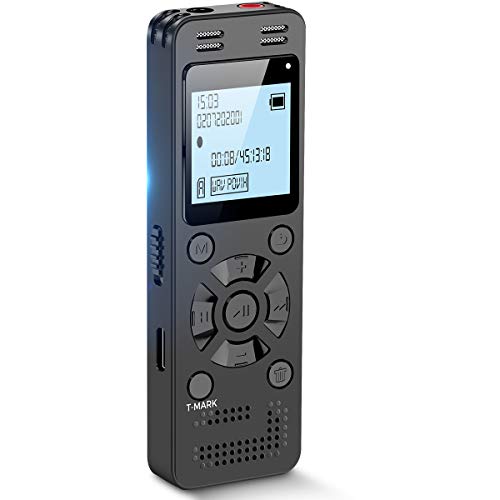
- 128GB storage for long sessions
- Voice-activated recording reduces dead air
- Up to 54 hours of continuous recording
Best For: Budget buyers needing a simple speech recorder
Compact XLR Recorder
Zoom H1 XLR 2-Channel Recorder

- Two locking XLR/TRS inputs for external mics
- 3.5mm in/out adds extra connection flexibility
- 32-bit/96kHz recording with waveform display
Best For: Solo hosts and two-person interview setups
Portable Voice Recorder
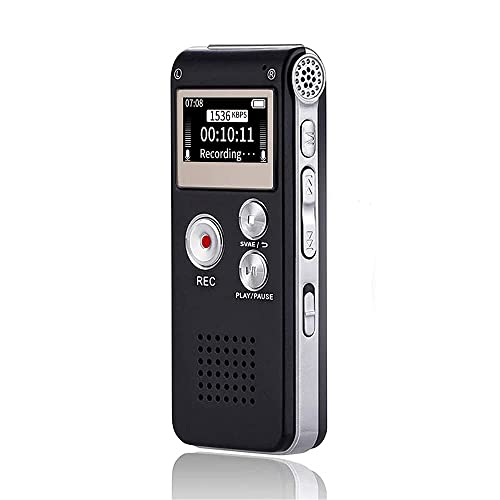
- One-button recording and playback
- Noise reduction with voice-activated mode
- USB file transfer and 30-hour recording time
Best For: Basic recording, lectures, and simple portable voice capture
Field Recorder with XLR Inputs
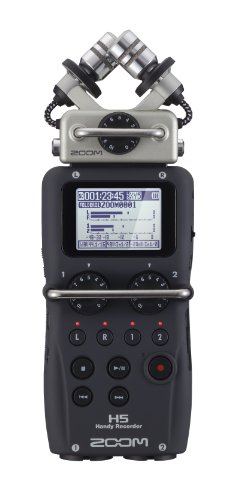
- Two XLR/TRS combo inputs with phantom power
- Four-track recording plus detachable X/Y capsule
- USB audio interface for PC, Mac, and iPad
Best For: Podcasters and creators needing external mic inputs and multitrack recording
Podcast Bundle Recorder

- Four XLR mic inputs for multi-host podcasts
- Individual headphone outputs with volume control
- Mix-minus, sound pads, and separate-track recording
Best For: Multi-host podcasting and remote interviews with a bundled starter kit
Portable Stereo Creator Recorder
Zoom H1 Essential for portable podcast and voice recording

- 32-bit float X/Y stereo recording
- USB-C microphone mode for calls and podcasts
- Compact recorder for travel and content creation
Best For: Solo podcasters and creators who want a portable recorder that doubles as a USB microphone
Multi-Input Podcast Hub
Zoom PodTrak P4 multitrack recorder bundle for podcasts

- Four XLR mic inputs for multi-host recording
- Individual headphone outputs and input controls
- Bundle includes mics, cables, stands, and storage
Best For: Podcasters who need multiple external mic inputs and a ready-to-use bundle
High-Dynamic Portable Recorder
Xvive XV1-R compact 32-bit float stereo recorder

- 32-bit float stereo recording with X/Y mics
- USB-C microphone mode for devices and streaming
- Up to 12 hours of battery life and recording time
Best For: Creators who want a lightweight recorder for podcasts, music, and mobile recording
Portable Podcast Hub – Zoom PodTrak P4 Podcast Recorder
If you want podcast recorders with external microphone input for multi-person shows, the Zoom PodTrak P4 is built around that use case. It gives you four XLR mic inputs with phantom power, plus phone and USB paths for remote interviews, so it works well when your setup needs both local mics and call-ins.
Best For: Small podcast teams, remote interview setups, and creators who want four mic channels in one compact recorder.
Pros:
- Four XLR microphone inputs with phantom power for a full table setup
- Automatic mix-minus supports call-in interviews over TRRS or USB
- Four headphone outputs with individual volume control
- Sound pads and multi-track recording add production flexibility
Cons:
- Battery life is limited to about 3.5 hours on two AA batteries
- Best suited to podcasting rather than broader field-recording tasks
The PodTrak P4 is a practical pick if your priority is easy mic expansion and remote guest support. It keeps the podcast workflow focused, with enough inputs and monitoring to handle a small roundtable cleanly.
Versatile Handheld Choice – Zoom H4 Essential Recorder
The Zoom H4 Essential is a strong option in podcast recorders with external microphone input when you need flexibility beyond a basic voice recorder. It combines built-in stereo mics with two XLR/TRS inputs, so you can plug in external mics or connect to a mixer for interviews, video audio, or other creator work.
Best For: Podcasters and creators who want a handheld recorder that can handle external mics, interviews, and backup recording to SD.
Pros:
- Two XLR/TRS inputs let you connect external mics or gear
- Built-in stereo microphones add quick recording convenience
- USB-C recording and streaming support for phones, tablets, or computers
- Saves directly to SD card for an extra backup copy
Cons:
- Only two external input channels, so it is not ideal for larger roundtable podcasts
- Requires two AA batteries for portable use
This recorder fits creators who want a compact device that can move from podcasts to video audio without much setup. The two external inputs and USB-C workflow make it versatile while staying straightforward to use.
Budget Voice Recorder – EVIDA 128GB Digital Voice Recorder
If you are comparing podcast recorders with external microphone input and want the simplest budget-friendly route, the EVIDA is more of a basic voice recorder than a full podcast deck. It focuses on onboard recording, voice activation, and long storage time, which can be useful for interviews, notes, and spoken-word capture.
Best For: Students, interview note-takers, and budget buyers who need a compact voice recorder rather than a multi-mic podcast machine.
Pros:
- 128GB storage supports long recording sessions
- Voice-activated recording helps reduce blank sections
- PCM recording up to 1536Kbps for higher-quality sound
- Long battery life rated up to 54 hours of continuous recording
Cons:
- No headphone jack for direct monitoring
- Built-in mic design is less suited to external-mic podcast setups
- More limited as a podcast production tool than XLR-based recorders
This model makes sense when portability and storage matter more than podcast-specific inputs. It is best viewed as a straightforward recorder for speech capture, not a full-featured show controller.
Compact XLR Recorder – Zoom H1 XLR 2-Channel Recorder
The Zoom H1 XLR fits well for podcast recorders with external microphone input when you want a small unit that still gives you real input flexibility. With two XLR/TRS combo inputs, a 3.5mm stereo input, and headphone output, it supports simple interview setups without a lot of bulk.
Best For: Solo hosts, two-person interviews, and creators who want a lightweight recorder with external mic support.
Pros:
- Two locking XLR/TRS combo inputs for external microphones
- 3.5mm stereo input and headphone output add extra flexibility
- 32-bit/96kHz recording supports clear, detailed audio
- OLED waveform display helps monitor levels at a glance
Cons:
- Only two primary external input channels
- Requires two AA batteries
- Smaller screen may be less spacious than larger recorders
This is a smart pick if you value portability but still need proper external mic connections. It balances a compact footprint with enough input options for straightforward podcast and interview work.
Portable Voice Recorder – Simple 16GB Dictaphone
If you want a straightforward option among podcast recorders with external microphone input, this 16GB voice recorder is really about simple capture and easy playback. It has one-button recording, a built-in microphone, noise reduction, voice-activated recording, and USB file transfer, making it a practical pick for quick interviews, lectures, or notes where convenience matters more than pro-level inputs.
Best For: Basic recording sessions, lectures, interviews, and users who want a simple portable recorder with playback and USB transfer.
Pros:
- One-button REC/STOP/PLAY operation keeps setup simple.
- Noise reduction and sensitive mic help capture clear voice.
- Voice-activated recording can save space and battery.
- USB connection lets it work as removable storage for files.
Cons:
- Built-in mono microphone only; no external mic input is listed.
- More basic than dedicated podcast recorders with XLR or combo inputs.
- Best suited to simple voice capture rather than multi-person production.
For buyers who mainly need an easy recorder with long runtime and playback, this model is a compact, low-fuss choice. If your podcast setup requires external microphones, though, you’ll want to compare it carefully against more input-rich recorders.
Field Recorder with XLR Inputs – Zoom H5 Handheld
The Zoom H5 is a strong fit if you are comparing podcast recorders with external microphone input and want a device that can handle more than one source. It includes two XLR/TRS combo inputs with selectable phantom power, a detachable X/Y capsule, four-track recording, and USB audio interface support, so it can move from podcast-style recording to video and music work without much trouble.
Best For: Podcasters, filmmakers, and musicians who need external mic inputs, phantom power, and multi-track flexibility.
Pros:
- Two XLR/TRS combo inputs support external microphones and line sources.
- Selectable phantom power and -20dB pad add more input flexibility.
- Four-track simultaneous recording supports more complex sessions.
- USB audio interface mode works with PC, Mac, and iPad.
Cons:
- Uses two AA batteries and has around 10 hours of digital recording time.
- Only records directly to SD/SDHC cards up to 32GB.
- Built-in capsule is included, but the setup is more involved than a simple voice recorder.
For creators who need real external microphone input, the H5 is much more capable than basic handheld recorders. Its combination of XLR connectivity, phantom power, and multitrack recording makes it a versatile choice for podcasting and field audio.
Podcast Bundle Recorder – Zoom PodTrak P4 Kit
The Zoom PodTrak P4 is built for podcasting, and this bundle adds the accessories you need to get started quickly. For buyers specifically looking for podcast recorders with external microphone input, it stands out with four XLR mic inputs, individual headphone outputs, gain knobs, mute buttons, phantom power, and mix-minus for call audio, plus separate-track recording and USB interface support.
Best For: Multi-host podcasts, remote interviews, and creators who want a bundled setup with external mic inputs.
Pros:
- Four XLR mic inputs support multi-person podcast setups.
- Individual headphone outputs with separate volume control help each participant monitor audio.
- Mix-minus and TRRS phone connection make remote calls easier to manage.
- Records separate tracks in WAV and includes useful starter accessories in the bundle.
Cons:
- Runs on AA batteries or USB power, so portability depends on your power setup.
- The bundled kit is large and includes many accessories some buyers may not need.
- Its strengths are podcasting-focused rather than general-purpose recording.
If your main goal is a podcast-ready recorder with external microphone input for multiple people, the P4 is the most targeted option here. The added bundle also lowers the barrier to setting up a complete interview or panel workflow.
Portable Stereo Creator Recorder – Zoom H1 Essential for portable podcast and voice recording
If you want a simple entry point into podcast recorders with external microphone input alternatives for cleaner voice capture, the Zoom H1 Essential is a compact handheld recorder that makes it easy to record podcasts, interviews, and voiceovers in stereo. It also works as a USB-C microphone, so you can move between field recording and desktop or mobile sessions without much setup.
Best For: Solo podcasters, interview clips, and creators who need a portable recorder that can also act as a USB microphone.
Pros:
- 32-bit float and X/Y stereo mics help capture clear audio without constant gain adjustments.
- USB-C microphone mode supports livestreams, calls, voiceovers, and podcasts.
- Compact design makes it easy to carry for rehearsals, lectures, travel audio, and on-the-go content.
- Works with camera, computer, and smartphone setups for flexible use.
Cons:
- Built-in stereo mics may not suit users who need multiple external mic channels.
- No headphone jack is listed in the supplied details for direct monitoring.
- Best fit is single-device recording rather than multi-person podcast production.
Overall, this is a practical recorder for creators who value portability and clean voice capture more than a full podcast studio interface. It is especially appealing if you want one device that can cover both field recording and USB mic duties.
Multi-Input Podcast Hub – Zoom PodTrak P4 multitrack recorder bundle for podcasts
Among podcast recorders with external microphone input, the Zoom PodTrak P4 stands out for handling multiple speakers at once. With four XLR mic inputs, individual headphone outputs, and dedicated gain and mute controls, it is built for podcasters who want a straightforward way to record a small panel, remote call-ins, or recurring interviews.
Best For: Multi-host podcast sessions, remote interviews, and users who want a bundled setup with mics and accessories included.
Pros:
- Four XLR mic inputs make it easy to record multiple speakers.
- Four headphone outputs with individual volume control support personalized monitoring.
- Mix-Minus and TRRS phone connection help with call-ins and remote interviews.
- Bundle includes useful accessories such as microphones, cables, pop filters, stands, batteries, and a memory card.
Cons:
- The included bundle is large and geared toward a full podcast setup, not minimal carry.
- Battery runtime is listed at up to 3 hours, so longer sessions may need USB power.
- At 10.8 pounds, it is much less portable than compact handheld recorders.
This is a strong pick if your priority is recording several people cleanly and keeping everyone monitored separately. The bundled accessories also make it easier to get started without assembling a full kit piece by piece.
High-Dynamic Portable Recorder – Xvive XV1-R compact 32-bit float stereo recorder
If you need podcast recorders with external microphone input support in a compact, travel-friendly format, the Xvive XV1-R is a versatile stereo recorder with 32-bit float capture and USB-C microphone functionality. It is designed to handle speech, music, and ambient audio with minimal setup, making it useful for creators who record in different environments.
Best For: Podcasters, musicians, and content creators who want a lightweight recorder with USB microphone mode and long battery life.
Pros:
- 32-bit float recording reduces the need for gain adjustments and helps prevent clipping.
- X/Y microphones are rated for up to 130 dB SPL, supporting louder sources cleanly.
- USB-C microphone mode works with PC, Mac, iOS, and Android devices.
- Up to 12 hours of battery life and 12 hours of recording time support longer sessions.
Cons:
- Built-in microphones mean it is not a multi-XLR podcast recorder.
- No headphone jack is listed in the supplied details for monitoring.
- Best for portable stereo capture rather than larger interview setups.
The XV1-R is a good fit if you want a small recorder that can move from interviews to voice notes to streaming without much hassle. Its combination of 32-bit float recording and USB mic support makes it flexible for everyday content creation.
How We Picked the Best Podcast Recorders with External Microphone Input
We focused on Podcast Recorders with External Microphone Input that offer a useful mix of sound quality, portability, and creator-friendly features. Priority went to models that support real-world podcast workflows such as external mic connections, headphone monitoring, easy file transfer, and simple operation for solo recording or multi-guest sessions.
We also favored recorders that make it easier to capture usable audio quickly, whether you record at home, in the field, or during remote interviews.
Quick Comparison
For a traditional podcast setup, multitrack options with multiple XLR inputs and headphone outputs are the most flexible. Handheld recorders are better for mobile creators who need a built-in microphone plus external input support. Basic voice recorders can work for simple solo notes or interviews, but they usually lack the monitoring and routing tools serious podcasting benefits from.
Key Buying Factors for Podcast Recorders with External Microphone Input
Input Type and Count
Check whether the recorder uses XLR, 3.5 mm, or both. XLR is best for professional microphones and cleaner gain control, while 3.5 mm can be useful for compact setups. If you plan to host guests, extra inputs matter more than almost anything else.
Headphone Monitoring
Dedicated headphone outputs help you catch hum, clipping, or a loose cable before it ruins a session. For podcasts, monitoring is not optional if you want consistent results.
Power and Portability
Battery operation, USB power, and compact size all matter depending on where you record. Portable creators should look for lightweight models that still support an external mic without sacrificing reliability.
Recording Workflow
Features like multitrack recording, onboard mix-minus, auto record, and voice activation can simplify production. If you edit often, cleaner multitrack files are usually worth the extra cost.
Storage and File Handling
Look for easy transfer over USB, support for common file formats, and enough storage for long sessions. Fast file access saves time when you are recording frequently.
Who Should Buy Which Podcast Recorders with External Microphone Input?
If you need a full podcast hub for multiple hosts or guests, choose a multitrack recorder with several mic inputs and headphone outputs. If you travel often or record field interviews, a handheld recorder with external mic support is the better fit. If your needs are basic and budget-driven, a simpler voice recorder may be enough, but it is usually a compromise in monitoring, flexibility, and podcast-ready connectivity.
For most creators, the best choice is the recorder that matches your mic count, monitoring needs, and typical recording location rather than the one with the longest feature list.