Choosing the right stereo bus compressor can make a mix feel more cohesive, punchier, and finished without sacrificing clarity. The best options add glue and movement while staying controlled on the master bus.
Below, we focus on ten standout stereo bus compressors for different studio needs, from transparent mix-bus work to more characterful hardware and 500-series systems.
Best 10 Stereo Bus Compressors Picks for 2026
Classic VCA Rack
Stereo VCA Bus Compressor with Cinemag Transformers

- 2-channel stereo VCA design
- Five compression ratios
- Side chain filter plus CineMag transformers
Best For: Hardware-minded mixers wanting classic analog bus compression
Most Flexible SSL Style
Versatile SSL Bus Compressor with 4 Modes

- Authentic SSL circuit with 2181 THAT VCAs
- Four modes including Mid-Side and Dual Mono
- Three coloration options and extra timing choices
Best For: Engineers wanting maximum SSL-style control in one box
500-Series Recall Pick
Analog 500-Series Stereo Compressor with Recall
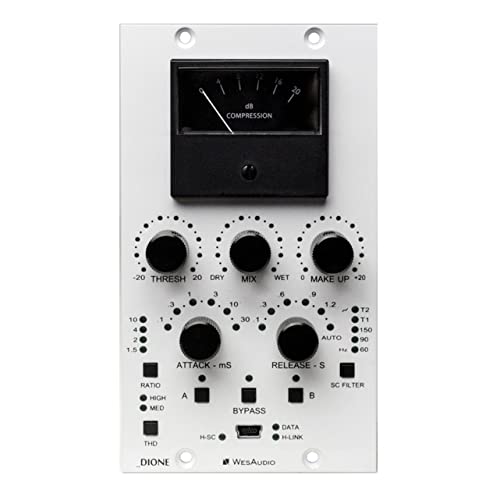
- Analog 500-series stereo bus compressor
- Digital recall support
- Compact modular format
Best For: 500-series studios that need recalled stereo compression
Advanced Master Bus
Stereo Master Bus Compressor with Multiband Control

- 2-channel rackmount master bus compressor
- Multiband processing plus soft clipper
- VariLink for stereo linking flexibility
Best For: Advanced mix-bus and mastering workflows
SSL-Style 500-Series Pick
Legendary G-Series Sound in a Modular Format

- SSL G Series-inspired stereo bus compressor
- Extra ratios: 1.5, 3, and 10
- Auto release and switchable sidechain HPF
Best For: 500-series users wanting classic stereo bus compression with flexible sidechain control.
Transformer-Balanced Rack Choice
Stepped Control Stereo Bus Compressor

- Carnhill transformer-balanced I/O
- Stepped controls and diode-bridge design
- Analog XLR rack-style compressor
Best For: Classic rack users who want stepped controls and transformer-balanced stereo compression.
Dual-Channel Utility Pick
Linked Stereo Compression and Dynamics Control
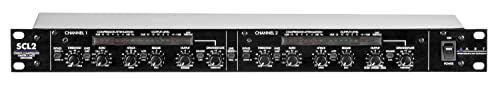
- Linked stereo or dual-channel operation
- Auto/manual attack and release options
- TRS and XLR balanced inputs with meters
Best For: Buyers needing flexible stereo dynamics control with compressor, limiter, expander, and gate features.
Desktop Master Bus Control
elysia xmax qube Series Stereo Master Bus Compressor

- 2-channel multiband master bus compressor
- Soft clipper included
- Desktop chassis with VariLink
Best For: Desktop-based master bus processing with compact stereo control
Class A Rack Compressor
elysia xpressor neo Class A Stereo Compressor

- 1U rackmount analog stereo compressor
- Class A topology with parallel processing
- Side chain I/O and variable release curves
Best For: Rack-based stereo compression with flexible analog control
Compact 500-Series Bus Tool
elysia xmax 500 Series Stereo Master Bus Compressor
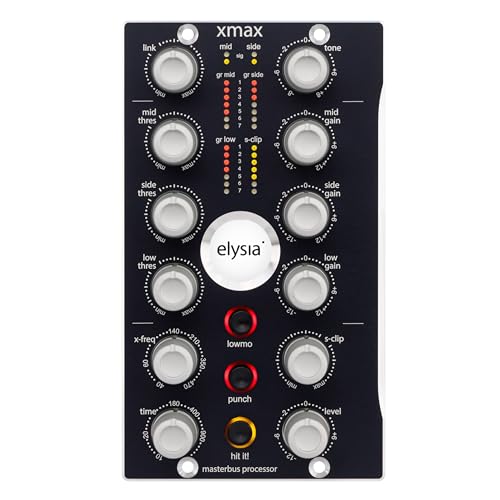
- 500 Series 2-channel multiband compressor
- Soft clipper included
- VariLink processing in a compact module
Best For: 500 Series studios needing compact master bus compression
Classic VCA Rack – Stereo VCA Bus Compressor with Cinemag Transformers
If you’re shopping for stereo bus compressors for mixing or tracking, the Warm Audio Bus-Comp brings a straightforward 2-channel VCA design with five ratios, a side chain input filter, and CineMag transformers. It’s built in a classic metal rack format and is aimed at practical audio mixing and recording use.
Best For: Engineers who want a hardware stereo bus compressor with classic VCA behavior and transformer color.
Pros:
- 2-channel stereo VCA bus compressor design
- Five ratio options for flexible compression control
- Side chain input filter for shaping the detector response
- CineMag transformers for added analog character
Cons:
- Large rack unit at 24.5″ x 14″ x 4″
- Heavier build at 9.7 pounds
- Focused on analog hardware workflow only
Overall, this is a solid pick if you want a no-nonsense stereo compressor with transformer-equipped hardware and familiar bus-compression controls. It keeps the feature set practical and direct for studio use.
Most Flexible SSL Style – Versatile SSL Bus Compressor with 4 Modes
Among stereo bus compressors, the SSL BusPlus stands out for flexibility: it uses an authentic SSL bus compressor circuit with high-performance 2181 THAT VCAs and adds four operating modes, including Classic Stereo, S/C Stereo, Dual Mono, and Mid-Side. It also offers extra attack and release time options, plus three compression coloration choices.
Best For: Mixers who want a highly configurable SSL-style bus compressor for studio work and multiple stereo processing modes.
Pros:
- Authentic SSL bus compressor circuit with 2181 THAT VCAs
- Four modes: Classic Stereo, S/C Stereo, Dual Mono, and Mid-Side
- Expanded attack and release options, including Auto 2
- Three coloration options for different compression flavors
Cons:
- More complex than a basic one-knob style bus compressor
- Built as a larger, dedicated hardware unit
- Designed for studio integration rather than portable use
If you want a bus compressor that can do more than the usual stereo glue job, the BusPlus offers a lot of control without leaving the SSL character behind. It’s a strong fit when you need multiple compression modes in one unit.
500-Series Recall Pick – Analog 500-Series Stereo Compressor with Recall
The WesAudio DIONE is a 500-series stereo compressor built for bus duties, with an analog signal path and digital recall. For studios already working in the 500-series format, it’s a compact way to add stereo compression without taking up a full rackspace unit.
Best For: 500-series users who want stereo bus compression with digital recall.
Pros:
- Analog 500-series stereo bus compressor
- Digital recall for easier session management
- Compact footprint compared with full rack hardware
- Designed specifically for bus compression use
Cons:
- Requires a 500-series lunchbox or compatible rack
- Less immediately accessible than standalone rack units
- Limited product details provided beyond core format and recall
For producers and engineers already invested in 500-series gear, the DIONE offers a clean way to add stereo bus compression with modern recall convenience. It’s a format-first choice that makes sense in modular studios.
Advanced Master Bus – Stereo Master Bus Compressor with Multiband Control
If you’re comparing stereo bus compressors for mastering-style control, the elysia xmax is a 2-channel rackmount master bus compressor with multiband processing, a soft clipper, and VariLink. That combination points to a more advanced workflow for shaping the stereo mix bus.
Best For: Mastering and mix-bus users who want multiband compression with soft clipping in a rackmount unit.
Pros:
- 2-channel rackmount stereo master bus compressor
- Multiband control for more detailed shaping
- Soft clipper for additional level management
- VariLink feature for stereo linking flexibility
Cons:
- More specialized than a basic bus compressor
- Rackmount size may be overkill for simple setups
- Designed for advanced compression workflows
The xmax is a strong option when you need more than standard glue compression and want extra tools inside the same hardware unit. It’s best suited to users who value control and flexibility on the master bus.
SSL-Style 500-Series Pick – Legendary G-Series Sound in a Modular Format
If you’re shopping for stereo bus compressors in a 500-series setup, this module is built around the legendary SSL G Series stereo bus compressor approach. It adds extra ratio options, an auto release mode, and switchable sidechain filtering, giving you flexible control over mix bus glue in a compact format.
Best For: 500-series users who want a classic SSL-style stereo bus compressor with added sidechain and ratio flexibility.
Pros:
- Legendary SSL G Series stereo bus compressor design
- Additional compression ratios: 1.5, 3, and 10
- Renowned Auto release plus sidechain HPF options
- Sidechain In/Out switch for routing control
Cons:
- Requires a 500-series rack or compatible modular setup
- Module-only format may not suit standalone stereo compressor buyers
Overall, this is a focused choice for engineers who want a recognizable stereo bus compressor workflow with practical modern controls in a module format.
Transformer-Balanced Rack Choice – Stepped Control Stereo Bus Compressor
This stereo bus compressor is positioned as a classic analog option with stepped controls and transformer-balanced I/O. The diode-bridge design and XLR connectivity make it a straightforward pick for users who want a rack unit with a more traditional hardware control approach.
Best For: Engineers looking for a classic stereo bus compressor with transformer-balanced I/O and stepped controls.
Pros:
- Carnhill transformer-balanced input/output
- Stepped controls for repeatable settings
- Diode-bridge compressor design
- Analog signal format with XLR connectors
Cons:
- Stepped controls may feel less flexible than continuously variable knobs
- Included components list only the main device
For buyers comparing stereo bus compressors, this model stands out for its classic hardware layout and transformer-balanced connectivity rather than extra features.
Dual-Channel Utility Pick – Linked Stereo Compression and Dynamics Control
For stereo bus compressors that need flexibility, the ART SCL2 offers linked stereo operation as well as dual-channel use. It also includes selectable auto/manual attack and release, balance control in stereo mode, and both TRS and XLR balanced inputs for easy integration.
Best For: Users who want a versatile stereo compressor/limiter with linked operation, meters, and broad connection options.
Pros:
- Dual channel or linked stereo operation
- Selectable auto/manual attack and release
- Stereo mode balance control
- TRS and XLR balanced inputs with LED level meters
Cons:
- Not a dedicated stereo bus compressor only; it also includes limiter, expander, and gate functions
- Rack-style unit may be more than some small setups need
If you want one dynamics unit that can cover stereo compression duties and more, the SCL2 is the most flexible option in this group.
Desktop Master Bus Control – elysia xmax qube Series Stereo Master Bus Compressor
If you want stereo bus compressors with a desktop-friendly layout, the elysia xmax qube Series is built around a 2-channel multiband master bus compressor design with a soft clipper. Its VariLink approach is aimed at controlled bus work, making it a practical choice when you need a compact stereo processor for master bus duties.
Best For: Desktop-based mixes and master bus setups that benefit from multiband compression and soft clipping in a compact chassis.
Pros:
- 2-channel multiband master bus compressor
- Includes a soft clipper for added control
- Desktop chassis suits non-rack setups
- VariLink design is tailored for bus processing
Cons:
- Desktop format may not fit rack-based rigs
- Specific routing and control details are limited in the supplied notes
This model stands out if your priority is a stereo bus compressor designed for desktop use rather than a traditional rack unit. It pairs multiband processing with soft clipping, which should appeal to users who want focused master bus control in a compact format.
Class A Rack Compressor – elysia xpressor neo Class A Stereo Compressor
Among stereo bus compressors, the elysia xpressor neo is positioned as a 1U rackmount analog stereo compressor with Class A topology. Its parallel processing, side chain I/O, and variable release curves make it a flexible option for engineers who want straightforward stereo dynamics control in a rack format.
Best For: Rack-based setups that need an analog stereo compressor with flexible side chain and release options.
Pros:
- 1U rackmount analog stereo compressor
- Class A topology
- Parallel processing support
- Side chain I/O and variable release curves
Cons:
- Requires rack space
- No multiband or soft clipper feature is listed in the supplied notes
This is the most traditional rack-style choice in the group, especially if you value analog stereo compression with extra routing flexibility. The combination of parallel processing, side chain I/O, and variable release curves gives it a practical toolset for mix bus duties.
Compact 500-Series Bus Tool – elysia xmax 500 Series Stereo Master Bus Compressor
If you are shopping for stereo bus compressors in a 500 Series setup, the elysia xmax 500 Series brings a 2-channel multiband master bus compressor with a soft clipper and VariLink. Its smaller format makes it a practical option for modular studios that want bus processing without a full rack unit.
Best For: 500 Series racks that need compact master bus compression with multiband control and soft clipping.
Pros:
- 500 Series format for modular systems
- 2-channel multiband master bus compressor
- Soft clipper included
- VariLink processing for bus control
Cons:
- Requires a 500 Series rack
- Less self-contained than the desktop version
This model makes sense if your studio is already built around 500 Series modules and you want stereo master bus processing in a compact footprint. It delivers the same multiband, soft-clipping, VariLink-focused concept in a format designed for modular integration.
How We Picked These Stereo Bus Compressors
We prioritized units that are well suited to mix bus and mastering-style duties, with a focus on stereo tracking accuracy, useful control ranges, and the ability to apply compression without obvious artifacts. We also considered workflow features such as sidechain filtering, linked channels, ratio selection, and build quality. Because Stereo Bus Compressors are often chosen for subtle gain control rather than heavy limiting, we gave extra weight to transparency, stereo image stability, and repeatable results.
Quick Comparison
Broadly speaking, this group splits into three categories: clean VCA-style designs for mix-bus glue, more character-forward units for coloration and attitude, and modular or 500-series options for flexible studio integration. If you want the safest all-around choice, look for a compressor that offers smooth stereo linking and enough control to fine-tune attack and release. If you want more tone, choose a model known for harmonic character and stronger compression personality.
Key Buying Factors for Stereo Bus Compressors
Compression Character
Some Stereo Bus Compressors are built to be nearly invisible, while others add density and tone. Decide whether you want transparent control or noticeable color before comparing features.
Stereo Linking and Tracking
Good channel matching helps preserve the stereo image. On a mix bus, poor tracking can cause the center to drift or the image to wobble under gain reduction.
Attack, Release, and Ratio Control
Flexible timing controls matter because small changes can dramatically affect punch, groove, and vocal or drum presence in the final mix.
Sidechain Options and Filters
Sidechain filters help keep low-end energy from triggering too much compression, which is especially useful on modern mixes with strong kick and bass content.
Format and Integration
Consider whether you need a full rack unit, a 500-series module, or a mastering-oriented stereo master bus compressor that fits an existing setup.
Who Should Buy Which Stereo Bus Compressors?
Mix engineers who want clean glue and easy recall should lean toward transparent VCA-style units. Producers who want a little more tone and excitement may prefer models with a stronger sonic signature. Owners of 500-series racks should focus on modules that offer strong stereo control in a compact format, while mastering-minded users should prioritize precision, linking, and low-distortion operation. In short, the best Stereo Bus Compressors are the ones that match your workflow, your genre, and how much personality you want on the final buss.