The best microphone preamps for audiophiles can add clean gain, useful tonal character, or practical recording features without becoming the weak link in an otherwise refined system.
We selected 10 options spanning premium transparent designs, inline boosters, tube-inspired circuits, multi-channel rack units, and USB-equipped voice processors. Use the guide below to match gain requirements, connectivity, and sound-shaping preferences to your setup.
Best 10 Microphone Preamps for Audiophiles Picks for 2026
Clean Gain Control
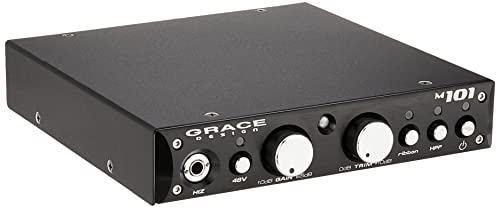
- 12-position gold-plated gain switch
- 115 dB stated signal-to-noise ratio
- Balanced XLR and TRS connectivity
Best For: Single-channel recording setups needing precise gain control
Passive Mic Boost

- Up to +25 dB of gain
- Powered by +48V phantom power
- Does not pass phantom power to passive mics
Best For: Boosting quiet passive microphones before the main preamp
Inline Class-A Boost

- Low-noise Class-A JFET amplifier
- Shielded enclosure
- Four matched JFETs
Best For: Compact inline microphone signal boosting
Variable Tube Color
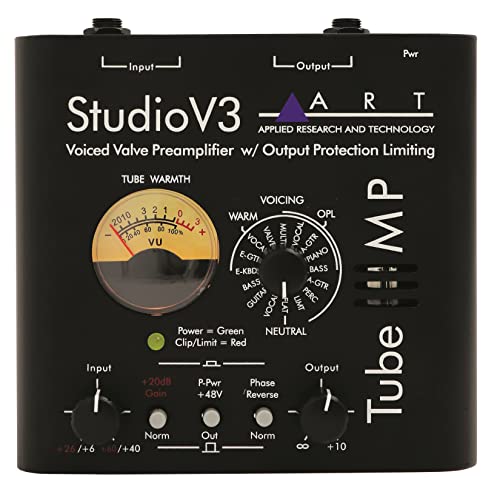
- Single-channel tube preamp
- Variable valve voicing
- Supports microphones and instruments
Best For: Adding tube character to vocals and instruments
Warm Analog Character

- 80 dB of microphone gain
- Switchable impedance and phantom power
- DI input with warm, full-bodied sound
Best For: Recording sources that benefit from high gain and warm voicing
Tube Voicing Flexibility

- Variable input impedance
- V3 Variable Valve Voicing
- 5 Hz–50 kHz frequency response
Best For: Tube-oriented microphone and guitar recording setups
Compact Recording Control
Pre73 Jr MKII Microphone Preamp

- Single-channel mic preamp and DI
- +48V phantom power
- Polarity reverse, highpass filter, and Air boost
Best For: Focused microphone and instrument recording chains
Best USB Studio Hub
UV1 Audiophile Mic Preamplifier

- Midas-designed mic and line preamp
- 192 kHz USB audio interface
- Built-in processor and compressor
Best For: Computer-based recording, streaming, and live vocal setups
Best Tube Tone Control

- 12AX7 tube for warm analog tone
- Two channels with flexible gain
- Onboard equalizer and versatile I/O
Best For: Analog studio chains needing tube color and tone shaping
Best Modeling Flexibility

- 16 selectable preamp voicings
- Supports mic, instrument, and line sources
- Built-in USB/audio interface
Best For: Compact home recording and podcasting with varied source tones
Clean Gain Control – Grace Design m101
The Grace Design m101 is a single-channel option for audiophiles seeking a detailed microphone preamp with precise gain adjustment. Its 12-position gold-plated rotary gain switch and stated 115 dB signal-to-noise ratio make it suited to controlled voice and recording setups.
Best For: Audiophiles who want a dedicated, single-channel preamp with stepped gain control.
Pros:
- 12-position gold-plated rotary gain switch
- 115 dB stated signal-to-noise ratio
- Supports XLR and TRS balanced connectivity
- Includes a two-year warranty
Cons:
- Single-channel design
- Corded electric power is required
The m101 is a focused choice when gain precision and a high stated signal-to-noise ratio matter more than having multiple channels or extensive onboard features.
Passive Mic Boost – Cloudlifter CL-1
The Cloudlifter CL-1 is an inline microphone activator for audiophiles who need more usable gain from quiet passive microphones. It uses phantom power to provide up to 25 dB of gain without passing phantom power to the microphone itself.
Best For: Passive ribbon microphones, podcasts, voiceovers, and recording chains that need additional clean signal strength.
Pros:
- Provides up to +25 dB of microphone preamp gain
- Uses +48V phantom power
- Designed not to pass phantom power to passive microphones
- Compact single-channel XLR design
Cons:
- Requires a microphone input with phantom power
- It is an inline activator rather than a complete standalone preamp
The CL-1 makes sense when your existing preamp needs help driving a quiet passive mic, particularly in podcasting, voiceover, or ribbon-microphone applications.
Inline Class-A Boost – Triton Audio FetHead
The Triton Audio FetHead is an in-line microphone preamp built around a low-noise Class-A JFET amplifier. For audiophiles comparing microphone preamps, its shielded enclosure and matched JFET design emphasize a compact, signal-focused approach.
Best For: Users seeking a compact inline preamp with Class-A JFET amplification.
Pros:
- Low-noise Class-A JFET amplifier
- Uses a double single-ended amplifier topology
- Shielded enclosure
- Built with four matched JFETs
Cons:
- Inline design may be less flexible than a full-featured rack or desktop preamp
- The supplied notes do not specify gain, connectivity, or power requirements
The FetHead is worth considering when a small, purpose-built inline stage appeals more than a larger preamp with extensive controls and connections.
Variable Tube Color – ART Tube MP Studio V3
The ART Tube MP Studio V3 is a single-channel tube microphone and instrument preamplifier for audiophiles who want variable valve voicing. It supports microphones and instruments including guitars, bass, keyboards, drums, and vocals, making it a flexible choice for basic recording chains.
Best For: Home studios and musicians wanting tube-based microphone and instrument preamplification.
Pros:
- Single-channel tube preamplifier
- Variable valve voicing
- Compatible with vocals, guitars, bass, keyboards, and drums
- Metal enclosure and two-year warranty
Cons:
- Single-channel design
- Tube coloration may not suit users seeking strictly neutral gain
The Tube MP Studio V3 is a practical pick for buyers who value adjustable tube character and instrument compatibility over a purely transparent preamp design.
Warm Analog Character – Pre-73 MKIII
The Pre-73 MKIII is a practical choice for audiophiles seeking microphone preamps with a warm, rich, full-bodied sound profile. This single-channel solid-state unit provides up to 80 dB of microphone gain, plus DI connectivity for high-impedance instruments.
Best For: Vocal, instrument, and DI recording setups that need substantial gain and classic warm voicing.
Pros:
- Up to 80 dB of microphone gain
- Switchable input impedance for flexible source matching
- Includes phantom power, DI input, and LED output metering
- Single-channel design is straightforward for focused recording chains
Cons:
- Only one output channel
- Corded-electric operation requires a dedicated power connection
Its combination of high gain, impedance switching, phantom power, and DI functionality makes the Pre-73 MKIII a versatile front end when a warm, full-bodied presentation is the priority.
Tube Voicing Flexibility – ART TPS II Tube Preamplifier
The ART TPS II is a tube preamplifier system for audiophiles who want adjustable color in a single-channel recording path. Its variable input impedance and V3 Variable Valve Voicing provide control over the unit’s warm tube character, while its wide 5 Hz–50 kHz frequency response supports a broad range of sources.
Best For: Guitar and microphone users who want variable tube voicing, input impedance control, and visible metering.
Pros:
- Variable input impedance supports source-matching adjustments
- V3 Variable Valve Voicing enables different tube tonal options
- Automatically switches between instrument and microphone preamp modes
- Includes LED input and analog output meters plus output protection limiting
Cons:
- Single-channel configuration limits simultaneous processing
- Uses corded-electric power
- Its 19-inch-wide enclosure may require rack or shelf space
With tube-based amplification, adjustable voicing, and broad frequency response, the TPS II is suited to listeners and recordists who prefer shaping the character of a source before it reaches the rest of the system.
Compact Recording Control – Pre73 Jr MKII Microphone Preamp
The Pre73 Jr MKII is a single-channel option for audiophiles comparing microphone preamps for a focused home or project-studio chain. It combines microphone preamp and DI functionality with +48V phantom power, polarity reverse, a highpass filter, and an Air boost.
Best For: Microphone, electric-guitar, and high-impedance instrument recording with useful signal-shaping controls.
Pros:
- Combines microphone preamp and DI functionality in one channel
- Provides +48V phantom power for compatible microphones
- Polarity reverse and highpass filter add practical recording control
- Air boost offers an additional tonal option
Cons:
- Single-channel design is not intended for multi-channel recording
- The supplied notes do not specify maximum gain or frequency response
The Pre73 Jr MKII keeps the feature set focused: essential microphone and instrument connectivity alongside polarity, filtering, phantom power, and Air controls for shaping a recorded signal.
Best USB Studio Hub – UV1 Audiophile Mic Preamplifier
Behringer UV1 Audiophile Mic Preamplifier, Voice Processor and 192 kHz USB Audio Interface
Check Price On AmazonFor audiophiles who want microphone preamps with straightforward computer connectivity, the Behringer UV1 combines a Midas-designed mic/line preamplifier, processing controls, and a 192 kHz USB interface in a rack-style unit. Its compressor and mic processor add flexibility for recording, streaming, or live use.
Best For: Home studios, live setups, and creators who want a preamp with built-in USB connection and vocal processing.
Pros:
- Midas-designed preamplifier supports microphone and line-level sources.
- 192 kHz USB audio interface connects directly to a computer.
- Built-in mic processor and flexible compressor support recording control and creative processing.
Cons:
- Listed operating-system support specifies Windows.
- The rack-style design may be more equipment than needed for a simple analog-only setup.
The UV1 is a versatile choice when USB recording and integrated processing matter as much as preamp duties. It is particularly practical for users building a compact studio or live vocal chain around a computer.
Best Tube Tone Control – Ultragain Pro MIC2200 V2
The Behringer Ultragain Pro MIC2200 V2 is a two-channel option for audiophiles seeking microphone preamps with tube character and hands-on tone shaping. Its 12AX7 vacuum tube, broad gain range, and onboard equalizer make it suitable for detailed signal adjustment before recording or mixing.
Best For: Studio users who want two-channel tube preamplification, flexible connections, and adjustable equalization.
Pros:
- 12AX7 vacuum tube is designed to provide a warm analog tone.
- Two channels with +10 dB to +60 dB microphone gain range.
- XLR and 1/4-inch inputs and outputs support balanced and unbalanced connections.
- Equalizer offers up to ±15 dB cut/boost with adjustable frequency and bandwidth controls.
Cons:
- It is an analog preamplifier and does not list a built-in USB interface.
- The rack-mount chassis is less convenient for highly portable setups.
The MIC2200 V2 is a strong fit when analog tube coloration and detailed equalization are priorities. Choose it over a USB-focused model if your system already includes an audio interface or mixer.
Best Modeling Flexibility – TUBE ULTRAGAIN MIC500USB
For audiophiles comparing microphone preamps with multiple tonal options, the Behringer TUBE ULTRAGAIN MIC500USB pairs vacuum-tube preamplification with 16 modeled voicings. It also includes a USB/audio interface, making it a compact way to connect microphones, instruments, or line-level sources to a computer.
Best For: Home recordists and podcasters who want selectable preamp voicings plus direct USB connectivity.
Pros:
- Supports microphone, instrument, and line-level sources.
- Offers 16 preamp voicings for vocals, guitars, keyboards, bass, drums, and more.
- Built-in USB/audio interface connects directly to a computer.
- Includes recording, editing, podcasting software, and instrument/effect plug-ins.
Cons:
- The supplied notes do not specify the individual controls or connection details beyond USB/audio interfacing.
- Its compact two-channel design may offer less rack integration than a larger studio preamp.
The MIC500USB stands out for experimentation: its modeled voicings let users tailor the character of different sources without adding multiple preamps. It is especially appealing when a compact interface and bundled software are useful parts of the recording setup.
How We Picked the Best Microphone Preamps for Audiophiles
We focused on preamps that offer a meaningful advantage for serious listening or recording, whether that means low-noise gain, strong microphone compatibility, tonal flexibility, or useful integration with an existing interface. The selection includes dedicated studio preamps, inline gain boosters, tube models, and USB-equipped units so different systems and budgets are represented.
We also considered channel count, phantom-power support, output connectivity, controls, portability, and the types of microphones each design is likely to suit. A preamp is only a good choice when it fits the rest of the signal chain.
Quick Comparison
- Clean, premium single-channel gain: Grace Design m101.
- Inline gain for passive ribbon or dynamic microphones: Cloudlifter CL-1 and Triton Audio FetHead.
- Affordable tube or vintage-style color: ART Tube MP Studio V3, Pre-73 MKIII, and Pre73 Jr MKII.
- Multi-channel or rack-based systems: ART TPS II and Behringer Ultragain Pro MIC2200 V2.
- USB recording and voice-processing features: Behringer UV1 and TUBE ULTRAGAIN MIC500USB.
Key Buying Factors for Microphone Preamps for Audiophiles
Gain, Noise, and Microphone Match
Check how much clean gain your microphone needs. Low-output passive ribbons and some dynamic microphones may benefit from an inline booster or a high-gain preamp. Sensitive condensers generally need less gain, but they do require reliable phantom power. Low self-noise matters most when recording quiet sources or using substantial gain.
Transparency Versus Tonal Color
Choose a clean preamp when you want the microphone and source to remain largely unchanged. Tube, transformer, and vintage-inspired designs can add warmth, saturation, or presence, which may be desirable for vocals and instruments but less suitable when strict neutrality is the goal.
Connectivity and System Compatibility
Confirm that the input and output connections match your interface, mixer, or amplifier. Consider whether you need balanced line output, multiple channels, USB conversion, direct monitoring, or an insert path. Inline boosters also require phantom power from the downstream device, even though they do not pass phantom power to every microphone type in the same way.
Controls and Practical Features
Useful features include input impedance options, pad and high-pass filters, phase reversal, metering, adjustable tube drive, and dependable gain controls. Rack units suit permanent studio installations, while compact inline devices are easier to carry and add only when extra gain is needed.
Who Should Buy Which Microphone Preamps for Audiophiles?
Choose the Grace Design m101 if you want a refined, dedicated single-channel preamp with a strong emphasis on clean, controlled gain. Choose the Cloudlifter CL-1 or FetHead if your existing interface sounds good but struggles with a low-output dynamic or ribbon microphone.
Choose the ART Tube MP Studio V3 or a Pre-73 model if you want affordable tonal shaping and a vintage-influenced recording path. Choose the ART TPS II or MIC2200 V2 when multiple channels, rack mounting, or broader studio routing are priorities.
Choose the Behringer UV1 for an all-in-one spoken-word or streaming setup with USB connectivity and voice-oriented controls. Choose the MIC500USB if tube-style color, preamp modeling, and direct computer connection are more important than a strictly minimalist signal path.