Passive ribbon microphones can sound remarkably detailed, but their low output often demands more clean gain than a basic audio interface or mixer can provide. The right inline booster or dedicated preamp can raise the signal without adding distracting hiss, harshness, or unwanted coloration.
We’ve gathered 10 options for different recording setups, budgets, and gain requirements. Use the comparison and buying advice below to narrow your choice based on noise performance, phantom-power handling, connection style, and the rest of your signal chain.
Best 10 Microphone Preamp for Ribbon Mic Picks for 2026
Best Overall
Cloudlifter CL-1 Mic Activator

- Up to +25 dB of gain
- Blocks phantom power from passive ribbons
- Compact single-channel XLR design
Best For: Passive ribbon mics, studios, podcasts, and streaming
Low-Noise Design
Triton Audio FetHead Inline Preamp

- Low-noise Class-A JFET amplifier
- Shielded enclosure
- Four matched JFETs
Best For: Compact recording chains seeking a JFET-based gain stage
Budget-Friendly Option

- +25 dB gain for passive ribbons
- Balanced XLR input and output
- Compact shielded metal housing
Best For: Home studios, podcasts, streaming, and mobile recording
Most Gain
Coda MB-Stealth Mic Gain Booster
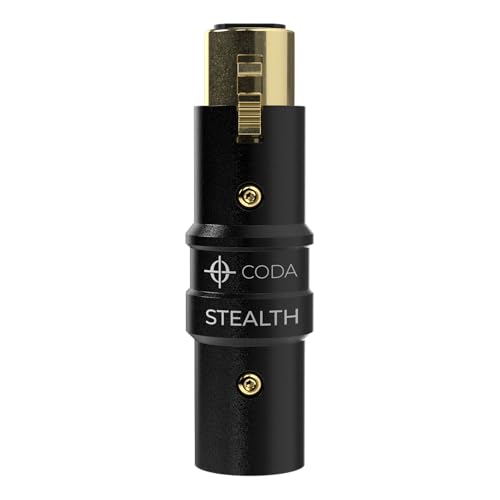
- Up to 28 dB of gain
- Designed for ribbon and dynamic mics
- Compact aluminum housing
Best For: Quiet passive ribbons, recording, streaming, and podcasting
Brass 28 dB Booster
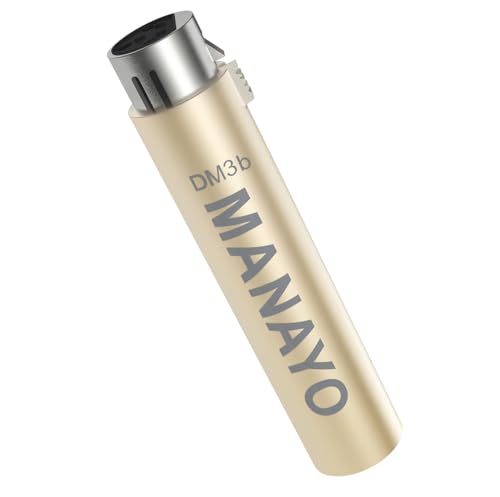
- Adds 28 dB of gain
- XLR in-line connectivity
- For dynamic and passive ribbon mics
Best For: Quiet ribbon or dynamic microphone signals
Clean 20 dB Mic Preamp

- Offers 20 dB of gain
- Supports 48V power
- Compact low-noise design
Best For: Studio, podcast, and streaming setups
DM3 28 dB Booster
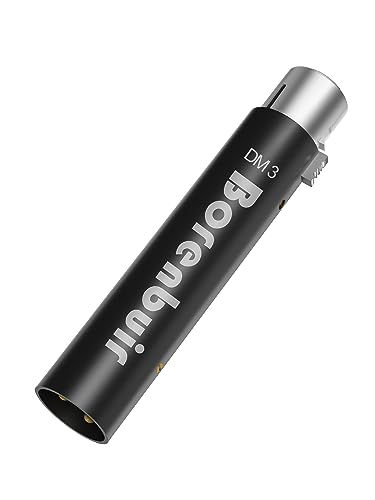
- Adds 28 dB of clean gain
- Requires external 48V phantom power
- For dynamic and ribbon microphones
Best For: Ribbon setups with a 48V-capable interface or mixer
Best Value Inline Booster

- Adds 28dB of gain for passive ribbon and dynamic mics
- Buffer helps reduce hum, buzz, and RF interference
- Requires 48V phantom power from connected gear
Best For: Affordable home, podcast, livestream, and stage setups
Most Versatile Gain Control

- Adjustable 19–66dB gain range
- -120dBV EIN specification for low-noise operation
- XLR/TRS/TS outputs and Type-C power input
Best For: Flexible recording, streaming, and instrument setups
Best Premium Inline Option

- Delivers +28dB of clean, transparent gain
- Slim all-metal design for studio or stage use
- Gold-plated XLR connectors and transformerless circuitry
Best For: Simple, dependable inline gain for ribbon and dynamic microphones
Best Overall – Cloudlifter CL-1 Mic Activator
If you need a microphone preamp for ribbon mic setups, the Cloudlifter CL-1 is a well-established inline option for adding gain before your main interface or mixer. It uses phantom power to provide up to 25 dB of gain while blocking phantom power from reaching passive ribbon microphones.
Best For: Home studios, professional recording, podcasting, streaming, and passive ribbon microphones that need additional clean signal strength.
Pros:
- Provides up to +25 dB of microphone gain.
- Designed to be safe for passive ribbon microphones by not passing phantom power to the mic.
- Compact stainless-steel enclosure and straightforward XLR connectivity.
- Works with standard microphone inputs that provide phantom power.
Cons:
- Requires phantom power from the connected interface, mixer, or preamp.
- Its single-channel design may require another unit for stereo applications.
The CL-1 is a practical choice when a passive ribbon mic is producing a weak signal and your existing preamp lacks sufficient gain. Its compatibility with tube, battery-powered, and other powered microphones also makes it a flexible addition to a recording chain.
Low-Noise Design – Triton Audio FetHead Inline Preamp
The Triton Audio FetHead is an inline microphone preamp for ribbon mic users who want added signal level from a compact device. Its low-noise Class-A JFET amplifier, matched JFETs, and shielded enclosure are aimed at keeping the gain stage clean and protected from interference.
Best For: Recording setups that prioritize a compact, shielded inline preamp with a Class-A JFET gain stage.
Pros:
- Uses a low-noise Class-A JFET amplifier.
- Features a shielded enclosure for added protection from interference.
- Employs four matched JFETs and a double single-ended amplifier topology.
- Compact box-style construction is easy to add to a microphone chain.
Cons:
- The supplied notes do not specify the gain amount or phantom-power behavior.
- The product details list two channels, while the device is described as an inline preamp; verify channel requirements before buying.
The FetHead stands out for its stated low-noise Class-A design and shielding. Because the supplied specifications do not state its exact gain or ribbon-safety details, confirm those points against your particular microphone and interface before purchase.
Budget-Friendly Option – StudioMan CL-100 XLR Preamp
The StudioMan CL-100 is a microphone preamp for ribbon mic and dynamic microphone users who need a straightforward 25 dB signal boost. Its dual balanced XLR connections, compact metal housing, and phantom-power compatibility make it suitable for interfaces, mixers, live sound systems, and desktop recording setups.
Best For: Dynamic and passive ribbon microphones in home studios, podcasts, live streams, and mobile or fixed recording setups.
Pros:
- Designed specifically for dynamic microphones and passive ribbon mics.
- Provides a stated +25 dB clean gain boost.
- Uses balanced XLR input and output connections.
- Compact metal chassis offers EMI/RFI shielding and portable construction.
Cons:
- The 10 Hz–20 kHz stated frequency response is narrower than some competing specifications.
- Its orange-and-black finish may not suit every studio setup.
The CL-100 offers the core features many ribbon-mic users need: extra gain, balanced XLR connectivity, and a compact enclosure. Its included one-year warranty and technical support may also appeal to buyers who want additional product assistance.
Most Gain – Coda MB-Stealth Mic Gain Booster
The Coda MB-Stealth is an inline microphone preamp for ribbon mic and dynamic microphone setups that need up to 28 dB of additional gain. It draws power from 48V phantom power and is specified for low noise, making it a useful way to raise a quiet passive microphone signal before it reaches an interface or mixer.
Best For: Dynamic and ribbon microphones used for recording, streaming, and podcasting when an extra few decibels of clean gain are helpful.
Pros:
- Provides up to 28 dB of gain, the highest stated boost among these options.
- Designed for dynamic and ribbon microphones.
- Uses a compact matte-black aluminum enclosure.
- Lists a -70 dB noise rating and 20 Hz–20 kHz frequency response.
Cons:
- Requires 48V phantom power from the connected audio interface or mixer.
- Does not work with condenser microphones.
- Its maximum output level is specified at 0.5% THD, so gain staging remains important.
With 28 dB of stated clean gain, the MB-Stealth is a strong candidate when a ribbon microphone needs more level than a typical inline booster provides. Confirm that your interface supplies phantom power and use conservative gain staging to avoid overloading the next device.
Brass 28 dB Booster – Compact Ribbon Mic Gain
in-line microphone preamp for Dynamic and Passive Ribbon Microphones (UPGRADE BRASS)
Check Price On AmazonIf your ribbon mic delivers a quiet signal, this in-line microphone preamp for ribbon mic setups adds 28 dB of gain through an XLR connection. It is designed for dynamic and passive ribbon microphones and can help raise the signal before it reaches an audio interface or mixer.
Best For: Dynamic or passive ribbon microphones needing a compact 28 dB gain boost.
Pros:
- Provides a stated 28 dB of gain.
- Uses straightforward XLR connectivity.
- Compact in-line design for use with an interface or mixer.
Cons:
- The supplied notes do not specify phantom-power requirements.
- Its single-channel design is intended for one microphone at a time.
This is a simple choice when your main priority is adding gain to a passive ribbon or dynamic microphone without selecting a larger multi-feature preamp.
Clean 20 dB Mic Preamp – 48V Studio Booster
This microphone preamp for ribbon mic applications offers 20 dB of stated gain with a balanced circuit intended to provide clean, transparent amplification. Its 48V power capability and XLR output make it a flexible option for compatible dynamic and condenser microphone setups.
Best For: Home studios, recording, podcasting, and live streaming where compact gain and 48V support are useful.
Pros:
- Provides 20 dB of gain.
- Includes 48V power support for dynamic and condenser microphones.
- Designed for low-noise, balanced amplification.
- Compact, lightweight black metal casing.
Cons:
- The supplied information does not specifically confirm compatibility with passive ribbon microphones.
- It provides less stated gain than the 28 dB in-line models listed here.
Choose this model when clean, balanced gain and broader microphone support matter more than maximum boost. Ribbon-mic users should verify the exact power and compatibility requirements for their setup before buying.
DM3 28 dB Booster – Phantom-Powered Ribbon Gain
For a microphone preamp for ribbon mic use, the Borenbuir DM3 adds 28 dB of clean gain to dynamic and ribbon microphones. It requires 48V phantom power from an audio interface, mixer, or external supply, so confirm that your equipment can provide it before connecting this compact XLR booster.
Best For: Dynamic and ribbon microphones used for podcasts, broadcasts, field recordings, live streams, or studio recording.
Pros:
- Adds a stated 28 dB of clean gain.
- Works with dynamic and ribbon microphones.
- Rugged copper case provides shielding against interference.
- Simple plug-and-play XLR signal path.
Cons:
- Requires 48V phantom power from an interface, mixer, or external supply.
- Does not supply phantom power itself.
- Not intended for condenser microphones.
This is the clearest fit for passive ribbon users who already have a 48V-capable interface or mixer. Its 28 dB boost and stated natural-sound design target low-output microphones without adding a separate full-size preamp.
Best Value Inline Booster – 28dB Mic Preamp
If you need a budget-friendly microphone preamp for ribbon mic setups, this compact booster adds 28dB of gain to passive ribbon and dynamic microphones. It is designed to improve signal level without adding noticeable coloration and requires 48V phantom power from a mixer, interface, or preamp.
Best For: Home recording, podcasting, livestreaming, and stage use with passive ribbon or dynamic microphones.
Pros:
- Provides 28dB of gain for low-output passive microphones.
- Dedicated output buffer helps drive longer cable runs and reduce interference.
- Slim aluminum housing is practical for studio and live applications.
Cons:
- Requires 48V phantom power from connected equipment.
- Designed for one microphone signal rather than multi-channel use.
This is a straightforward choice when your existing interface or mixer needs more clean gain for a passive ribbon mic. Confirm that your setup supplies phantom power before buying.
Most Versatile Gain Control – RO03 66dB Mic Preamp
The RO03 is a flexible microphone preamp for ribbon mic users who need substantially more adjustable gain than a simple inline booster provides. Its 19–66dB gain range, stated -120dBV EIN, Type-C power input, and XLR/TRS/TS outputs suit recording, streaming, and instrument applications.
Best For: Users who want adjustable gain, low-noise operation, portable Type-C power, and compatibility with microphones or instruments.
Pros:
- Offers a practical 19–66dB gain range for low-output microphones.
- Designed with a -120dBV EIN noise floor specification.
- Includes XLR, TRS, and TS connectivity plus Type-C power input.
- 1MΩ instrument input impedance improves its use as a DI for instruments.
Cons:
- The two input ports cannot operate simultaneously.
- The manufacturer recommends connecting to an interface’s TRS line input for the lowest noise.
- Its larger enclosure is less minimal than an inline booster.
Choose the RO03 if your ribbon microphone setup needs broad gain adjustment or additional routing flexibility. Proper cabling matters, particularly when connecting it to an audio interface.
Best Premium Inline Option – sE Electronics DM1 Dynamite
The sE Electronics DM1 Dynamite is a purpose-built microphone preamp for ribbon mic and dynamic microphone users who want clean, transparent inline gain. It supplies +28dB, uses a slim transformerless design, and has an all-metal housing with gold-plated XLR connectors.
Best For: Studio recording, podcasting, and live sound applications using passive ribbon or dynamic microphones.
Pros:
- Provides +28dB of clean, transparent gain.
- Ultra-slim inline form factor adds gain without much bulk.
- All-metal construction is suited to frequent use.
- Gold-plated XLR connectors and interference-reduction features support reliable signal connections.
Cons:
- Offers a fixed 28dB gain level rather than adjustable gain.
- Requires compatible phantom-powered equipment in the signal chain.
- Its inline XLR design is less flexible than a multi-output desktop preamp.
The DM1 Dynamite is a strong fit when you prefer a compact, dedicated booster from an established microphone-accessory brand. It is especially appealing for a clean, simple ribbon mic signal path.
How We Picked the Best Microphone Preamp for Ribbon Mic
We focused on inline and standalone preamps suited to low-output dynamic and passive ribbon microphones. The selection covers established studio accessories, compact budget boosters, and higher-gain models that can help interfaces with limited microphone preamp headroom. We considered advertised gain, noise claims, build and connector design, phantom-power requirements, compatibility, and practical value.
Because specifications and performance can vary by microphone, the best choice is not necessarily the model with the highest gain. A clean, appropriately powered booster that leaves useful headroom is usually more valuable than extreme amplification alone.
Quick Comparison
| What to compare | Why it matters | Best fit |
|---|---|---|
| Gain level | Determines how much the signal is raised before it reaches the interface | Quiet sources, distant placement, or low-gain interfaces |
| Noise performance | Prevents hiss from becoming obvious during quiet passages | Ribbon vocals, acoustic instruments, and close critical listening |
| Inline design | Installs directly between the microphone and XLR cable | Simple portable rigs and existing interfaces |
| Phantom-power behavior | Many inline boosters need phantom power, while passive ribbons require careful handling | Interfaces or mixers with reliable 48V power |
Key Buying Factors for a Microphone Preamp for Ribbon Mic
Clean Gain and Available Headroom
Check how much gain the unit provides and how much your interface already offers. A ribbon microphone may need substantial boost, but excessive gain can make it easier to overload the next input stage. Choose a model that lets you record strong peaks without constant clipping.
Noise and Real-World System Performance
Look beyond the headline gain figure. The microphone, XLR cable, interface preamp, room noise, and recording level all affect the final result. Ultra-low-noise designs are especially useful when recording quiet sources or applying significant software compression later.
Phantom Power and Ribbon Safety
Many inline activators draw power from 48V phantom power while passing the audio signal through. Confirm the product’s instructions and use balanced XLR connections. With passive ribbons, avoid engaging phantom power unless the microphone maker and signal chain explicitly support it; faulty cables, patchbays, or adapters can create damaging voltage imbalances.
Connection, Placement, and Construction
Short inline units are convenient, but their weight can stress a microphone’s XLR socket if left hanging. Consider a supported cable layout or a standalone preamp when working with heavier microphones, unusual mounting positions, or permanent studio installations.
Who Should Buy Which Microphone Preamp for Ribbon Mic?
Choose a proven inline activator if you want a straightforward upgrade for a passive ribbon and already own an interface with phantom power. Choose a compact budget booster for occasional home recording, provided its noise and power requirements match your setup. Choose a higher-gain, low-noise model when your interface struggles with output level or you record quiet sources that need substantial clean amplification. Choose a standalone microphone preamp if you need more control, flexible routing, or a permanent studio solution.
Before buying, compare the preamp’s gain with your microphone’s sensitivity and your interface’s available input gain. That simple check will help you avoid paying for unnecessary amplification while ensuring the ribbon reaches a healthy recording level.