Finding comfortable headphones for small ears can be difficult when standard earbuds feel loose, painful, or bulky. The right design should stay secure without creating pressure, while still delivering dependable sound and useful everyday features.
We selected 10 compact options across wireless, wired, open-ear, kid-friendly, and sleep-focused designs so you can compare fit, controls, connectivity, and value before buying.
Best 10 Headphones for Small Ears Picks for 2026
Small-Ear Comfort Pick

- 3.7g compact earbuds designed for small ears
- Up to 32 hours with the charging case
- App EQ, ENC calls, and IPX5 resistance
Best For: Lightweight daily wear, workouts, and calls
Noise-Canceling Pick

- Adaptive ANC reduces noise by up to 42dB
- Up to 45 hours with the charging case
- Phone-stand case and four-mic AI calls
Best For: Travel, commuting, and noisy workplaces
Secure Wired Pick
Joysico Small-Ear Sport Earbuds

- Smaller angled earbuds for kids and small ears
- Flexible earhooks help keep them secure
- Wired mic, controls, and multiple tip options
Best For: Exercise and users who prefer wired audio
Smallest Wireless Pick

- 3.3g earbuds and 30% smaller than GO Pop+
- Bluetooth Multipoint for two-device connections
- IP55 resistance and app-based EQ controls
Best For: Small ears, commuting, and active daily use
Best Small-Ear Wired Pick

- Six ear-tip sizes include three tiny options
- Inline mic and three-button controls
- Flat cable and protective case included
Best For: School, calls, travel, and everyday wired listening
Best Wireless Small-Ear Option
MOZOTER Mini Bluetooth Earbuds

- Lightweight 3.7g earbuds with three tip sizes
- Bluetooth 5.3 with touch controls
- Up to 60 hours with the charging case
Best For: Wireless commuting, workouts, and daily listening
Best Small-Ear Two-Pack
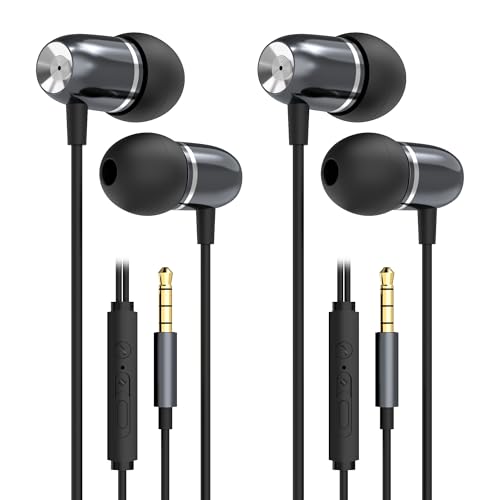
- Two pairs included for backup or shared use
- XS, S, and M silicone tips
- Mic and controls with 3.5mm compatibility
Best For: School, online learning, families, and spare earbuds
Best Open-Ear Pick

- Open-ear design keeps surroundings audible
- Four positions for a customizable fit
- IP55 and sweatproof for exercise
Best For: Outdoor listening and active users who dislike sealed earbuds
Best Budget Mini Pair

- Mini, lightweight shape for small ears
- 28 hours total playtime with charging case
- Touch controls and built-in microphone
Best For: School, commuting, calls, and everyday listening
Best for Side Sleepers
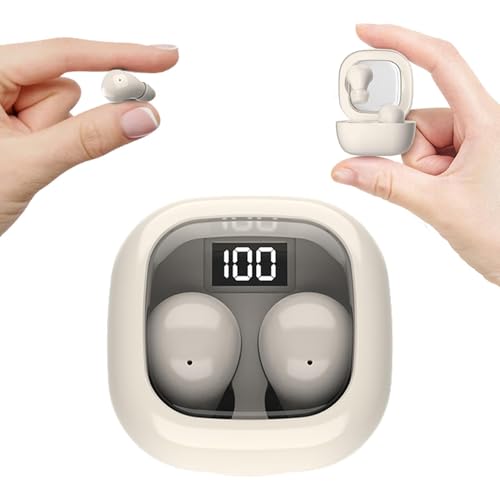
- Low-profile design for discreet wear
- Engineered for side-sleeping comfort
- Up to 24 hours with the charging case
Best For: Side sleepers and users wanting tiny, unobtrusive earbuds
Small-Ear Comfort Pick – TOZO A1 Mini Wireless Earbuds
The TOZO A1 is a strong choice when shopping for headphones for small ears, thanks to its 3.7g earbuds and compact, low-profile shape. It combines everyday wireless convenience with adjustable sound, call-focused microphones, and sweat resistance for active use.
Best For: Small-ear users who want lightweight earbuds for workouts, calls, commuting, and overnight listening.
Pros:
- Compact 3.7g design sits discreetly and is intended for small ears.
- Up to 7 hours of playback, or up to 32 hours with the charging case.
- Bluetooth 5.3, app-based EQ presets, touch controls, and ENC microphones.
- IPX5 sweat and splash resistance supports gym and everyday use.
Cons:
- Six-millimeter drivers may provide less powerful sound than larger earbuds.
- ENC helps with call clarity but is not active noise cancellation.
The A1 prioritizes a secure, unobtrusive fit without giving up useful smart features. It is especially appealing if comfort and small-ear compatibility matter more than premium noise cancellation.
Noise-Canceling Pick – Soundcore P30i Earbuds
The Soundcore P30i brings active noise cancellation to the search for headphones for small ears, while offering a lightweight in-ear design and multiple ear-tip sizes. Its adaptive ANC, transparency mode, and long battery life make it suited to travel and busy environments.
Best For: Users who want wireless earbuds with strong noise reduction, bass-forward audio, and extended battery life.
Pros:
- Adaptive active noise cancellation reduces external noise by up to 42dB.
- Up to 10 hours of playback, or up to 45 hours with the case without ANC.
- Four-microphone AI call system and adjustable settings through the soundcore app.
- Charging case doubles as a phone stand for hands-free viewing.
Cons:
- The larger 10mm drivers may not feel as compact as small-ear-focused models.
- Battery life drops to 6 hours per charge with ANC enabled.
P30i is a feature-rich option for small-ear shoppers who value noise control and viewing convenience. Check the included ear-tip fit carefully, since comfort will depend on how well the in-ear shape matches your ears.
Secure Wired Pick – Joysico Small-Ear Sport Earbuds
For shoppers seeking headphones for small ears without wireless charging or pairing, the Joysico YS1 uses a smaller angled earbud shape and flexible earhooks. The wired design is practical for exercise, while the included tips help refine fit and sound isolation.
Best For: Kids, teens, petite adults, and athletes who prefer wired earbuds that stay in place.
Pros:
- Smaller angled earbuds are designed for kids, women, and other small ears.
- Flexible over-ear hooks help prevent slipping during workouts.
- Includes silicone and memory-foam tips for fit and isolation adjustments.
- In-line microphone and controls support calls, tracks, and volume.
Cons:
- Requires a 3.5mm connection; some newer phones may need an adapter.
- Wired construction offers less freedom of movement than wireless earbuds.
The Joysico is a straightforward fit-first choice, particularly for active users who find standard earbuds loose. Its earhooks and broad device compatibility make it useful when reliable placement matters more than wireless convenience.
Smallest Wireless Pick – JLab JBuds Mini Tones
The JLab JBuds Mini Tones are built for shoppers comparing headphones for small ears, with 3.3g earbuds that are 30% smaller than the GO Pop+. They add practical extras such as Bluetooth Multipoint, Be Aware Audio, app EQ controls, and IP55 resistance.
Best For: Small-ear users who want the smallest stated design, multipoint connectivity, and workout-friendly durability.
Pros:
- JLab’s smallest earbuds, weighing 3.3g each.
- Bluetooth Multipoint connects to two devices at the same time.
- Four EQ presets, customizable controls, and Be Aware Audio through the app.
- IP55 sweat and dust resistance supports gym and outdoor use.
Cons:
- Total battery life is 20 hours with the case, less than some competing models.
- There is no 3.5mm jack for wired listening.
JBuds Mini Tones are a compelling fit-focused option when a very small footprint is the priority. Their modest case battery is balanced by useful connectivity features and a compact design suited to daily commuting or exercise.
Best Small-Ear Wired Pick – Joymiso Kids & Women Earbuds
If you prefer a dependable wired option, these Joymiso earbuds are designed specifically for headphones for small ears. Their lightweight angled shape and three extra-tiny ear-tip sizes help petite users, children ages 8 and up, and anyone with narrow ear canals find a more secure fit.
Best For: School, calls, podcasts, travel, and everyday listening where a wired connection is convenient.
Pros:
- Includes six ear-tip sizes, including three tiny options for smaller ear canals.
- Inline three-button controls and microphone support calls, playback, and voice control.
- Flat, tangle-resistant cable and included carrying case improve portability.
- Standard 3.5mm plug works with many phones, tablets, computers, consoles, and other devices.
Cons:
- Not intended for intense exercise.
- Volume control is not supported on iPod, PC, laptop, or Kindle devices according to the supplied notes.
- Newer iPhones may require a Lightning adapter, and some USB-C devices may need an adapter.
For shoppers prioritizing a customizable small-ear fit over wireless convenience, the six tip sizes and lightweight design make the Joymiso a practical everyday choice. The case and reinforced construction are useful extras for school bags and regular travel.
Best Wireless Small-Ear Option – MOZOTER Mini Bluetooth Earbuds
These compact MOZOTER earbuds are a strong wireless choice for headphones for small ears, combining a 3.7-gram-per-earbud design with three ear-cap sizes. Bluetooth 5.3, touch controls, and a charging case make them convenient for commutes, workouts, and daily use.
Best For: People who want lightweight wireless earbuds for commuting, exercise, home use, and extended listening.
Pros:
- Each earbud weighs just 3.7 grams and uses an ergonomic shape intended to reduce ear burden.
- Three ear-cap sizes allow a more personalized fit, including for women and children.
- Bluetooth 5.3 supports automatic reconnection after initial pairing.
- Provides up to 8 hours per charge and up to 60 hours with the charging case.
Cons:
- Wireless earbuds require regular charging.
- Fit depends on selecting the right tip size and rotating each earbud into position.
- The supplied notes do not specify a water-resistance rating.
The MOZOTER stands out when small-ear comfort and portability matter more than a wired connection. Its low weight, multiple tips, touch controls, and long case-supported battery life make it especially versatile for everyday wireless listening.
Best Small-Ear Two-Pack – MORMOQUE EP05 Wired Earbuds
For families, students, or anyone wanting a spare pair, the MORMOQUE EP05 two-pack offers a practical wired solution for headphones for small ears. The compact earbud body and included XS, S, and M silicone tips are designed to help users with petite ear canals achieve a comfortable seal.
Best For: School, online learning, shared household use, calls, music, and gaming with 3.5mm devices.
Pros:
- Two earbuds are included, making it useful as a backup or shared-use purchase.
- XS, S, and M silicone tips accommodate smaller ears and different ear-canal sizes.
- Built-in microphone and multifunction button support calls, playback, and track changes.
- 3.5mm compatibility covers many phones, tablets, laptops, Chromebooks, MP3 players, and consoles.
Cons:
- It uses a wired 3.5mm connection rather than Bluetooth.
- Devices without a headphone jack may require an adapter.
- The supplied notes describe the cable as water repellent, not fully waterproof.
The EP05 is a sensible value-oriented pick for small-ear users who need two pairs or a ready spare. Its XS tips, compact body, microphone, and broad 3.5mm compatibility make it particularly suitable for school and shared everyday use.
Best Open-Ear Pick – Soundcore V20i
If conventional earbuds feel too intrusive, the Soundcore V20i offers an open-ear alternative worth considering when shopping for headphones for small ears. Its adjustable ear hooks rotate through four positions, helping you find a more secure fit while keeping your ears open to surrounding sounds.
Best For: Outdoor activities, exercise, and listeners who prefer situational awareness over passive noise isolation.
Pros:
- Open-ear design avoids plugging the ear canal and supports awareness of your surroundings.
- Four adjustable positions help customize the fit.
- 16mm drivers, BassUp, and app-based EQ provide sound customization.
- IP55 water resistance and sweatproof construction suit sports use.
Cons:
- Open-ear construction does not provide noise control or sound isolation.
- Its ear-hook design may be less discreet than miniature in-ear earbuds.
- Battery life is rated at up to 8 hours per charge, with 36 hours including the case.
The V20i is a strong choice if comfort, adjustability, and awareness matter more than blocking outside noise. The open-ear format also makes it a useful option for active listeners who find sealed earbuds uncomfortable.
Best Budget Mini Pair – Awdio Bots Classic Series
The Awdio Bots Classic Series is designed specifically around a small, lightweight profile, making it a practical candidate for shoppers comparing headphones for small ears. With touch controls, a USB-C charging case, and 28 hours of total playtime, it is built for everyday school, commuting, and travel use.
Best For: Students, commuters, and anyone wanting compact in-ear earbuds for extended daily wear.
Pros:
- Mini design is intended for small ears and long listening sessions.
- Seven hours per charge and up to 28 hours with the case support full-day use.
- Built-in microphones support calls and video chats.
- Bluetooth 5.3, touch controls, and USB-C charging add everyday convenience.
Cons:
- Sound isolation may not suit listeners who want to hear their surroundings.
- The listed compatibility specifically mentions cellphones, so broader device support is not established.
- Moisture resistance is listed, but the notes do not provide a formal IP rating.
For small ears, the compact shape is the main attraction, while the simple controls and long case-supported battery life make this a straightforward everyday option. It is best suited to general listening rather than demanding audio features.
Best for Side Sleepers – Invisible Mini Sleep Earbuds
The Invisible Mini Sleep Earbuds prioritize a low-profile shape for listeners who need discreet headphones for small ears. Their compact in-ear design is intended for side sleeping and extended wear, while Bluetooth 5.3 and a charging case keep them practical for calls and casual audio.
Best For: Side sleepers and users seeking discreet, low-profile earbuds for nighttime or extended wear.
Pros:
- Low-profile, discreet construction is designed to blend into the ear.
- Small shape is intended to reduce pressure for side sleeping.
- Bluetooth 5.3 supports wireless listening and calls across several device types.
- Up to 24 hours of combined battery life with the case.
Cons:
- Earbud battery life is rated at about 4 hours per charge.
- The compact design may provide fewer controls and features than larger earbuds.
- Although described as waterproof and water resistant in the notes, no specific IP rating is provided.
This model stands out for its discreet, sleep-focused design rather than maximum battery life or broad feature customization. It is a particularly relevant option for small ears when a low-profile fit matters during side sleeping.
How We Picked the Best Headphones for Small Ears
We focused on designs made for smaller ear canals or described by their manufacturers as compact, mini, lightweight, or suitable for small ears. The lineup includes true wireless earbuds, wired earphones, open-ear headphones, and low-profile sleep earbuds because comfort preferences vary widely.
Our comparison emphasizes the factors that matter most in daily use: ear-tip or housing size, stability, pressure, sound isolation, battery performance, microphone quality, device compatibility, controls, and overall value. Product claims such as noise cancellation, multipoint pairing, and water resistance should always be confirmed against the current specifications before purchase.
Quick Comparison
| Best For | Recommended Type | What to Look For |
|---|---|---|
| Smallest, lightest fit | Mini true wireless earbuds | Compact housings, multiple ear tips, low weight |
| School, calls, or budget listening | Wired earbuds | Shorter housings, microphone, durable cable, compatible plug |
| Travel and focused listening | Noise-cancelling earbuds | Secure seal, adjustable ANC, reliable battery life |
| Situational awareness | Open-ear earbuds | Stable ear hooks or frames and clear voice playback |
| Side sleeping | Low-profile sleep earbuds | Minimal protrusion, soft fit, simple controls |
Key Buying Factors for Headphones for Small Ears
Fit and Ear-Tip Options
Fit is the first priority. Look for small silicone tips, several included sizes, shallow insertion, or a housing designed to rest outside the canal. A secure seal improves bass and passive isolation, but excessive pressure can make even lightweight earbuds uncomfortable.
Comfort and Stability
Consider how long you will wear the headphones. Compact true wireless models suit commuting and everyday listening, while wired earbuds avoid charging. Open-ear designs reduce canal pressure but may be less immersive. For exercise, prioritize a stable wing, hook, or shaped housing.
Sound, Calls, and Isolation
Noise cancellation can help in offices, aircraft, and public transit, but it may add cost and battery demands. If you need awareness of traffic or conversations, open-ear headphones are usually a better match. For calls, check for microphone noise reduction and straightforward controls.
Battery and Compatibility
Wireless buyers should compare earbud runtime, charging-case capacity, charging connector, and Bluetooth compatibility. Multipoint pairing is useful when switching between a phone and computer. Wired models can be simpler, but verify whether your device requires a 3.5 mm jack or an adapter.
Who Should Buy Which Headphones for Small Ears?
Choose a mini wireless pair if you want the least noticeable everyday fit and freedom from cables. Pick a wired option for children, school, backup listening, or situations where charging is inconvenient. Noise-cancelling earbuds are best for frequent travelers and anyone who wants stronger isolation. Open-ear models suit walkers, office users, and listeners who need to hear their surroundings. Side sleepers should prioritize the flattest, lowest-profile design rather than maximum bass or loudness.
When comparing Headphones for Small Ears, comfort should outweigh feature count. If possible, buy from a retailer with a clear return policy so you can test the fit safely and keep the pair only if it remains comfortable after extended wear.