A bass guitar with active electronics can give you more tonal control, stronger output, and the flexibility to shape your sound directly from the instrument. The right choice depends on your preferred scale, string count, pickup layout, playing style, and budget.
This roundup compares 10 active and active/passive bass options, from approachable beginner packages to five-string, headless, and performance-focused instruments.
Best 10 Bass Guitar with Active Electronics Picks for 2026
Versatile 5-String Pick
Fender Player II Modified Active Jazz Bass V

- Five-string active Jazz Bass design
- Clear, articulate tone with versatile growl
- Alder body, maple neck, and two single-coil pickups
Best For: Players wanting a versatile five-string active Jazz Bass
Flexible Value Option

- Five-string bass with active humbucking pickups
- Volume, tone, and EQ controls
- Mahogany body with maple bolt-on neck
Best For: Players seeking affordable active five-string versatility
Classic Active Jazz Choice
Classic Vibe Active '70s Jazz Bass V

- 9-volt preamp with active/passive switch
- Noiseless Jazz Bass pickups and onboard EQ
- Five-string design with HiMass bridge
Best For: Players wanting flexible active and passive Jazz Bass tones
Performance EQ Favorite
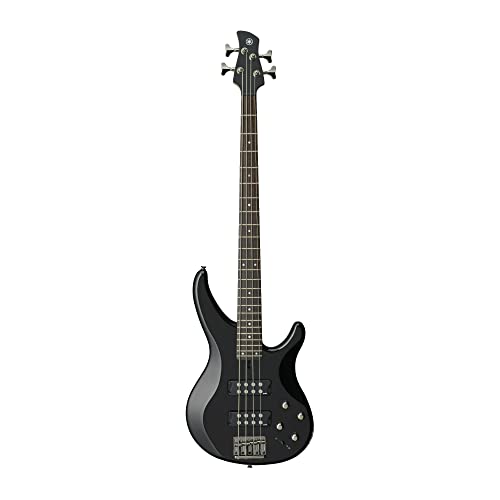
- Four-string bass with active electronics
- Performance EQ for five playing approaches
- Mahogany body and maple/mahogany neck
Best For: Four-string players wanting quick technique-based EQ changes
Best Lightweight Active Bass
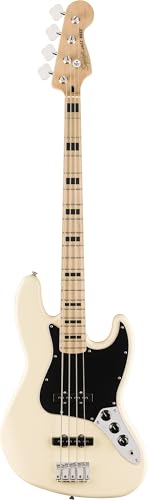
- Lightweight poplar body and slim neck
- 9-volt preamp with bass/treble boost and cut
- Noiseless pickups and four-saddle bridge
Best For: Beginner to intermediate players wanting versatile active tones
Best Beginner Bass Kit
Squier Debut Precision Bass Kit

- Includes bass, Rumble 15 amp, and accessories
- Thin body and comfortable C-shaped neck
- Passive split-coil pickup with punchy tone
Best For: First-time players who want a complete starter setup
Best Extended-Range Active Bass
Headless Five-String Active Bass

- Three active pickups for wide tonal range
- Five-string design adds extended low notes
- Compact headless build with mahogany body
Best For: Modern players needing active versatility and five-string range
Best Value Active Bass
Fender Affinity Active Jazz Bass

- Active 9-volt preamp with bass and treble controls
- Lightweight body and slim “C” neck
- Noiseless pickups with a four-saddle bridge
Best For: Beginners and intermediate players wanting an affordable, flexible active Jazz Bass
Best Headless Design
Leo Jaymz Headless Active Bass

- Balanced headless body for travel and long gigs
- Active EQ with Alnico V pickups
- 24 stainless steel frets and gig bag included
Best For: Players wanting a compact, modern bass for versatile styles and transport
Best Five-String Value
Fender Affinity Active Jazz Bass V

- Five-string design for extended low-end range
- Active preamp with bass and treble boost/cut
- Lightweight body and slim “C” neck
Best For: Players needing five-string versatility in an approachable active bass
Versatile 5-String Pick – Fender Player II Modified Active Jazz Bass V
Fender Player II Modified Active Jazz Bass V - Olympic Pearl with Maple Fingerboard
Check Price On AmazonThe Fender Player II Modified Active Jazz Bass V is a practical choice if you want a bass guitar with active electronics, five-string range, and a clear, articulate tone with versatile growl. Its alder body and maple neck give it a familiar foundation for a wide range of playing styles.
Best For: Players seeking a five-string active Jazz Bass with a versatile, articulate sound.
Pros:
- Five-string layout extends the instrument’s range.
- Active electronics support a clear tone with versatile growl.
- Alder body and maple neck provide a traditional material combination.
- Includes two single-coil pickups.
Cons:
- Its 16.8-pound listed weight may feel substantial for some players.
- Five-string spacing and range may require an adjustment for four-string players.
Choose this model when your priority is a Fender-style five-string bass with active tonal flexibility and a clearly defined sound profile.
Flexible Value Option – Ibanez GSR205BWNF GIO
The Ibanez GSR205BWNF GIO is a straightforward bass guitar with active electronics for players who want five-string range and hands-on tone shaping. Its mahogany body, maple bolt-on neck, and control layout are suited to exploring different musical styles.
Best For: Players who want an accessible five-string bass with active humbucking pickups and adjustable controls.
Pros:
- Five-string design offers extended low-end range.
- Two active humbucking pickups provide a broad tonal starting point.
- Two volume controls, tone control, and EQ knob allow detailed adjustment.
- Listed weight of 10 pounds is relatively manageable.
Cons:
- The right-handed configuration limits suitability for left-handed players.
- It has a 34-inch scale and may not suit players seeking a shorter scale.
This GIO is a sensible fit when control flexibility and five-string capability matter more than premium appointments.
Classic Active Jazz Choice – Classic Vibe Active '70s Jazz Bass V
Classic Vibe Active '70s Jazz Bass V, Maple Fingerboard, Parchment Pickguard, Ocean Turquoise
Check Price On AmazonThe Classic Vibe Active ’70s Jazz Bass V combines five-string range with a 9-volt preamp and an active/passive switch. For shoppers comparing a bass guitar with active electronics, its pickup blend and treble/bass boost controls offer practical ways to shape the sound.
Best For: Players wanting active and passive operation, noiseless Jazz Bass pickups, and onboard EQ controls.
Pros:
- Active/passive switch adds useful operating flexibility.
- Onboard preamp includes volume, tone, pickup blend, and treble/bass boost controls.
- Fender-designed noiseless Jazz Bass pickups help support a clean setup.
- HiMass bridge and maple fingerboard are included in the design.
Cons:
- The active preamp requires a 9-volt battery.
- Its 14.1-pound listed weight may not suit players seeking a lightweight bass.
Consider this model if you want the tonal convenience of active electronics without giving up the option to play in passive mode.
Performance EQ Favorite – Yamaha TRBX304 BL
The Yamaha TRBX304 BL is a four-string bass guitar with active electronics built around a solid mahogany body and five-piece maple/mahogany neck. Its Performance EQ switch provides dedicated settings for slap, pick, flat, finger, and solo playing.
Best For: Four-string players who want quick access to practical EQ voicings for different techniques.
Pros:
- Performance EQ offers settings for slap, pick, flat, finger, and solo play.
- Solid mahogany body provides a stated tonal foundation.
- Five-piece maple/mahogany neck combines both listed neck materials.
- Four-string format keeps the layout familiar for many players.
Cons:
- It does not provide the extended range of a five-string bass.
- The supplied notes do not list included accessories.
This Yamaha makes sense for players who prefer a conventional four-string format and want fast, technique-specific tonal changes from active electronics.
Best Lightweight Active Bass – Affinity Active Jazz Bass
The Fender Affinity Active Jazz Bass is a practical choice for players seeking a bass guitar with active electronics and a comfortable, lightweight design. Its 9-volt preamp adds bass and treble boost/cut controls, while the Squier Noiseless pickups support versatile tone shaping.
Best For: Beginner to intermediate players who want an easy-to-handle four-string bass for varied tones.
Pros:
- Thin, lightweight poplar body
- Slim “C”-shaped maple neck with block inlays
- Active preamp with volume, blend, and bass/treble controls
- Four-saddle bridge supports standard setup adjustments
Cons:
- Requires a 9-volt battery for active electronics
- Right-hand orientation only
This model combines approachable playability with useful active tone controls, making it a flexible option for practice, lessons, and developing players who want more control than a basic passive bass.
Best Beginner Bass Kit – Squier Debut Precision Bass Kit
The Squier Debut Series Precision Bass Kit is an all-in-one starting package, but it is not a bass guitar with active electronics. Its split-coil pickup and volume-and-tone controls deliver punchy P-Bass tones, while the included amp and accessories simplify getting started.
Best For: Complete beginners who need a bass, practice amplifier, and essential accessories in one package.
Pros:
- Includes Rumble 15 amplifier, gig bag, cable, tuner, stand, picks, and extra strings
- Comfortable C-shaped neck and thin, lightweight body
- 30-day Fender Play subscription is included
- Split-coil pickup provides punchy Precision Bass tones
Cons:
- Uses passive pickup electronics rather than active electronics
- Designed as a beginner-focused 3/4-size instrument
This kit offers strong convenience for a first-time bassist, though shoppers specifically seeking active electronics should consider another model in the roundup.
Best Extended-Range Active Bass – Headless Five-String Active Bass
This headless five-string is a feature-rich bass guitar with active electronics, built around three active pickups and an extended low range. Its mahogany body, maple neck, rosewood fingerboard, and compact bridge-mounted tuning system suit players exploring modern performance and recording applications.
Best For: Players who need five-string range, multiple active pickup voices, and a contemporary headless format.
Pros:
- Three active pickups offer broad tonal coverage
- Five-string layout adds a deeper low range
- Headless design reduces overall length for transport and storage
- Mahogany body, maple neck, rosewood fingerboard, and mother-of-pearl inlays
Cons:
- Modern headless design may be less familiar to traditional bass players
- Right-handed configuration
- Five-string format can be more instrument than a beginner needs
With its three-pickup active system and extended range, this bass is aimed at players working in rock, metal, funk, fusion, progressive music, or studio settings where tonal flexibility and a low B string are useful.
Best Value Active Bass – Fender Affinity Active Jazz Bass
The Fender Affinity Active Jazz Bass is a practical choice if you want a bass guitar with active electronics in a lightweight, beginner-friendly package. Its active 9-volt preamp provides bass and treble boost/cut, while the Squier Noiseless pickups support a cleaner, flexible electric-bass sound.
Best For: Beginners to intermediate players seeking an affordable, lightweight active Jazz Bass for practice, rehearsals, and early gigs.
Pros:
- Active 9-volt preamp with volume, blend, and bass/treble controls
- Thin, lightweight poplar body and slim “C”-shaped maple neck
- Squier Noiseless pickups and four-saddle bridge
- Two-year limited warranty
Cons:
- Four-string layout offers less low-end range than a five-string
- Active electronics require a 9-volt battery
- Designed primarily for right-handed players
With its familiar Jazz Bass format, active tone shaping, and manageable construction, this model is a strong value for players who want flexible controls without moving into a heavier or more expensive instrument.
Best Headless Design – Leo Jaymz Headless Active Bass
The Leo Jaymz Headless Bass stands out for players seeking a bass guitar with active electronics, compact travel dimensions, and balanced ergonomics. Its onboard preamp, Alnico V pickups, and active EQ are paired with a headless design intended to reduce neck dive during extended playing.
Best For: Players who prioritize portability, balanced weight, modern ergonomics, and versatile tones for rock, metal, jazz, or funk.
Pros:
- Headless design intended to reduce neck dive and overall weight
- Active EQ with Alnico V pickups for adjustable tone
- 24 stainless steel frets, Richlite fretboard, and 16-inch radius
- Includes a padded gig bag for transport
Cons:
- Six-band EQ and headless hardware may be more specialized than traditional bass layouts
- Six-month warranty is shorter than some competing options
- Its heavy, powerful sound profile may not suit every style
This is a distinctive option for musicians who want a compact, stage-ready instrument with extensive onboard shaping. The fixed headless bridge, glow-in-the-dark side dots, and included gig bag add practical value for travel and low-light performance.
Best Five-String Value – Fender Affinity Active Jazz Bass V
The Fender Affinity Jazz Bass V adds extended low-end range to the active-bass format. Its active 9-volt preamp offers bass and treble boost/cut, while the lightweight poplar body, slim “C”-shaped neck, and Squier Noiseless pickups make it a practical option for players progressing from practice to gigging.
Best For: Bassists who need five-string range and active tone controls in an approachable, lightweight instrument.
Pros:
- Five-string design provides extended low-end range
- Active 9-volt preamp with volume, blend, and bass/treble controls
- Thin poplar body and slim “C”-shaped maple neck
- Five-saddle bridge and Squier Noiseless pickups
Cons:
- Active electronics require a 9-volt battery
- Five-string neck may feel less familiar to four-string beginners
- Designed primarily for right-handed players
For players who want more range without abandoning the familiar Jazz Bass format, the Affinity Active Jazz Bass V offers a useful combination of low-end access, onboard adjustment, and lightweight construction.
How We Picked the Best Bass Guitar with Active Electronics
We selected instruments across a range of prices, designs, and experience levels rather than focusing on one manufacturer or body style. The lineup includes four- and five-string basses, Jazz- and Precision-inspired models, modern headless designs, and beginner-friendly packages with an amplifier.
Our comparisons emphasize the features that matter most in daily use: active EQ flexibility, pickup configuration, neck feel, scale and string count, construction materials, control layout, and overall suitability for practice, recording, rehearsal, or live performance. We also considered whether each bass offers a useful balance between tonal options and straightforward operation.
Quick Comparison
| Best For | Look For |
|---|---|
| Beginners | Comfortable neck, simple controls, and a complete kit or dependable four-string layout |
| Modern versatility | Active three-band EQ, multiple pickups, and a bass/passive switching option |
| Extended range | Five strings, a low B string, and a stable neck with adequate hardware |
| Travel and ergonomics | Headless construction, compact balance, and a secure tuning system |
| Traditional tones | Jazz or Precision-style pickups with active boost and familiar controls |
Key Buying Factors for a Bass Guitar with Active Electronics
Active EQ and Power
Active electronics use a battery-powered preamp to boost or cut frequencies. A three-band EQ typically gives control over bass, midrange, and treble, while simpler systems may offer fewer adjustments. Check battery access and carry a spare, especially for gigs. Some instruments also include passive mode, which can be useful if the battery runs low or you prefer a more traditional response.
Pickup Configuration
J-style single coils can provide articulate note definition and a familiar growl, while split-coil or humbucker-style pickups often deliver thicker output and greater noise resistance. Multiple active pickups expand the available sounds, but more controls can require a longer adjustment period.
Four or Five Strings
Four-string basses are usually lighter, simpler, and easier for beginners to navigate. A five-string model adds a low B string for extended range, making it useful for metal, gospel, modern pop, studio work, and players who prefer fewer position shifts. Confirm that the neck width and string spacing feel comfortable.
Neck, Scale, and Hardware
Most full-size basses use a 34-inch scale, though compact and headless designs may differ. Examine fret access, neck profile, bridge adjustability, tuner quality, and overall balance. A well-balanced instrument can matter as much as its electronics during long rehearsals or performances.
Who Should Buy Which Bass Guitar with Active Electronics?
Beginners should prioritize a comfortable four-string, clear controls, and a reliable setup; a kit can reduce the cost of getting started. Players wanting familiar Fender-style character should consider an active Jazz or Precision-inspired model. Choose a five-string when low-register range is central to your music, not simply because it offers more notes.
For modern players who frequently shape tones at the instrument, look for a Bass Guitar with Active Electronics and a full three-band EQ. Headless models make the most sense for musicians who value compact dimensions, low weight, and a contemporary feel. If you record or perform regularly, prioritize stable tuning, quiet pickups, dependable hardware, and passive bypass capability over cosmetic features.