Choosing among the best banjos for recording means balancing the instrument’s acoustic voice with pickup options, tuning stability, and the demands of your recording space.
This roundup compares 10 five-string banjos across resonator, open-back, beginner, and acoustic-electric designs so you can find the right fit for bluegrass, clawhammer, overdubs, or home-studio tracking.
Best 10 Banjos for Recording Picks for 2026
Best Bluegrass Recording Pick

- Bell Brass tone ring for bright, projecting tone
- Hand-set for low action and accurate intonation
- Hard case included
Best For: Bluegrass recording and players wanting a focused, powerful voice
Best Straightforward Recording Value

- Full-size 5-string banjo design
- Rolled-brass tone ring with Remo head
- 2-year warranty included
Best For: General recording and players seeking a conventional full-size banjo
Best Flexible Recording Set

- Removable resonator offers two tonal approaches
- Pickup and recording-friendly accessories included
- Remo head and sealed geared tuners
Best For: Beginners and players recording bluegrass, folk, or clawhammer parts
Best Classic Resonator Design

- Walnut resonator with basswood block rim
- Remo Weatherking head and rolled tone ring
- Full-size right-handed 5-string format
Best For: Traditional resonator-banjo recording with a projected sound
Best Plug-In Starter Kit
ADM 5-String Acoustic-Electric Banjo

- Piezo pickup for amplified recording and performance
- Bright Remo head with crisp note response
- Complete beginner accessory package
Best For: Beginners and intermediate players needing acoustic-electric flexibility
Best Lightweight Recording Tone
Gold Tone AC-12 Open-Back Banjo

- Bright, punchy 12-inch composite rim
- Hand-set for low action and intonation
- Lightweight 5-pound design with gig bag
Best For: Acoustic recording, clawhammer, and old-time players
Best Adjustable Beginner Option
Vangoa 5-String Resonator Banjo

- Pickup-ready full-size resonator design
- Adjustable truss rod for string height
- Starter bundle includes bag and accessories
Best For: Beginners recording and practicing at home
Best Lightweight Beginner Pick
Gold Tone AC-1 Acoustic Composite Banjo
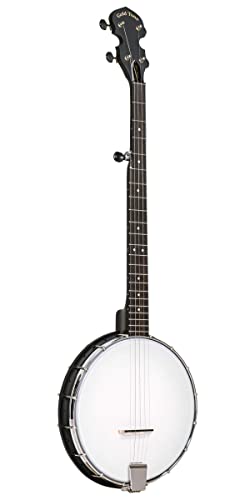
- Lightweight 3.75-pound composite design
- Open-back acoustic construction
- Gig bag and 12-point setup included
Best For: Beginners and portable acoustic recording setups
Best Versatile Resonator Design
Jameson 5-String Banjo with Removable Resonator
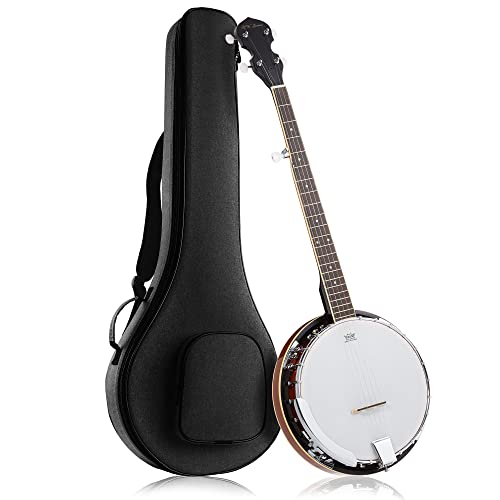
- Removable resonator supports two playing configurations
- Geared fifth tuner for easier control
- Maple and mahogany body with Remo Weatherking head
Best For: Multi-style recording and bluegrass-oriented players
Best All-in-One Recording Kit
AKLOT Full-Size Open-Back Banjo Kit

- All-maple body with bright, clear sound profile
- Remo head and adjustable 18-bracket design
- Includes tuner, accessories, strings, and gig bag
Best For: Beginners wanting a complete home recording setup
Best Bluegrass Recording Pick – Gold Tone OB-150
For players seeking banjos for recording, the Gold Tone OB-150 stands out as a purpose-built bluegrass instrument with a bright, projecting voice. Its Bell Brass tone ring, maple construction, and hand setup support clear articulation, sustain, and dependable intonation.
Best For: Bluegrass players who want a recording-ready banjo with a strong, focused tone and included hard case.
Pros:
- Bell Brass tone ring and 11-inch maple rim deliver bright projection and sustain.
- Hand-inspected setup is intended to provide low action and accurate intonation.
- Includes a hard case and quality hardware such as planetary tuners and a Presto tailpiece.
Cons:
- Its bluegrass-oriented sound may be less suitable for players seeking a softer open-back character.
- At 5.22 kg, it is a substantial instrument for extended transport.
The OB-150 is the most specialized choice here for capturing assertive, clear bluegrass banjo parts. It is especially compelling when projection, sustain, and reliable playability matter more than a minimalist setup.
Best Straightforward Recording Value – Ibanez B200
The Ibanez B200 is a full-size 5-string banjo with a practical combination of a mahogany bowl and neck, basswood rim, rosewood fingerboard, and rolled-brass tone ring. For banjos for recording, it offers a conventional resonator-banjo platform without an overly complicated feature set.
Best For: Players who want a full-size 5-string banjo for general recording, practice, and straightforward bluegrass-style parts.
Pros:
- Full-size 5-string design suits standard banjo playing and recording applications.
- Rolled-brass tone ring, Remo Weatherking head, and basswood rim provide a defined construction package.
- Includes a 2-year warranty.
Cons:
- The supplied notes do not indicate that a case or recording-specific electronics are included.
- At 12.6 pounds, it is relatively heavy to carry.
The B200 is a sensible choice when you want a traditional full-size instrument from an established guitar and string-instrument brand. Its specifications make it a versatile starting point for home or studio banjo tracks.
Best Flexible Recording Set – AKLOT Deluxe 5-String Banjo
The AKLOT Deluxe Set is one of the more adaptable options for banjos for recording because its resonator can be attached or removed. That lets players switch between a more focused, projecting sound and a warmer open-back character, while the included pickup and accessories make it practical for experimenting with recording setups.
Best For: Beginners and multi-style players who want one banjo for bluegrass, folk, clawhammer, practice, and basic amplified recording.
Pros:
- Removable resonator provides two tonal approaches: focused projection or open-back warmth.
- Includes a pickup, tuner, bag, strap, pick, and bridge.
- Remo head, sealed geared tuners, and a stable three-piece Nato neck support consistent everyday use.
Cons:
- The supplied notes do not specify the pickup type or detailed output connections.
- Its broad, beginner-friendly feature set may not match the specialized hardware of a dedicated professional bluegrass banjo.
For home recording, the AKLOT is appealing because it combines tonal flexibility with useful included accessories. It is a particularly practical pick when you want to explore both resonator and open-back sounds without buying two instruments.
Best Classic Resonator Design – Ibanez B300
The Ibanez B300 is a full-size 5-string resonator banjo built around a walnut resonator, basswood block rim, rolled tone ring, and Remo Weatherking head. For banjos for recording, its resonator format is suited to players who want a clear, projected banjo presence in a mix.
Best For: Right-handed players seeking a traditional full-size resonator banjo for bluegrass-oriented recording.
Pros:
- Walnut resonator and basswood block rim provide a conventional resonator-banjo foundation.
- Remo Weatherking head, rolled tone ring, and 24-piece bracket hardware are specified.
- High-gloss finish and full-size construction give it a traditional presentation.
Cons:
- The supplied notes do not mention a case, pickup, or other recording accessories.
- Its 12-pound weight may be less convenient for frequent transport.
The B300 makes sense for players who prefer the focused character and familiar layout of a resonator banjo. Compared with the B200, its walnut resonator and expanded bracket hardware give the specification a more traditional resonator emphasis.
Best Plug-In Starter Kit – ADM 5-String Acoustic-Electric Banjo
For players comparing banjos for recording, the ADM 5-string acoustic-electric kit offers a practical way to capture acoustic tone while adding amplifier-ready volume control. Its included accessories also make it convenient for beginners and developing players.
Best For: Beginners and intermediate players who want an acoustic-electric banjo with recording, practice, and performance flexibility.
Pros:
- Built-in piezo pickup and 3.5 mm jack support amplified use while retaining an acoustic character.
- Remo frosted head delivers a crisp, bright sound with a clear snap.
- Includes a bag, tuner, strap, strings, picks, hanger, cleaning cloth, and access to an extra one-month lesson.
- Thickened bag and durable sapele construction support transport and regular use.
Cons:
- The digital tuner does not include a battery.
- At 8 pounds, it is heavier than the 5-pound Gold Tone AC-12.
- The kit may include more accessories than experienced players need.
This is a versatile choice when you want one banjo for acoustic practice and amplified recording or performance. The pickup, bright Remo head, and complete starter package add useful flexibility.
Best Lightweight Recording Tone – Gold Tone AC-12 Open-Back Banjo
Among banjos for recording, the Gold Tone AC-12 stands out for its bright, punchy open-back voice and crisp note separation. Hand setup, a 12-inch composite rim, and a lightweight design make it an appealing option for detailed bluegrass, clawhammer, and old-time parts.
Best For: Players seeking a lightweight open-back banjo with a clear, punchy sound for acoustic recording.
Pros:
- 12-inch composite rim produces bright, punchy tone with crisp note separation.
- Hand-set in Gold Tone’s Florida workshop for low action and accurate intonation.
- At 5 pounds, it is relatively easy to handle and transport.
- Includes a gig bag and offers a transferable five-year warranty.
Cons:
- Its open-back design may provide less projection than a resonator banjo for some uses.
- The package includes a gig bag but not the larger accessory bundle supplied with the ADM kit.
- The bright, punchy profile may not suit players seeking a warmer tone.
The AC-12 is a focused recording choice for players who value separation, low weight, and a ready-to-play setup. Its open-back construction is especially well matched to clawhammer and old-time arrangements.
Best Adjustable Beginner Option – Vangoa 5-String Resonator Banjo
For shoppers seeking banjos for recording, the Vangoa 5-string resonator model combines a Remo head with a bright, sweet sound and an included pickup. Its adjustable truss rod and beginner-focused accessories make it a practical entry point for home recording and practice.
Best For: Adult and teenage beginners who want a full-size resonator banjo with adjustable string height and pickup capability.
Pros:
- Remo head supports a sweet tone and allows additional percussive timbres when tapped.
- Truss rod enables string-height adjustment for a more comfortable setup.
- Closed-back resonator design and included pickup provide recording and amplified-use flexibility.
- Includes a bag, tuner, strap, pickup, strings, and picks.
Cons:
- The notes do not specify a manufacturer warranty duration.
- Its 2,820-gram weight is less portable than the Gold Tone AC-12.
- The included guitar tuner may be less specialized than a dedicated banjo tuner.
The Vangoa offers useful setup adjustability and a generous accessory bundle at the beginner level. It is a sensible option when a player wants resonator construction and pickup support without buying accessories separately.
Best Lightweight Beginner Pick – Gold Tone AC-1 Acoustic Composite Banjo
For shoppers comparing banjos for recording, the Gold Tone AC-1 is a practical acoustic option when low weight and straightforward playability matter. Its composite open-back design, Remo frosted head, and included gig bag make it easy to transport and start using.
Best For: Beginners, portable acoustic recording setups, and players who prefer an open-back banjo.
Pros:
- Lightweight composite body weighs about 3.75 pounds.
- Open-back construction suits acoustic folk and clawhammer-oriented playing.
- Includes a gig bag and Gold Tone 12-point setup.
- Zero-glide nut system supports a beginner-friendly setup.
Cons:
- Open-back construction provides less projection than a resonator-style design.
- Composite construction may appeal less to players seeking an all-wood instrument.
The AC-1 is a sensible entry point for recording banjo parts without carrying a heavier instrument. Its acoustic operation and open-back format make it especially suitable for intimate, natural-sounding arrangements.
Best Versatile Resonator Design – Jameson 5-String Banjo with Removable Resonator
Jameson Guitars 5-String Banjo 24 Bracket with Closed Solid Back and Geared 5th Tuner
Check Price On AmazonFor banjos for recording that can cover multiple traditional styles, this Jameson 5-string model offers a flexible removable resonator. Its maple and mahogany construction, Remo Weatherking head, and geared fifth tuner give it a feature set suited to players building a more substantial acoustic setup.
Best For: Players recording bluegrass, clawhammer, folk, country, or rock who want open-back and closed-back flexibility.
Pros:
- Removable resonator allows open-back or closed-back playing.
- Maple and mahogany construction is designed for a rich, distinctive tone.
- Geared fifth tuner offers more control than typical friction tuners.
- Includes a deluxe 15mm padded gig bag.
Cons:
- At 5.9 pounds, it is heavier than the lightweight composite option.
- The 90-day limited warranty is relatively short.
This model stands out when recording needs vary from bright, projecting passages to more open and direct banjo textures. The removable resonator gives it useful flexibility without requiring two separate instruments.
Best All-in-One Recording Kit – AKLOT Full-Size Open-Back Banjo Kit
If you want banjos for recording with setup accessories included, the AKLOT full-size 5-string kit is a convenient choice. It combines an all-maple body, Remo head, adjustable brackets, and a two-way truss rod with a tuner, spare strings, picks, strap, tools, cleaning cloth, and gig bag.
Best For: New beginners and home recordists who want a complete banjo package with a bright, clear sound profile.
Pros:
- All-maple construction is specified for a bright, clear sound.
- Open-back design and Remo head support a professional-style acoustic setup.
- Adjustable 18-bracket head and two-way truss rod offer setup control.
- Includes tuner, strings, picks, strap, tools, cleaning cloth, and gig bag.
Cons:
- At 8.2 pounds, it is the heaviest option in this group.
- The head may require repeated adjustment to achieve the desired sound.
- Its bright tonal profile may not suit recordings seeking a darker banjo character.
The AKLOT is appealing when convenience matters as much as the instrument itself. Its included accessories reduce the need for separate purchases, while the adjustable hardware gives developing players room to refine the setup for recording.
How We Picked the Best Banjos for Recording
We evaluated these instruments by focusing on the factors that matter when a banjo must sound consistent under microphones or through an interface. The selection includes traditional resonator banjos for projection, open-back models for a warmer and more controlled voice, and beginner packages that add useful accessories without requiring separate purchases.
Our criteria included construction materials, tone-ring and head specifications where provided, five-string layout, fifth-string tuner design, setup flexibility, included case or gig bag, and overall suitability for studio or home recording. Acoustic-electric models received additional consideration for direct tracking and amplified performance.
Quick Comparison
| Best For | Recommended Type | Why It Makes Sense |
|---|---|---|
| Traditional bluegrass | Resonator banjo | Strong projection, brightness, and focused low-end response |
| Clawhammer and folk | Open-back banjo | More relaxed attack and less reflected volume |
| Direct recording | Acoustic-electric banjo | Connects to an amplifier or interface with less microphone dependence |
| First recording instrument | Beginner kit | Includes accessories such as a tuner, picks, strap, or extra strings |
| Maximum tonal authority | Premium tone-ring model | More detailed response and stronger articulation for demanding sessions |
Key Buying Factors for Banjos for Recording
Resonator or Open Back
A resonator projects sound forward and usually delivers the cutting, articulate response associated with bluegrass. It can work well in a full-band arrangement, but its extra volume may require more careful microphone placement. Open-back banjos tend to sound less forceful and can be easier to blend with vocals, acoustic guitars, and quieter folk arrangements.
Acoustic Tone and Microphone Choice
For a microphone-based recording, prioritize a stable, balanced acoustic voice over raw volume. A bright banjo can help notes remain distinct in a dense mix, while a warmer model may be easier to capture in a reflective room. If possible, record a short test from several angles before committing to a full take.
Pickup and Direct Output
An acoustic-electric model offers convenience for live use and direct recording, but a pickup does not automatically replace a good microphone. Check whether the onboard electronics include an equalizer or volume control, and expect to shape the signal with an interface, preamp, or plug-in.
Setup and Tuning Stability
Geared fifth-string tuners, reliable tuning machines, a properly fitted bridge, and a consistent head tension all help prevent retakes. Beginner instruments may need an initial setup for action, intonation, and head adjustment. Budget for professional setup if recording accuracy is a priority.
Included Accessories and Portability
A case or gig bag protects the instrument between sessions. Kits that include a tuner, picks, strap, wrench, or spare strings can be practical, especially for new players, but accessory quantity should not outweigh neck comfort and structural quality.
Who Should Buy Which Banjos for Recording?
Bluegrass players and experienced pickers: Choose a resonator model with strong projection and a focused tone, especially when the banjo must hold its place among guitars, mandolin, and fiddle.
Clawhammer, folk, and intimate studio performers: An open-back banjo is often the more controllable choice, particularly in small rooms or arrangements where excessive brightness can overwhelm the mix.
Beginners building a recording setup: A full-size kit can offer better value when it includes essential accessories, but confirm that the neck feels comfortable and that replacement parts are readily available.
Players who need flexible amplification: Consider an acoustic-electric model for quick direct connections, rehearsals, and live work, while retaining microphone recording as an option for the most natural sound.