The best cajons for recording deliver a balanced bass pulse, articulate snare response, and controlled projection without overwhelming microphones or nearby instruments. This roundup compares 10 options for acoustic sessions, home studios, rehearsals, and live performance.
Consider pickup systems, string adjustability, construction, port placement, and overall portability before choosing. The right cajon should match both your recording setup and the sound you want to capture.
Best 10 Cajons for Recording Picks for 2026
Best Amplified Cajon

- Factory-installed passive Piezo pickups
- Separate snare and bass controls
- Forward-facing port for fuller bass
Best For: Recording and amplified performances
Best Portable Recording Cajon

- Adjustable internal guitar strings
- Birchwood body with bass sustain
- Padded travel bag included
Best For: Mic’d acoustic sessions and jam sessions
Best Bass-Heavy Cajon

- Deep bass from a rear port
- Adjustable micro-coiled snare strings
- Warm hardwood playing surface
Best For: Bass-forward acoustic recordings
Best Compact Cajon

- Compact birchwood construction
- Internal guitar strings for rhythmic tone
- Rubber feet reduce vibration
Best For: Small recording spaces and beginners
Best for Amplified Recording

- Three internal piezo pickups
- Built-in volume and tone controls
- Baltic birch with fixed steel snares
Best For: Amplified recording and larger ensembles
Best for Deep Low End
Meinl Jumbo Bass Subwoofer Cajon

- Jumbo body for subwoofer-style bass
- Forward-facing sound ports
- Steel snares add crisp attack
Best For: Bass-forward acoustic recording
Best for Comfortable Sessions

- Lap-positioned playing surface
- Walnut bass and snare zones
- Forward-facing bass port
Best For: Comfort-focused home recording
Best Adjustable Starter
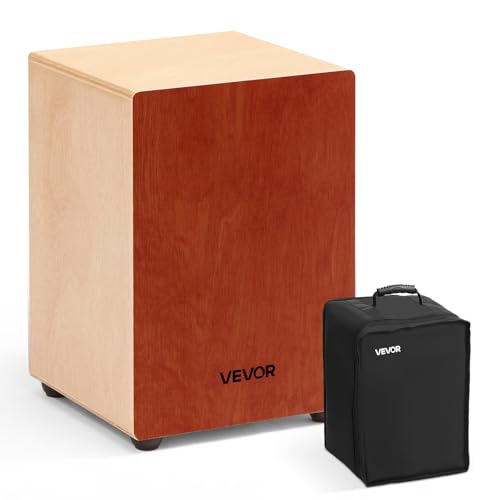
- Responsive birch construction
- Adjustable internal guitar strings
- Includes bag and seat cushion
Best For: Beginners and mobile recording setups
Best Compact European-Made Pick

- Baltic birch construction
- Fixed steel snare wires
- Rear port aids projection and mic placement
Best For: Compact acoustic recording and practice
Best Electric Full-Size Option
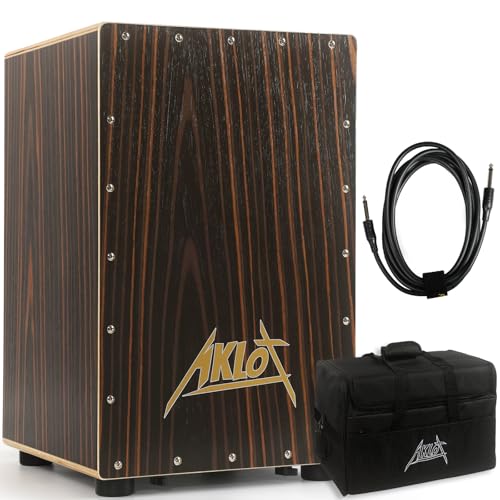
- Full-size 18-inch playing height
- Tool-free adjustable snare tuning
- Includes padded protective gig bag
Best For: Adult performers and stage-oriented setups
Best Amplified Cajon – Meinl Pickup Slaptop
For cajons for recording where you need direct control over volume and tone, the Meinl Pickup Slaptop stands out with factory-installed passive Piezo pickups. Its walnut playing surface provides bass and snare zones, while the forward-facing port helps project the low end acoustically.
Best For: Recording setups, amplified performances, and players who need to blend bass and snare signals through a PA or amplifier.
Pros:
- Built-in pickups provide separate snare and bass controls without batteries.
- Forward-facing bass port helps project fuller low frequencies.
- Walnut playing surface offers deep bass and crisp snare tones.
- Includes a two-year Meinl warranty.
Cons:
- Quarter-inch cable is not included.
- Heavier and more specialized than a basic acoustic cajon.
This is the most recording-focused option in the group if you want a cajon signal that can be sent directly to amplification. It is especially practical when an acoustic cajon would not provide enough volume or consistency in a larger mix.
Best Portable Recording Cajon – Donner Full-Size Cajon
The Donner Full-Size Cajon is a practical choice for cajons for recording when you want a traditional acoustic sound and easy transport. Its birchwood body uses internal adjustable guitar strings to produce a sharp slap, sustained bass, and adjustable rhythmic response.
Best For: Acoustic recording, jam sessions, and musicians who need a full-size cajon with a protective travel bag.
Pros:
- Internal strings can be adjusted with the included Allen wrench.
- Birchwood construction provides a clear attack and varied slap tones.
- Speaker-cabinet-style hall section enhances bass depth and sustain.
- Includes a padded nylon bag for transport and storage.
Cons:
- It has no built-in pickup or output for direct connection to recording equipment.
- At 9.9 pounds, it is portable but not ultralight.
Choose this model if your recording setup uses microphones and you want a conventional acoustic cajon sound. The adjustable strings and included bag add flexibility for players who move between rehearsals, sessions, and live acoustic jams.
Best Bass-Heavy Cajon – Meinl Backbeat Bass
For cajons for recording that emphasize a strong low end, the Meinl Backbeat Bass combines a permanently secured rear port with adjustable micro-coiled steel strings. Its hardwood frontplate responds to different playing dynamics, giving microphones a warm bass foundation and crisp snare effect.
Best For: Bass-forward acoustic recordings, worship music, outdoor sessions, and players who want adjustable snare tension.
Pros:
- Ported sound hole produces an extra-deep, thumpy bass tone.
- Two sets of adjustable strings allow control over the snare effect.
- Hardwood frontplate supports warm tone and dynamic response.
- Silicone feet reduce vibration and help stabilize the cajon.
Cons:
- At 11 pounds in the product specifications, it is relatively substantial for transport.
- The permanently secured port cannot be adjusted.
- It does not include a pickup or direct output.
This model makes sense when the recorded part needs more thump than a standard compact cajon typically provides. Its adjustable snare strings also let you fine-tune the balance between bass weight and rhythmic definition before recording.
Best Compact Cajon – Pyle Stringed Jam Cajon
The Pyle Stringed Jam Cajon is a straightforward option for cajons for recording when space, portability, and ease of use matter. Its handcrafted birchwood construction and internal guitar strings provide a smooth rhythmic sound, while rubber-capped feet help reduce unwanted vibration.
Best For: Compact home recording spaces, beginners, casual acoustic sessions, and players of different ages.
Pros:
- Compact 12-by-12-by-18-inch design is easy to carry.
- Internal guitar strings add a smooth rhythmic response.
- Rubber-capped feet help buffer vibrations during playing.
- Designed for use by children and adults.
Cons:
- It has no pickup or direct recording output.
- Its compact design may provide less projection than larger cajons.
- Only a one-year warranty is listed.
This is a sensible entry-level choice for close-miked recording, practice, or small acoustic arrangements. Its light, compact format is convenient, though players seeking maximum low-end projection or amplified connectivity may prefer a larger or pickup-equipped model.
Best for Amplified Recording – Meinl Pickup Snarecraft Cajon
For cajons for recording that need to hold their own in a larger mix, the Meinl Pickup Snarecraft adds built-in amplification without requiring batteries. Its three internal piezo pickups let you send the snare and bass zones to an amp or PA while retaining a playable acoustic tone.
Best For: Players recording or performing with amplified ensembles who need adjustable volume and tone.
Pros:
- Three factory-installed pickups provide separate coverage for snare and bass areas.
- Volume and tone controls help shape the amplified signal.
- Baltic birch construction and fixed coiled steel snares support a clear, precise sound.
- Two-year warranty and no batteries required for the pickup system.
Cons:
- Quarter-inch cable is not included.
- More complex and less minimal than a purely acoustic cajon.
This is the strongest choice of the three when direct connection to recording or sound equipment is central to your setup. The pickup system adds flexibility, while the acoustic construction means you can still play it unplugged.
Best for Deep Low End – Meinl Jumbo Bass Subwoofer Cajon
If you want cajons for recording with a pronounced low end, the Meinl Jumbo Bass Cajon uses a large body, internal bass-reflex channels, and forward-facing ports to produce deep subwoofer-style bass. Its steel snares add crisp detail so the sound does not rely on lows alone.
Best For: Acoustic recordings and sessions where a controlled, full bass presence is more important than electronic connectivity.
Pros:
- Jumbo design delivers deeper bass than a traditional cajon.
- Forward-facing sound ports project the low end toward listeners or microphones.
- Two fixed sets of steel snares provide crisp, snappy high tones.
- Silicone feet help stabilize the cajon and reduce unwanted vibration.
Cons:
- No connector or built-in pickup system for direct amplified output.
- The 17-pound jumbo body is less portable than a standard-sized cajon.
Choose this model when the recording goal is a naturally large, bass-forward cajon sound. It offers strong acoustic projection and tonal contrast, but microphone placement will be your primary recording connection.
Best for Comfortable Sessions – Meinl Turbo Slaptop Cajon
For cajons for recording that are comfortable during longer takes, the Meinl Turbo Slaptop places the playing surface in your lap instead of requiring you to lean over a conventional box. Its walnut surface separates bass and snare zones, while the forward port projects the low end.
Best For: Home studios, casual players, and extended recording sessions where playing position matters.
Pros:
- Lap-oriented design reduces the need to lean forward while playing.
- Walnut surface produces bass in the center and snare tones on the sides.
- Forward-facing bass port helps project a fuller low end.
- Modern composite body and silicone feet support stable everyday use.
Cons:
- No pickup or connector for direct recording or amplification.
- Its nontraditional layout may require an adjustment period for standard cajon players.
This is a practical acoustic option when comfort and clear hand-position separation are priorities. It is not the direct-output choice, but its bass and snare layout can provide a straightforward source for microphone-based recording.
Best Adjustable Starter – VEVOR Birch Cajon
For shoppers comparing cajons for recording, the VEVOR Cajon Box Drum offers a balanced birch-wood sound with adjustable internal guitar strings. Its portable design, included bag, and seat cushion make it a practical option for home sessions, rehearsals, or mobile recording setups.
Best For: Beginners and players who want an adjustable, portable cajon with a warm bass response and clear highs.
Pros:
- Birch construction delivers responsive playing with warm bass and clear highs.
- Internal strings can be adjusted with the included hex wrench.
- Silicone feet help stabilize the drum and prevent scratches.
- Includes a carrying bag, seat cushion, and hex wrench.
Cons:
- At 10 pounds, it is heavier than some compact cajons.
- No warranty is specified in the supplied details.
The VEVOR is a flexible pick when tuning control and included accessories matter. Its balanced sound profile should suit varied styles, while the adjustable strings let you refine the response for your recording environment.
Best Compact European-Made Pick – Meinl Jam Cajon
The Meinl Jam Cajon is a compact choice for cajons for recording, especially when you need clear bass and snare tones in a smaller setup. Its Baltic birch body, rear sound port, and fixed snare wires are suited to acoustic sessions, practice, and simple microphone placement.
Best For: Acoustic performers, beginners, and home recordists who want a compact cajon with defined snare articulation.
Pros:
- Made in Europe from 100% Baltic birch.
- Two fixed sets of steel snare wires provide crisp, snappy tones.
- Rear sound port supports projection and offers a convenient microphone-placement area.
- Silicone feet help reduce vibration on different surfaces.
Cons:
- Its compact 15-inch height may be less comfortable for some adults.
- The snare wires are fixed rather than user-adjustable.
- No carrying bag is listed among the included components.
The Meinl stands out for a straightforward, mic-friendly design and a prominent low-and-high sound profile. It is a sensible choice when portability and crisp snare tone take priority over tuning customization.
Best Electric Full-Size Option – AKLOT Electric Cajon
For players seeking cajons for recording with a larger playing surface and electronic flexibility, the AKLOT Electric Cajon is designed for stage performance and acoustic jam sessions. Its full-size 12-by-12-by-18-inch body includes adjustable snares, rubber feet, and a padded gig bag.
Best For: Adult players and performers who want a full-size cajon with adjustable snare tuning and electric functionality.
Pros:
- Full-size design provides a more comfortable adult playing height.
- Adjustable tuning button allows snare-sound changes without a wrench.
- Includes a 12mm padded nylon protective bag.
- Rubber feet help keep the cajon stable while playing.
Cons:
- The supplied details do not specify the electronic connection or output features.
- Its 18-inch height may be less convenient for compact travel setups.
- The supplied description lists ebony wood, while the title references betula wood; verify the exact construction before purchase.
The AKLOT is the most performance-oriented option here, combining a full-size body with accessible snare adjustment and a protective bag. Confirm the electronic features and material details if those specifications are central to your recording setup.
How We Picked These Cajons for Recording
We focused on features that matter when a cajon is used with microphones, acoustic instruments, or a direct-output setup. The lineup includes full-size and compact designs, internal snare systems, adjustable strings, bass-focused models, forward-facing sound ports, and pickup-equipped options. We also considered construction materials, playing-surface feel, portability, warranty coverage where listed, and whether each cajon can serve beyond basic practice.
Because recording environments vary, there is no single best choice for every player. A cajon that produces powerful low end in a room may need careful microphone placement, while a compact model may sit more easily in a dense acoustic mix.
Quick Comparison
| Best For | Features to Prioritize | Models to Consider |
|---|---|---|
| Direct recording or live amplification | Built-in pickup, reliable output, controllable tone | Pickup-equipped Meinl models and the AKLOT electric-acoustic option |
| Balanced acoustic studio tracks | Internal snares, birch or Baltic birch construction, responsive playing surface | Meinl Snarecraft and standard Meinl cajon models |
| Deep bass and singer-songwriter sessions | Large resonant body, bass-oriented voicing, ported sound hole | Meinl Bass Cajon and Backbeat Bass Cajon |
| Budget practice, jams, or first-time buyers | Full-size body, straightforward string design, manageable price | Donner, VEVOR, and Pyle options |
Key Buying Factors for Cajons for Recording
Sound Balance and Snare Control
Listen for separation between the bass area near the center and the sharper snare response near the upper playing surface. Adjustable strings are useful when you need to reduce buzz, tighten articulation, or adapt the cajon to different microphones and arrangements.
Pickup Versus Microphones
A pickup can simplify live recording, monitoring, and amplification, but it does not replace the natural character captured by a microphone. Pickup models are especially practical for performances or quick demos; acoustic-only designs may offer a more open room sound when miked properly.
Body Construction and Port Placement
Baltic birch, birch, and other wood constructions can produce different levels of attack, warmth, and resonance. A front- or forward-projecting port may help direct sound toward the audience or microphone, while a rear port may require more attention to placement and room reflections.
Size, Comfort, and Practical Setup
Full-size cajons generally provide more bass and a comfortable playing height, but they are less convenient to transport. Check the seat height, rubber feet, carrying needs, and the instrument’s weight if you expect to record in multiple locations.
Who Should Buy Which Cajons for Recording?
Choose a pickup-equipped Meinl or AKLOT model if you need fast connection to an amplifier, interface, or PA. Pick a standard Meinl or Donner cajon for a versatile acoustic instrument that can cover rehearsals, songwriting, and microphone-based recording. Bass-focused players should look at the Meinl Bass or Backbeat Bass designs. Pyle and VEVOR are practical starting points for casual sessions, travel, and buyers who want a basic internal-string cajon without a complex setup.
Before buying, confirm the listed dimensions, output connections, warranty details, and return policy. For studio use, prioritize the cajon whose tone naturally fits your arrangement; reducing unwanted resonance at the source is usually easier than fixing it later.