If you want a controller that keeps playing even when your laptop does not, standalone mode is the feature to look for. It gives DJs a faster setup, fewer failure points, and a more flexible way to mix anywhere.
In this roundup, we focus on the best DJ controllers with standalone mode for 2026, from compact portable systems to club-style all-in-ones built for serious performance.
Best 10 Dj Controllers with Standalone Mode Picks for 2026
Club-Ready All-in-One
Pioneer DJ XDJ-RX3 for USB and Pro-Style Sets

- Standalone USB playback with no laptop needed
- 10.1-inch touchscreen and CDJ-style layout
- Beat FX, Sound Color FX, and 16 pads
Best For: DJs who want a club-standard standalone controller for home, mobile, and small gigs
Portable Streaming Power
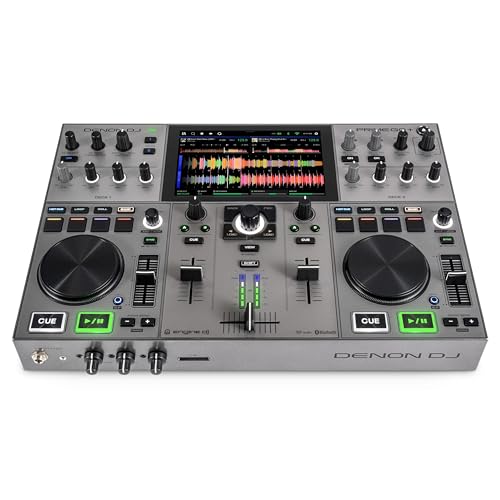
Denon DJ PRIME GO+ for Battery-Powered Sets
- Battery-powered standalone DJ controller
- Built-in Wi-Fi for supported streaming services
- Engine DJ OS with sampler, Touch FX, and analysis
Best For: Mobile DJs and traveling performers who want compact standalone streaming power
Speaker-Equipped Starter Deck
Numark Mixstream Pro with Built-In Sound

- Standalone playback from SD, USB, or supported streaming
- Built-in speakers with dedicated volume control
- 7-inch touchscreen and smart lighting support
Best For: Beginner and casual DJs who want a ready-to-play standalone system
Beginner-Friendly Hybrid
Pioneer DJ DDJ-FLX4 for Easy Learning
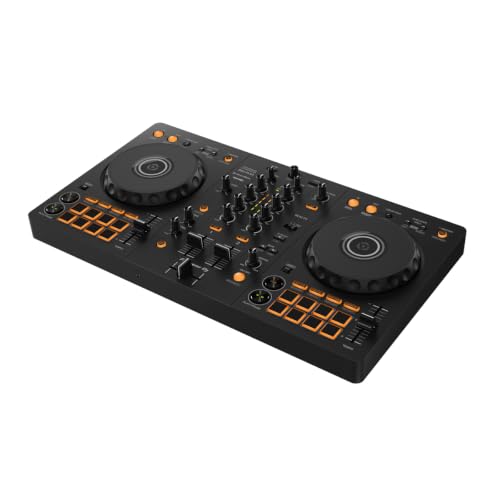
- Simple 2-channel layout with 16 performance pads
- Smart Fader helps with easy blends
- Works with PC, Mac, iPhone, iPad, Android
Best For: New DJs who want a portable controller for learning and streaming
Standalone streaming powerhouse
Denon DJ SC LIVE 4 Black standalone controller
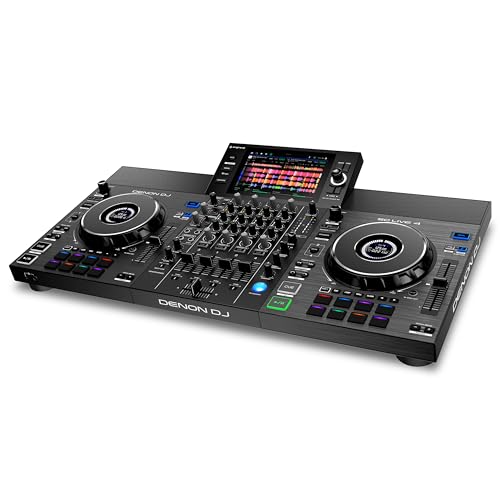
- Engine DJ OS supports laptop-free performance.
- Wi-Fi streaming and SD/USB inputs add flexibility.
- Built-in speakers and stems boost practice and play.
Best For: Mobile, streaming, and club DJs who want an all-in-one standalone controller
Serato performance mixer
Roland DJ-505 two-channel Serato controller

- Standalone mixer mode works with external decks.
- TR drum machines and 16-step sequencer add creativity.
- Serato DJ Pro and Tool Kit license are included.
Best For: Serato DJs who want mixer-only standalone use plus drum-machine performance tools
White standalone showpiece
Denon DJ SC LIVE 4 White standalone controller
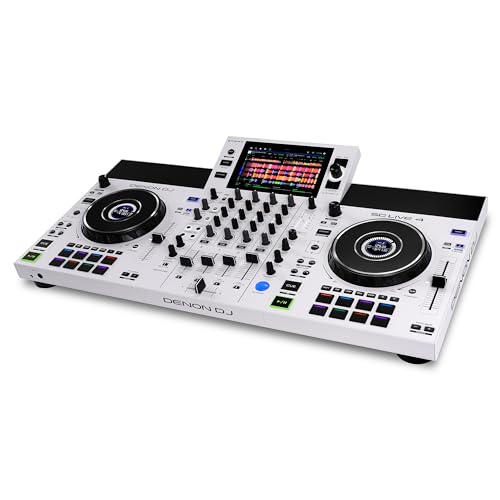
- 4-channel Engine DJ OS supports laptop-free sets.
- Wi-Fi streaming and built-in speakers aid practice and play.
- Serato DJ Pro and Virtual DJ compatibility expand options.
Best For: DJs wanting the SC LIVE 4 platform in a white finish for mobile and booth use
Standalone Club Workhorse
Reloop Mixon 8 Pro 4-Channel DJ Controller

- Built-in standalone mixer with level meters
- 2x Phono and 4x Line inputs for hybrid setups
- Dual USB audio interface for easy DJ handoffs
Best For: DJs needing a feature-rich 4-channel controller with hybrid standalone mixing
Portable Four-Deck Starter
Roland DJ-202 Compact DJ Controller

- Built-in TR-808, TR-909, and TR-606 drum kits
- 16-step sequencer for on-the-fly beat creation
- Compact, rugged, and lightweight for easy transport
Best For: DJs who want portable four-deck control with onboard beat-making tools
Beginner Streaming Pick
AlphaTheta Pioneer DJ DDJ-FLX2 2-Channel Controller

- Smart Fader handles beatmatching automatically
- Streams from apps like rekordbox and djay
- USB-C bus power keeps it highly portable
Best For: Beginners wanting a lightweight, streaming-friendly controller for quick setup
Club-Ready All-in-One – Pioneer DJ XDJ-RX3 for USB and Pro-Style Sets
If you want dj controllers with standalone mode that feel close to a club booth, the Pioneer DJ XDJ-RX3 is a strong pick. It runs prepared rekordbox sets from USB without a laptop, while its 10.1-inch touchscreen and CDJ-style layout make it easier to adapt if you already know Pioneer gear.
Best For: DJs who want a club-standard standalone controller for home practice, mobile gigs, and small venues.
Pros:
- Standalone 2-channel design plays prepared rekordbox sets from USB drives.
- 10.1-inch touchscreen and familiar CDJ-style layout support an easy workflow.
- Includes Beat FX, Sound Color FX, and 16 Performance Pads for live creativity.
- Hardware unlocks rekordbox Performance mode and also supports Serato DJ Pro computer control.
Cons:
- At 21 pounds, it is not the lightest option for frequent transport.
- It is geared toward a two-channel workflow rather than a more complex multi-deck setup.
The XDJ-RX3 is one of the most polished options if you want standalone convenience without giving up a pro-feeling layout. It is especially appealing for DJs who want to build skills on gear that translates well to real-world booth setups.
Portable Streaming Power – Denon DJ PRIME GO+ for Battery-Powered Sets
For DJs comparing dj controllers with standalone mode, the Denon DJ PRIME GO+ stands out for portability and streaming. It is battery-powered, runs on Engine DJ OS without a laptop, and adds built-in Wi-Fi so you can access supported streaming libraries while you perform.
Best For: Mobile DJs and traveling performers who want a compact standalone system with streaming access.
Pros:
- Battery-powered standalone design supports laptop-free performances on the move.
- Built-in Wi-Fi and streaming support reach over 100 million tracks across major services.
- Engine DJ OS includes onboard analysis, an embedded sampler, Touch FX, and wireless updates.
- Flexible media support includes SD card and USB input plus balanced XLR and booth outputs.
Cons:
- The compact format may feel less spacious than larger all-in-one systems.
- Advanced features like stems rely on preparing tracks in Engine DJ Desktop first.
The PRIME GO+ is a strong choice if portability matters as much as performance features. It packs a lot into a small footprint, making it especially useful for DJs who need standalone flexibility in unpredictable settings.
Speaker-Equipped Starter Deck – Numark Mixstream Pro with Built-In Sound
The Numark Mixstream Pro is a practical pick if you want dj controllers with standalone mode that are ready to play right away. It includes onboard speakers, a 7-inch touchscreen, and wireless access to streaming services, so you can mix without adding extra gear.
Best For: Beginner and casual DJs who want an easy standalone controller with built-in speakers and streaming.
Pros:
- Standalone operation works from SD, USB, or supported online libraries.
- Onboard speakers with dedicated volume control make quick practice easy.
- 7-inch touchscreen and Engine DJ integration simplify browsing and mixing.
- Supports wireless smart lighting control through Philips Hue.
Cons:
- It is a two-channel controller, so it stays focused on simpler set structures.
- Battery-free corded power means it is less mobile than battery-powered standalone units.
Mixstream Pro is especially appealing for DJs who want an all-in-one setup that keeps setup time low. The built-in speakers and streaming support make it a convenient option for practice sessions and smaller home setups.
Beginner-Friendly Hybrid – Pioneer DJ DDJ-FLX4 for Easy Learning
The Pioneer DJ DDJ-FLX4 is not a standalone unit, but it is still worth considering if you want a simple controller that can grow with you before moving into dj controllers with standalone mode. Its lightweight design, built-in sound card, and support for multiple devices make it an easy entry point for learning the basics.
Best For: New DJs who want an affordable, portable controller for learning and streaming-based mixing.
Pros:
- User-friendly 2-channel layout with 16 Performance Pads for core DJ techniques.
- Smart Fader helps blend tracks by automatically adjusting volume, bass, and BPM.
- Works with PC, Mac, iPhone, iPad, Android, and supported DJ apps.
- Built-in sound card and Bluetooth/USB connectivity make setup flexible.
Cons:
- It does not offer standalone playback from USB or onboard media sources.
- Its feature set is aimed more at learning than at pro standalone booth work.
The DDJ-FLX4 is best viewed as a learning tool rather than a standalone performance system. If you want an easy way to start mixing now and later step up to a standalone setup, it makes a lot of sense.
Standalone streaming powerhouse – Denon DJ SC LIVE 4 Black standalone controller
If you want dj controllers with standalone mode that can handle laptop-free sets, the Denon DJ SC LIVE 4 is built around Engine DJ OS, onboard storage options, and a 7-inch touchscreen. It also adds Wi-Fi streaming, built-in speakers, and stems support, so it suits DJs who want a flexible all-in-one setup for practice, mobile gigs, and streaming-friendly performances.
Best For: Mobile, streaming, and club DJs who want a standalone controller with built-in speakers and wireless music access.
Pros:
- Standalone Engine DJ OS lets you perform without a computer.
- Wi-Fi streaming supports major services like Apple Music, TIDAL, Beatport, and SoundCloud Go+.
- Built-in speakers make it easier to practice, preview tracks, or play small setups.
- Standalone stems support adds vocal, melody, bass, and drum separation.
Cons:
- Stems require pre-rendering in Engine DJ Desktop and a one-time software license purchase.
- Its feature set may be more than casual users need.
- The 13.6-pound build is not ultra-light for frequent carry.
Overall, the SC LIVE 4 is a strong choice if you want a standalone controller that combines streaming, performance tools, and booth-friendly connectivity in one unit.
Serato performance mixer – Roland DJ-505 two-channel Serato controller
For buyers comparing dj controllers with standalone mode, the Roland DJ-505 stands out for a different reason: its mixer can operate standalone when you connect turntables or multi-players to the line and phono inputs. It pairs that flexibility with Serato DJ Pro, four-deck control, and Roland TR drum machines, making it a performance-focused controller rather than a full standalone media player.
Best For: Serato DJs who want standalone mixer functionality plus pads, sequencer tools, and drum-machine performance features.
Pros:
- Standalone mixer functionality works with external players or turntables.
- Built-in TR-909, TR-808, TR-707, and TR-606 drum machines add performance depth.
- Eight pads and a 16-step sequencer support cues, samples, and rhythm control.
- Serato DJ Pro and a Tool Kit license are included.
Cons:
- It is a two-channel controller, not a full four-channel standalone system.
- Standalone mode is mixer-focused, so it still depends on external sources.
- It lacks the wireless streaming and onboard speaker features of newer all-in-one units.
The DJ-505 makes the most sense if you want a Serato controller with genuine standalone mixing ability and extra live-performance tools, especially for drum-driven sets.
White standalone showpiece – Denon DJ SC LIVE 4 White standalone controller
The Denon DJ SC LIVE 4 White is one of the most complete dj controllers with standalone mode if you want a laptop-free setup in a lighter visual style. It keeps the same 4-channel Engine DJ OS platform, Wi-Fi streaming, built-in speakers, and 7-inch touchscreen, so it fits well for DJs who want the SC LIVE 4 experience in a bold white finish.
Best For: DJs who want the SC LIVE 4 feature set in a white finish for mobile gigs, livestreams, and club booths.
Pros:
- Standalone Engine DJ OS supports computer-free sets.
- Wi-Fi streaming gives access to major music services.
- Built-in speakers help with practice, previews, and casual mixing.
- Supports Serato DJ Pro and Virtual DJ for flexible software use.
Cons:
- Stems still require Engine DJ Desktop pre-rendering and a one-time license purchase.
- The white finish is mostly an aesthetic choice, not a functional upgrade.
- Its broad feature set may be more than entry-level users need.
If you like the SC LIVE 4 platform but want a brighter booth look, this version delivers the same standalone tools and streaming options in a distinctive white design.
Standalone Club Workhorse – Reloop Mixon 8 Pro 4-Channel DJ Controller
If you’re comparing DJ controllers with standalone mode, the Reloop Mixon 8 Pro stands out for its built-in standalone mixer and flexible input options. It lets you mix digital and analog sources at the same time, while still giving you dual-laptop connectivity and a performance layout built for more advanced sets.
Best For: DJs who want a feature-rich 4-channel controller with standalone mixing and hybrid source support.
Pros:
- Powerful inbuilt standalone mixer with independent level meters for inputs and outputs.
- Supports both turntables and media players with 2x Phono and 4x Line inputs.
- Dual USB audio interface makes laptop handover easier between DJs.
- Enhanced jog wheels and on-jog displays help with precise track control.
Cons:
- Heavier and larger than compact beginner controllers.
- Designed for more advanced use, so it may be more than some casual DJs need.
The Mixon 8 Pro is a strong choice if you want a controller that can anchor a more complete setup. Its standalone mixer, hybrid connectivity, and broad performance controls make it especially practical for DJs who want flexibility without giving up hands-on control.
Portable Four-Deck Starter – Roland DJ-202 Compact DJ Controller
For buyers searching for DJ controllers with standalone mode features in a compact format, the Roland DJ-202 offers a portable, performance-focused layout with a built-in sequencer and onboard drum kits. It is not a standalone controller in the traditional all-in-one sense, but it does give you a self-contained way to build beats and control four decks through Serato DJ Lite.
Best For: DJs who want a lightweight controller with onboard beat-making tools and four-deck control.
Pros:
- Built-in drum kits based on the TR-808, TR-909, and TR-606.
- Onboard 16-step sequencer for creating beats on the fly.
- Large, low-latency platters designed for scratching.
- Compact, rugged, and lightweight design for portability.
Cons:
- Depends on Serato DJ Lite software rather than true hardware standalone operation.
- RCA outputs mean you’ll likely rely on external speakers or an amp.
The DJ-202 is a smart pick if you value portability and creative tools more than a full standalone mixer setup. Its onboard sequencing and drum kits add useful performance options, while its small footprint makes it easy to carry and set up.
Beginner Streaming Pick – AlphaTheta Pioneer DJ DDJ-FLX2 2-Channel Controller
If you’re looking for DJ controllers with standalone mode-style convenience for an easy first setup, the AlphaTheta Pioneer DJ DDJ-FLX2 is built to get new DJs mixing quickly. Its Smart Fader automatically handles beatmatching behavior, and its compact USB-C bus-powered design makes it simple to use with a phone, tablet, or computer.
Best For: Beginners who want a lightweight controller with easy setup and streaming-friendly mixing.
Pros:
- Smart Fader automatically matches volume, BPM, and bass during crossfader moves.
- Works with streaming services through compatible apps like rekordbox and djay.
- Runs on USB-C bus power for grab-and-go portability.
- Can play through a device speaker, headphones, or external speakers.
Cons:
- Two-channel layout is less expansive than larger performance controllers.
- Focused on beginner-friendly use rather than advanced standalone hardware features.
The DDJ-FLX2 is best viewed as an easy entry point into DJing rather than a full pro setup. Its portability, app support, and automatic mixing aid make it a practical choice for learning and casual home use.
How We Picked These Dj Controllers with Standalone Mode
We focused on practical performance features that matter in real use: reliable standalone playback, responsive screens, strong audio output, easy library access, and a layout that supports confident mixing. We also considered portability, streaming support, deck count, and whether the controller is better suited to home practice, mobile gigs, or pro events.
Quick Comparison: Which Type Fits Your Setup?
Not all Dj Controllers with Standalone Mode are built for the same DJ. Some are compact and travel-friendly, while others offer a larger interface, deeper controls, and a more club-like workflow. If you need the smallest footprint, look at portable all-in-ones. If you want room to grow, a larger four-deck system is usually the better long-term choice.
Key Buying Factors for Dj Controllers with Standalone Mode
Playback Without a Computer
The core benefit is true standalone operation. Check whether the unit can load tracks from USB or SD media, browse crates easily, and handle library navigation without relying on a laptop.
Screen Quality and Workflow
A clear touchscreen can speed up track selection, waveform viewing, and library management. For standalone use, the display matters more than many buyers expect because it replaces part of the laptop workflow.
Channels, Decks, and Expansion
Two-channel controllers are simpler and easier to learn, while four-channel models offer more flexibility for layering tracks, transitions, and effects. Choose based on whether you prioritize simplicity or performance depth.
Streaming, Connectivity, and Outputs
Wireless streaming, USB connectivity, balanced outputs, microphone inputs, and booth outputs can all affect how well the controller fits your setup. For gigs, output options and signal quality are especially important.
Portability and Built-In Speakers
If you play mobile events, size and weight matter. Some systems also include built-in speakers, which can be useful for practice, monitoring, or quick pop-up setups.
Who Should Buy Which Dj Controllers with Standalone Mode?
Beginners usually benefit from simpler 2-channel options that are easy to learn and affordable to build around. Mobile DJs should look for compact, dependable units with strong connectivity and fast setup. More experienced DJs and performers will likely prefer larger standalone systems with better screens, more channels, and a layout that supports faster, more expressive mixing.
If you want one device that can handle practice, streaming, and live sets, prioritize standalone reliability first, then choose the size and feature set that match your workflow.