The best dynamic microphones help isolate your voice, reduce room noise, and deliver clear results across live vocals, podcasting, gaming, and streaming setups.
This roundup compares 10 options ranging from affordable karaoke and vocal mics to versatile USB/XLR models and studio-ready broadcast microphones.
Best 10 Dynamic Microphones Picks for 2026
Stage Standard
Shure SM58 Pro XLR Dynamic Vocal Microphone

- Cardioid pattern minimizes noise and feedback
- Rugged metal build for stage use
- Includes stand adapter and storage bag
Best For: Vocalists and performers needing a dependable XLR mic
Karaoke Pair
Cable Matters 2-Pack Dynamic Vocal Microphones

- Includes two handheld microphones
- 15-foot cables support flexible placement
- 6.35 mm plug-and-play connection
Best For: Karaoke, parties, and duet performances
Creator Flex Pick
FIFINE AmpliGame AM8 USB/XLR Dynamic Microphone

- USB and XLR connectivity
- USB mute, monitoring, gain, and RGB controls
- Cardioid design rejects off-axis noise
Best For: Gamers, streamers, and beginner podcasters
Broadcast Workhorse
RØDE PodMic Cardioid Dynamic Microphone

- Speech-focused broadcast capsule
- Internal pop filter and shock mounting
- Durable all-metal desktop design
Best For: Podcasters and broadcasters with XLR equipment
Studio Vocal Standard
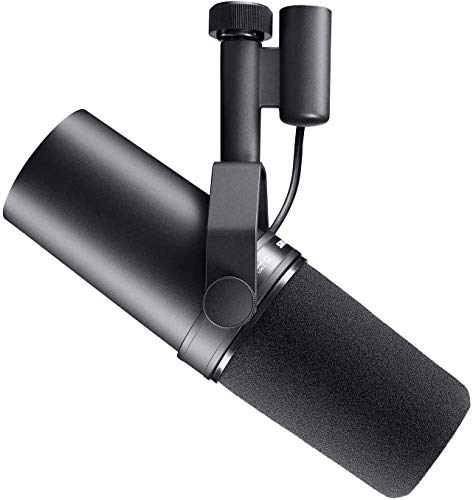
- Warm, balanced vocals for recording and broadcasting
- Cardioid design with pop filtering and shielding
- XLR connection for detailed gain and tone control
Best For: Podcasting, voiceover, streaming, and studio vocals
Connected Creator Pick

- USB-C and XLR connectivity for flexible setups
- Built-in denoiser, auto leveling, and digital pop filter
- Includes desktop stand and touch mute control
Best For: Podcasting, streaming, gaming, and home content creation
Budget Karaoke Workhorse

- Cardioid pickup helps limit feedback in live use
- Long 14.8-foot cable and on/off switch included
- Designed for 6.35mm (1/4-inch) inputs
Best For: Karaoke, presentations, PA systems, and live vocal performance
Stage Vocal Standard

- Focused cardioid pickup for live vocals
- Integrated on/off switch for quick muting
- Rugged XLR design with stand adapter and bag
Best For: Live singers, speakers, and stage performers
Flexible Creator Setup

- USB and XLR connectivity for flexible recording
- USB mute, gain, and headphone monitoring controls
- Windscreen and shock mount included
Best For: Podcasts, streaming, and home voice recording
Complete Podcast Kit

- Includes metal boom arm, shock mount, and windscreen
- USB and XLR connections support varied setups
- USB mute, gain, and headphone monitoring controls
Best For: Podcast and streaming desk setups
Stage Standard – Shure SM58 Pro XLR Dynamic Vocal Microphone
The Shure SM58 is one of the most recognizable dynamic microphones for vocals, combining a focused cardioid pattern with a rugged metal build. Its tuned response and built-in pop protection make it a dependable choice for live performance, recording, podcasting, and broadcast use, provided you have an XLR input.
Best For: Vocalists, performers, and creators who want a durable, industry-standard XLR microphone for stage or studio use.
Pros:
- Cardioid pickup helps reduce background noise and feedback.
- Built-in grille and filter reduce plosives, breath, and wind noise.
- Rugged metal construction is suited to touring and regular handling.
- Includes a swivel stand adapter and storage bag.
Cons:
- Requires an XLR connection and compatible audio equipment.
- Not a USB plug-and-play microphone.
The SM58 remains a practical choice among dynamic microphones when reliability and consistent vocal reproduction matter more than extra controls or lighting. Choose it for a proven handheld design and straightforward XLR workflow.
Karaoke Pair – Cable Matters 2-Pack Dynamic Vocal Microphones
This two-pack gives karaoke hosts and casual performers a simple way to add two wired dynamic microphones to a setup. Each cardioid microphone uses a 6.35 mm jack and includes a 15-foot cable, making the pair practical for singing, parties, and compatible karaoke machines.
Best For: Karaoke nights, parties, and budget-conscious setups that need two handheld microphones with long cables.
Pros:
- Two microphones are included for duets or group use.
- Cardioid pickup focuses on the primary sound source.
- 15-foot cables provide room to move during performances.
- Plug-and-play 6.35 mm connection suits compatible karaoke equipment.
Cons:
- Uses a 6.35 mm jack rather than XLR.
- Compatibility depends on equipment with a standard AUX or 6.35 mm input.
- Designed primarily for singing and karaoke rather than advanced recording.
Among dynamic microphones, this Cable Matters set stands out for quantity and convenience rather than studio flexibility. It is a sensible pick when two performers need straightforward wired microphones and extended reach.
Creator Flex Pick – FIFINE AmpliGame AM8 USB/XLR Dynamic Microphone
The FIFINE AmpliGame AM8 is a versatile dynamic microphone for gaming, streaming, podcasting, and voice recording. USB connectivity offers direct computer use with mute, headphone monitoring, gain, and RGB controls, while XLR connectivity provides an upgrade path through a separate interface or mixer.
Best For: Beginner and growing creators who want USB convenience now and optional XLR integration later.
Pros:
- Supports both USB and XLR connections.
- USB mode includes tap-to-mute, headphone monitoring, gain control, and RGB.
- Cardioid design helps reject off-axis and ambient noise.
- Built-in 3/8-inch and 5/8-inch threads fit many mic stands.
Cons:
- XLR cable is not included.
- RGB and function controls work only over USB.
- Requires careful positioning within the suggested 2- to 6-inch recording range.
The AM8 is one of the more flexible dynamic microphones in this group because it can serve a direct USB setup or an eventual XLR workflow. It is especially appealing for creators who want practical controls without immediately buying an audio interface.
Broadcast Workhorse – RØDE PodMic Cardioid Dynamic Microphone
The RØDE PodMic is a speech-focused dynamic microphone built for podcasting and broadcast work. Its cardioid capsule helps reject room noise, while the internal pop filter and shock mounting reduce plosives and desk thumps. It requires an XLR interface, mixer, or compatible RØDECaster.
Best For: Podcasters and broadcasters building an XLR-based desktop recording setup.
Pros:
- Broadcast-oriented capsule is tuned for speech.
- Cardioid pattern helps manage sound in untreated rooms.
- Internal pop filter and shock mounting reduce plosives and desk noise.
- All-metal body is designed for long-term use.
Cons:
- Requires an XLR interface, mixer, or RØDECaster.
- Not a USB microphone for direct computer connection.
- Its desktop form factor is less suited to handheld vocal performance.
The PodMic is a focused option among dynamic microphones, prioritizing spoken-word clarity and convenient built-in protection over portability. Choose it when you already have suitable XLR equipment and want a sturdy broadcast-style desktop mic.
Studio Vocal Standard – Shure SM7B
The Shure SM7B is a studio-focused choice among dynamic microphones, designed for warm, balanced vocals in podcasting, voiceover, streaming, singing, and professional recording. Its cardioid pickup pattern, built-in pop filtering, and electromagnetic shielding help keep the focus on your voice.
Best For: Podcasters, vocalists, streamers, and recording setups with an audio interface or mixer.
Pros:
- Warm, balanced vocal reproduction with a wide 50 Hz–20 kHz frequency response.
- Cardioid pickup, air suspension, and shielding help reduce room interference, handling noise, and hum.
- Rugged metal construction with included close-talk and foam windscreens.
- XLR output gives experienced users control over gain, EQ, and tone.
Cons:
- Requires an XLR interface or mixer rather than a direct USB connection.
- At least 60 dB of gain is recommended for its commonly associated tone, so additional preamp equipment may be needed.
The SM7B is a strong fit when vocal quality and long-term durability matter more than plug-and-play convenience. It is best suited to users prepared to build or already own a properly powered XLR recording chain.
Connected Creator Pick – Shure MV7+ USB-C & XLR
The Shure MV7+ combines USB-C and XLR connectivity in a flexible dynamic microphone setup for podcasting, streaming, gaming, and content creation. Its built-in DSP adds real-time noise reduction, auto-leveling, and a digital pop filter, while the included desktop stand supports a ready-to-use setup.
Best For: Creators who want simple USB-C operation now with the option to move to an XLR setup later.
Pros:
- USB-C and XLR connections accommodate beginner and professional workflows.
- Real-time denoiser and Voice Isolation Technology help reduce ambient noise and room echo.
- Auto Level Mode adjusts gain based on speaking distance and voice volume.
- Includes an adjustable desktop stand, USB-C cable, foam windscreen, and touch mute control.
Cons:
- Its feature-rich design and desktop stand make it heavier than a basic handheld microphone.
- Advanced sound customization relies on the MOTIV Mix app.
The MV7+ is one of the more adaptable dynamic microphones for creators who want software-assisted sound control without giving up an XLR upgrade path. It is particularly practical for desk-based recording and streaming.
Budget Karaoke Workhorse – FIFINE K6 Karaoke Microphone
The FIFINE K6 is a straightforward wired option among dynamic microphones for karaoke, presentations, live vocals, and public speaking. It uses a cardioid pattern, a 6.35mm plug, and a long 14.8-foot cable for direct connection to compatible amplifiers, mixers, PA systems, or speakers.
Best For: Karaoke machines, PA systems, church events, conferences, home parties, and live handheld use with a 1/4-inch input.
Pros:
- Cardioid pickup helps improve gain while minimizing feedback in live situations.
- Includes a 14.8-foot cable for freedom of movement during performances or presentations.
- Rugged metal construction, built-in pop filter, and an external on/off switch.
- Requires no battery or phantom power.
Cons:
- Compatible with 6.35mm (1/4-inch) inputs only; it is not available for 3.5mm connections, even with an adapter.
- It does not provide USB or standard direct XLR connectivity; the included cable converts XLR to 1/4-inch.
The K6 makes sense when you need an affordable, easy-to-operate handheld microphone for compatible live-audio equipment. Confirm that your amplifier, mixer, speaker, or karaoke machine has a 1/4-inch microphone input before buying.
Stage Vocal Standard – Shure SM58S
The Shure SM58S is a proven choice among dynamic microphones for singers, speakers, and live performers. Its focused cardioid pickup helps isolate vocals from stage noise, while the integrated on/off switch makes quick muting simple during performances, presentations, or rehearsals.
Best For: Live vocals, touring, houses of worship, rehearsals, and speakers who want a durable wired XLR microphone.
Pros:
- Cardioid pickup helps reject off-axis instruments, monitors, and crowd noise.
- Hardened grille and internal filtering help reduce plosives, breath noise, and handling sounds.
- Integrated on/off switch allows convenient muting without unplugging.
- Includes a swivel stand adapter and storage bag.
Cons:
- Wired XLR connectivity requires a compatible mixer or PA setup.
- Designed primarily for close vocal use rather than hands-free desktop recording.
The SM58S is a straightforward, performance-focused option for buyers who prioritize reliable vocal capture and rugged construction over USB convenience or built-in monitoring controls.
Flexible Creator Setup – FIFINE AmpliTank K688
The FIFINE AmpliTank K688 gives dynamic microphone buyers both USB and XLR connectivity. Plug it directly into a Windows or Mac computer for recording, or use XLR with a mixer or audio interface. USB-only controls include tap-to-mute, gain adjustment, headphone monitoring, and headphone volume control.
Best For: Podcasters, streamers, voice-over creators, and home users who need both computer-friendly USB and expandable XLR connections.
Pros:
- USB and XLR outputs support simple computer recording or mixer-based setups.
- USB mode includes a mute control, gain knob, headphone jack, and monitoring volume control.
- Cardioid pattern helps reduce background sounds such as computer fans.
- Included windscreen and shock mount help address plosives and low-frequency vibration.
Cons:
- Arm stand, microphone stand, and XLR cable are not included.
- Microphone controls are available only when using the USB connection.
- Close-mic positioning is recommended for recording.
This K688 is a practical hybrid option for creators who want an easy plug-and-play starting point without giving up the option to move to an XLR audio interface later.
Complete Podcast Kit – FIFINE AmpliTank K688CT
The FIFINE AmpliTank K688CT is a dynamic microphone kit built for podcasting, streaming, and voice recording. It combines USB and XLR connectivity with a metal boom arm, shock mount, and windscreen, while USB users get access to mute, gain, and headphone monitoring controls.
Best For: Podcasters and streamers who want a ready-to-position microphone kit with both computer USB and mixer-compatible XLR connections.
Pros:
- Includes a boom arm, shock mount, and windscreen for a more complete setup.
- USB and XLR outputs accommodate computers, mixers, and audio interfaces.
- USB controls include tap-to-mute, gain adjustment, headphone monitoring, and volume control.
- Cardioid pickup and vibration-reducing hardware help keep vocals focused and clear.
Cons:
- Microphone controls do not function when the mic is connected through XLR.
- The C-clamp fits desks under 2 inches thick.
- For optimal input volume, close positioning within roughly 2 to 6 inches is recommended.
Compared with a microphone-only package, the K688CT is more convenient for a new desk-based recording setup. Its included arm and accessories reduce the need to buy mounting hardware separately, while dual connectivity preserves upgrade flexibility.
How We Picked the Best Dynamic Microphones
We selected these Dynamic Microphones based on pickup pattern, connection options, intended use, reputation, included accessories, and overall value. The lineup includes straightforward XLR vocal microphones, USB/XLR hybrids for computers and mixers, broadcast-focused models, and budget-friendly choices for karaoke or casual recording.
We also considered setup flexibility. USB microphones are convenient for direct computer use, while XLR models are better suited to audio interfaces, mixers, and expandable recording systems. Some products offer both, allowing you to start simply and upgrade later.
Quick Comparison
| Best For | Recommended Type | Connection |
|---|---|---|
| Live vocals | Shure SM58 Pro or SM58S | XLR |
| Podcasting and broadcasting | Shure SM7B or RØDE PodMic | XLR |
| USB streaming | FIFINE AM8 or K688 | USB/XLR |
| Convenient podcast setup | Shure MV7+ | USB-C/XLR |
| Karaoke | FIFINE K6 | 1/4-inch |
| Two-person or backup use | Cable Matters 2-Pack | XLR |
Key Buying Factors for Dynamic Microphones
Connection and Compatibility
Check your equipment before buying. XLR microphones require a mixer or audio interface, while USB models can connect directly to a computer. Dual USB/XLR microphones offer the most flexibility, but confirm whether the package includes the required cable, stand, or adapter.
Pickup Pattern and Room Noise
Most microphones in this roundup use a cardioid-style pattern that prioritizes sound from the front and reduces audio from the sides and rear. This is useful in untreated rooms, though placement still matters. Keep the microphone close enough for a strong voice signal and position speakers or noisy equipment behind it when possible.
Gain Requirements
Some broadcast-style Dynamic Microphones need substantial preamp gain. If your interface has limited gain, you may need an inline booster or a preamp with a suitable input range. USB models generally simplify this issue by including their own digital audio hardware.
Controls and Included Accessories
Mute buttons, headphone monitoring, volume controls, cables, and stands can make a noticeable difference in daily use. A built-in switch is especially useful for live vocals, while headphone monitoring and software controls are valuable for streaming and podcasting.
Who Should Buy Which Dynamic Microphones?
For Live Singers
Choose the Shure SM58 Pro or SM58S for dependable stage use. The SM58S adds an on/off switch, which can be convenient when you need quick control between performances.
For Podcasters and Streamers
The Shure MV7+, FIFINE AM8, and FIFINE K688 are practical choices for computer-based setups because they combine USB convenience with XLR upgrade potential. The RØDE PodMic suits buyers who already have an interface or mixer.
For Premium Voice Recording
The Shure SM7B is the established choice for buyers prioritizing broadcast-style vocal performance and who are prepared to provide the necessary interface gain and supporting hardware.
For Budget or Occasional Use
The FIFINE K6 works for simple karaoke systems, while the Cable Matters two-pack is useful when you need multiple microphones at a low overall cost. Choose the kit that matches your equipment rather than paying for features you will not use.