The best field recorder with timecode can simplify production sound by combining reliable recording, accurate synchronization, and practical field controls in one workflow.
This roundup covers compact pocket recorders, 32-bit float models, timecode adapters, and multitrack systems so you can match your setup to the demands of documentary, narrative, music, or solo production.
Best 10 Field Recorder with Timecode Picks for 2026
Best Integrated Timecode Recorder

- Built-in timecode generation and sync
- 32-bit float recording with dual ADCs
- Dual XLR/TRS inputs in a compact body
Best For: Videographers seeking an all-in-one recorder with timecode
Best Pocket Timecode Recorder

- Wireless sync with Deity TC-1 generators
- 32-bit float recording and locking 3.5 mm input
- Includes W.Lav Pro microphone and 32 GB card
Best For: Lavalier recording, interviews, and lightweight video rigs
Best Timecode Adapter for Zoom

- TCXO accuracy within 0.5 frames over 24 hours
- 3.5 mm TRS timecode input and output
- Directly connects to compatible Zoom recorders
Best For: Zoom recorder owners adding precision timecode
Best AI Voice Recorder for Meetings

- Offline transcription in five languages
- Six-microphone AI noise reduction
- Up to 175 hours of stated battery life
Best For: Meetings, interviews, lectures, and searchable voice notes
Compact Sync Kit

- Two-channel 32-bit float WAV recording
- Includes TCA-1 3.5mm timecode adapter
- Locking XLR inputs with phantom power
Best For: Compact audio-for-video setups and small productions
Professional Multitrack Choice

- Six XLR inputs and up to 14 tracks
- 32-bit float recording with dual A/D converters
- Timecode I/O for frame-accurate sync
Best For: Filmmaking, broadcast, and multi-microphone recording
Best for Comfort

- Pocket-size recorder with 32-bit float WAV
- Locking 3.5mm mic/line input and included lav mic
- Up to 30 hours on two AA batteries
Best For: Mobile interviews, lavalier recording, and compact video kits
Professional Production Pick
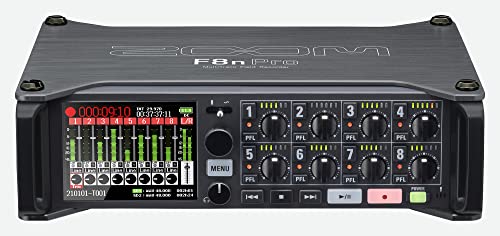
- Eight inputs and ten tracks for multi-mic productions
- 0.2 ppm timecode accuracy for reliable synchronization
- Dual SD slots enable redundant recording
Best For: Professional film crews and demanding field-audio work
Portable Timecode Workhorse
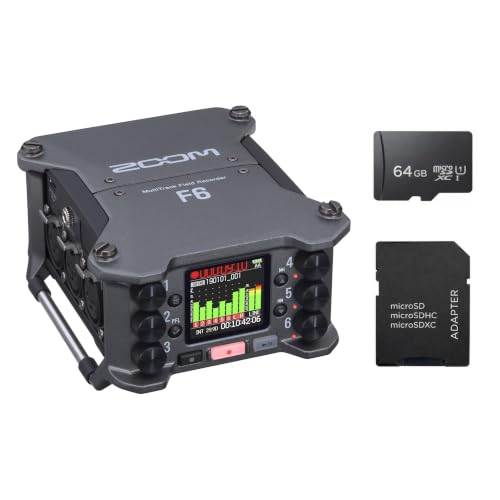
- Six XLR inputs for location sound
- Timecode input and output for compatible gear
- Includes a 64GB microSD card and adapter
Best For: Mobile film and location recording with external microphones
Compact Wireless Sync Pick

- Three built-in mics with nine recording patterns
- 32-bit float capture for easy gain management
- Bluetooth timecode syncs multiple compatible units
Best For: Compact interviews, podcasts, music, and multi-recorder shoots
Best Integrated Timecode Recorder – TASCAM FR-AV2
If you need a field recorder with timecode for video production, the TASCAM FR-AV2 combines dual XLR/TRS inputs, 32-bit float recording, and built-in timecode generation in a compact body. Its dual ADCs and no-clip recording support fast, lower-stress setups.
Best For: Videographers who want integrated timecode without carrying a separate timecode device.
Pros:
- Built-in timecode input, output, generation, and sync functions
- 32-bit float recording with dual ADCs helps reduce clipping concerns
- Two XLR/TRS combo inputs plus a 3.5 mm input
- Compact 9.5-ounce design with recording up to 192 kHz
Cons:
- Bluetooth monitoring requires the optional AK-BT2 adapter
- Requires three AA batteries
The FR-AV2 is the most self-contained option here for camera crews who want reliable capture and timecode in one recorder. Its dual-input layout and professional connectivity make it especially practical for production audio.
Best Pocket Timecode Recorder – Deity PR-2 Pocket Recorder
The Deity PR-2 is a lightweight field recorder with timecode that wirelessly syncs with Deity TC-1 generators. It pairs 32-bit float recording with a locking 3.5 mm input, making it well suited to lavalier-based production and mobile recording.
Best For: Creators, interview teams, and performers who need a small recorder for lavalier or stereo microphone capture.
Pros:
- Wireless timecode sync with Deity TC-1 generators
- Supports both 24-bit and 32-bit float WAV recording
- Locking 3.5 mm stereo mic/line input
- Sidus Audio app control from up to 250 feet and nearly 30 hours of battery life
Cons:
- Timecode compatibility is centered on Deity timecode devices
- Uses a 3.5 mm input rather than XLR connections
Choose the PR-2 when portability and discreet lavalier recording matter more than multiple professional inputs. Its locking connector, remote control, and included lavalier make it a convenient compact production kit.
Best Timecode Adapter for Zoom – Zoom TCA-1 Timecode Adapter
The Zoom TCA-1 adds precision timecode capability to compatible Zoom recorders, making it a useful accessory for building a field recorder with timecode setup. Its temperature-compensated crystal oscillator is rated to stay within 0.5 frames over 24 hours.
Best For: Filmmakers who already own a compatible Zoom recorder and need a compact timecode connection.
Pros:
- TCXO stability rated within 0.5 frames over 24 hours
- 3.5 mm TRS timecode input and output
- Attaches directly to the recorder’s Remote connector
- Compatible with several Zoom H-series recorders and the F3 with current firmware
Cons:
- It is an adapter, not a standalone audio recorder
- Compatibility is limited to listed Zoom models with the latest firmware
The TCA-1 is a focused solution rather than a complete recording system. For owners of compatible Zoom equipment, its direct-mount design and stable timecode can streamline synchronization without adding much weight.
Best AI Voice Recorder for Meetings – iFLYTEK 302Pro Voice Recorder
The iFLYTEK 302Pro is primarily an AI voice recorder rather than a field recorder with timecode, so it is not the right pick for camera synchronization. It is better suited to meetings, interviews, lectures, and confidential recordings where offline transcription and long battery life are priorities.
Best For: Journalists, students, business users, and travelers who need offline transcription and extended recording time.
Pros:
- Offline speech-to-text support in five languages
- Six-microphone AI noise reduction with multiple recording modes
- Up to 175 hours of stated battery life and 8 GB storage
- Imports external MP3 and WAV recordings for transcription
Cons:
- No timecode features are listed
- No headphone jack
- Noise reduction and transcription can be affected by background noise or accents
Consider the 302Pro only if your priority is searchable spoken content rather than synchronized production audio. Its offline transcription and long runtime make it useful for work and study, but it does not fill the timecode role of the other options.
Compact Sync Kit – Zoom F3 with TCA-1
If you need a field recorder with timecode for a compact camera or production setup, this Zoom F3 bundle pairs a two-channel 32-bit float recorder with the TCA-1 timecode adapter. It is a practical choice for recording mono or stereo WAV audio while keeping synchronization options available.
Best For: Small video crews, interviews, music recording, and creators who need two XLR inputs with timecode connectivity.
Pros:
- Includes the F3 recorder and TCA-1 timecode adapter.
- 32-bit float recording with dual A/D converters helps handle changing sound levels.
- Two locking XLR inputs support mic/line sources and 24/48V phantom power.
- Runs on AA batteries, USB power, or an optional AD-17 adapter.
Cons:
- Only two recording inputs are provided.
- The timecode connection depends on compatible firmware and the included adapter.
The F3 bundle is a focused solution when portability and dependable level handling matter more than a large input count. Its included timecode adapter makes it especially convenient for compact audio-for-video workflows.
Professional Multitrack Choice – Zoom F6
The Zoom F6 is a field recorder with timecode designed for productions that need more inputs and tracks. Its six XLR inputs, 32-bit float recording, and timecode I/O support a broader location-sound workflow, from multi-microphone shoots to broadcast and music recording.
Best For: Filmmakers, broadcast teams, and musicians recording several microphones or sources at once.
Pros:
- Six XLR inputs provide room for multiple microphones.
- Records up to 14 tracks for flexible production workflows.
- 32-bit float recording and dual A/D converters help capture quiet and loud sources without clipping.
- Can operate as a standalone recorder or USB audio interface.
Cons:
- Its 2.4-pound weight is greater than pocket-sized recorder options.
- It requires four AA batteries for battery operation.
- Its larger feature set may be more than needed for simple two-channel jobs.
Choose the F6 when input count and production flexibility are priorities. Timecode I/O, wireless control support, and multiple power options make it a strong fit for more demanding location setups.
Best for Comfort – Deity PR-2
The Deity PR-2 is a pocket-sized field recorder with timecode for lavaliers, compact microphones, interviews, and mobile video work. It combines 24-bit and 32-bit float WAV recording with a locking 3.5mm stereo mic/line input, wireless app control, and compatibility with Deity timecode products.
Best For: Videographers, journalists, interview setups, and creators who want a small recorder with lavalier support and extended battery life.
Pros:
- Supports both 24-bit and 32-bit float recording.
- Locking 3.5mm input works with lavalier, shotgun, and line-level sources.
- Offers up to 30 hours of recording on two AA batteries.
- Includes a W.Lav Pro microphone and supports wireless monitoring and control through the Sidus Audio App.
Cons:
- Uses a 3.5mm input rather than locking XLR inputs.
- Timecode compatibility is centered on Deity timecode products.
- Its 128GB storage capacity is smaller than some expandable recorder setups.
The PR-2 stands out for highly mobile recording where size, battery life, and lavalier compatibility are more important than multiple professional XLR inputs. Its standalone timecoder function adds flexibility to compact production kits.
Professional Production Pick – Zoom F8n Pro
For professional film crews needing a field recorder with timecode, the Zoom F8n Pro combines eight inputs, ten-track recording, and highly accurate 0.2 ppm timecode. Its 32-bit float recording, dual A/D converters, and redundant dual-SD recording make it well suited to demanding production work.
Best For: Film and field-audio professionals recording multi-microphone productions.
Pros:
- Eight-channel, ten-track recording with 32-bit float capture.
- 0.2 ppm timecode accuracy helps keep audio aligned with picture.
- Dual SD slots support redundant recording, with up to 1TB per card.
- Can function as an 8-in/4-out USB interface while recording to SD.
Cons:
- Its 1.8 kg weight and larger design are less convenient for minimalist mobile setups.
- Built-in battery life is listed at approximately 8.5 hours.
The F8n Pro is the strongest choice here for complex location workflows. Choose it when input count, backup recording, and precise timecode matter more than compact size.
Portable Timecode Workhorse – Zoom F6 Bundle
The Zoom F6 is a practical field recorder with timecode for location sound and film production when six XLR inputs are enough. Its 32-bit float recording, compact rugged design, and included 64GB microSD card make this bundle ready for mobile recording.
Best For: Location recordists who need multiple XLR inputs and portable timecode synchronization.
Pros:
- Six XLR inputs support recording from multiple external microphones.
- 32-bit float recording provides a wide dynamic range.
- Timecode input and output support synchronization with compatible equipment.
- Bundle includes a 64GB microSD card and SD adapter.
Cons:
- It offers fewer inputs than the eight-input F8n Pro.
- External microphones are required because microphones are not included.
- The included memory card and adapter have separate warranty coverage from the recorder.
The F6 bundle balances synchronization features and portability without moving into a larger multitrack setup. It is a sensible fit for smaller crews, especially if the included storage is useful.
Compact Wireless Sync Pick – Zoom H2 Essential
The Zoom H2 Essential is a compact alternative for shoppers seeking a field recorder with timecode. Its three built-in microphones offer nine recording patterns, while Bluetooth timecode can wirelessly synchronize multiple H2 Essential units for aligned multi-recorder sessions.
Best For: Musicians, podcasters, journalists, and filmmakers who value compact recording and wireless multi-unit sync.
Pros:
- Three built-in microphones provide nine selectable recording patterns.
- 32-bit float recording supports clip-free capture without constant gain adjustment.
- Bluetooth timecode can synchronize multiple H2 Essential recorders.
- Works as a USB microphone while recording to an SD card simultaneously.
Cons:
- It does not provide the XLR input count of the F6 or F8n Pro.
- Bluetooth timecode is intended for syncing compatible H2 Essential units.
- Its 1.3-inch screen is smaller than the F8n Pro’s display.
The H2 Essential is best when portability and built-in microphones matter more than traditional production inputs. Its wireless timecode feature makes it particularly interesting for coordinating several compact recorders.
How We Picked the Best Field Recorder with Timecode Options
We focused on recording quality, timecode compatibility, input flexibility, portability, battery practicality, and workflow value. The selection includes complete timecode-enabled recorders as well as compatible adapters and bundles, because some filmmakers build synchronization into a modular camera-and-audio setup.
We also considered whether each model suits demanding professional production or simpler field use. Features such as 32-bit float recording, locking connectors, multitrack support, onboard microphones, and wireless or wired timecode compatibility can matter more than headline specifications alone.
Quick Comparison
| Best For | Look For | Typical Advantage |
|---|---|---|
| Solo filmmakers | Compact recorder with timecode support | Easy setup and low carrying weight |
| Run-and-gun production | 32-bit float recording | More forgiving levels when conditions change |
| Larger crews | Multiple inputs and multitrack recording | Room for several microphones and sources |
| Existing Zoom systems | Compatible timecode adapter | Lower-cost synchronization upgrade |
| Music and general recording | Handheld microphones and simple controls | Fast operation outside a film workflow |
Key Buying Factors for a Field Recorder with Timecode
Timecode Method and Compatibility
Check whether the recorder generates, receives, or only passes timecode, and confirm compatibility with your camera, wireless system, or other recorders. An adapter may be sufficient if you already own a compatible Zoom unit, while an integrated timecode recorder can reduce cables and setup steps.
Inputs and Track Capacity
Count the microphones and line-level sources you expect to record at once. Two inputs work well for a small interview kit, while productions with boom, wireless lavaliers, plant microphones, and scratch feeds benefit from more inputs and independent tracks.
32-Bit Float and Gain Handling
32-bit float recording can provide extra flexibility when levels are difficult to predict, but it does not replace good microphone placement or prevent every type of distortion. Confirm the recorder’s input type, preamp quality, and available safety features.
Size, Power, and Controls
For handheld or bag work, prioritize weight, battery life, screen visibility, connector placement, and quick access to transport and level controls. A larger recorder may be worthwhile when you need more inputs, physical controls, or longer continuous sessions.
Who Should Buy Which Field Recorder with Timecode?
Choose a compact pocket recorder if you work alone, capture interviews, or need a discreet backup recorder. Choose a 32-bit float model for unpredictable dialogue, documentary work, or fast-moving shoots where setting perfect gain is difficult.
Choose a multitrack recorder when you regularly record several microphones or want isolated tracks for post-production. Choose a timecode adapter if your current recorder already supports it and you want synchronized audio without replacing the rest of your kit.
Before buying, verify camera connectivity, timecode standards, included cables, memory-card requirements, and power accessories. The right Field Recorder with Timecode should fit your entire production workflow—not just offer the highest track count or newest recording format.