The best high-end headphones for mixing should reveal tonal balance, stereo placement, detail, and unwanted noise without encouraging ear fatigue. This lineup covers respected open-back and closed-back studio models for mixing, editing, tracking, and reference listening.
Use the guide below to compare their designs, impedance, isolation, comfort, and practical studio roles before choosing the pair that fits your room, interface, and workflow.
Best 10 High End Headphones for Mixing Picks for 2026
Mix Translation Specialist

- Planar magnetic drivers for detailed monitoring
- Designed for mixes that translate consistently
- Durable open-back build with travel case
Best For: Producers and mix engineers seeking portable, room-independent monitoring
Open-Back Reference Monitor

- Open-back studio headphone design
- Lightweight 245 g construction
- Detachable cable and foldable design
Best For: Studio users wanting adaptable open-back monitoring
Large-Driver Detail Reference

- 53mm transducers for detailed reference listening
- 1.5 Tesla magnet system for precise imaging
- Includes stand and detachable 3m cable
Best For: Mixing, mastering, and critical listening
Modern Planar Mixing Reference
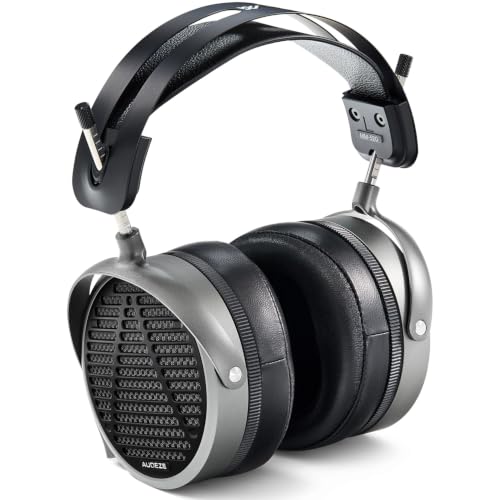
- 90mm planar magnetic drivers for detailed monitoring
- SLAM technology supports bass accuracy and spatial detail
- Includes case, adapter, and memory-foam earpads
Best For: Professional mixing, mastering, and critical listening
Versatile Studio Classic

- Balanced response for studio work
- Closed-back isolation for tracking
- Comfortable, serviceable construction
Best For: Mixing, monitoring, and recording
Open-Back Precision Pick

- Wide stage with precise localization
- Uncolored full-spectrum response
- Includes two mixing-focused pad sets
Best For: Open-back mixing and critical listening
Monitor-Style Isolation

- Linear, monitor-inspired sound
- Excellent closed-back isolation
- Foldable with detachable cable
Best For: Mixing in noisy or shared studios
Proven Studio Workhorse

- 45 mm drivers with clear extended response
- Closed-back isolation for loud environments
- Detachable cable and swiveling earcups
Best For: Versatile studio monitoring and tracking
Open-Back Mixing Reference

- Wide, natural soundstage for critical listening
- 250-ohm design for interfaces and headphone amps
- Replaceable velour pads for extended sessions
Best For: Quiet-room mixing and professional editing
Closed-Back Precision Monitor

- Passive shielding helps limit noise and leakage
- Vibration attenuation supports detailed monitoring
- Detachable cable with dual L/R jacks
Best For: Isolated mixing and mobile studio production
Mix Translation Specialist – Audeze MM-500
The Audeze MM-500 is a strong choice among high end headphones for mixing when your priority is dependable translation. Its planar magnetic drivers, open-back design, and producer-focused tuning aim to provide studio-quality monitoring without the acoustics of your room.
Best For: Producers and mix engineers who want open-back planar headphones for consistent, portable monitoring.
Pros:
- Designed specifically for mixes that translate well across playback systems.
- Planar magnetic drivers provide detailed monitoring.
- Durable aluminum and spring-steel chassis with a travel case included.
- 20-ohm impedance works with virtually all audio interfaces and consoles.
Cons:
- Open-back construction provides no noise control.
- At 495 g, it is heavier than some studio headphones.
Choose the MM-500 if mix translation and flexible studio connectivity matter more than isolation or minimal weight.
Open-Back Reference Monitor – Neumann NDH 30
The Neumann NDH 30 is a practical pick among high end headphones for mixing if you want an open-back studio design with a relatively light 245 g build. Its detachable cable, 120-ohm impedance, and compatibility with both 3.5mm and 6.35mm connections suit a range of studio setups.
Best For: Studio users who prefer open-ear monitoring and a foldable, wired headphone design.
Pros:
- Open-back design supports a spacious monitoring presentation.
- Lightweight 245 g construction is suitable for extended sessions.
- Detachable cable and foldable design improve handling and storage.
- Works with devices featuring 3.5mm or 6.35mm jacks.
Cons:
- Open-back construction offers no noise control.
- Its 120-ohm impedance may be less convenient for lower-powered portable devices.
The NDH 30 makes sense for a clean, adaptable studio setup, especially when comfort and convenient storage are important.
Large-Driver Detail Reference – AKG K812PRO
The AKG K812PRO is aimed at listeners comparing high end headphones for mixing, mastering, production, and critical listening. Its open-cup design, 53mm transducers, broad stated 5–54,000 Hz bandwidth, and 1.5 Tesla magnet system are built around detailed, natural sound and precise imaging.
Best For: Professionals and serious listeners who want a high-resolution open-back reference headphone for mixing and mastering.
Pros:
- Large 53mm transducers are designed for headroom and dynamic range.
- 1.5 Tesla magnet system supports precise imaging.
- Detachable 3m cable includes both 3.5mm and 6.3mm connection options.
- Includes a premium headphone stand.
Cons:
- Open-cup construction provides no isolation.
- The 3m cable may be excessive for compact listening spaces.
If your work depends on hearing subtle details and judging stereo placement, the K812PRO offers a feature set tailored to high-level reference listening.
Modern Planar Mixing Reference – Audeze MM-520
The Audeze MM-520 is designed for recording, mixing, mastering, and critical listening, making it a compelling option among high end headphones for mixing. Its 90mm planar magnetic drivers, SLAM acoustic technology, and open-back construction focus on bass accuracy, spatial detail, and low distortion.
Best For: Engineers seeking a professional open-back planar headphone with enhanced low-frequency monitoring and long-session comfort.
Pros:
- Developed with Grammy-winning engineer Manny Marroquin for professional monitoring.
- 90mm planar magnetic drivers use Uniforce diaphragms, Fluxor magnets, and Fazor waveguides.
- SLAM technology targets bass accuracy, low-frequency extension, and spatial detail.
- Includes magnetic memory-foam earpads, a case, and connection adapter.
Cons:
- Open-back design provides no noise control.
- The supplied details list a 2 kg item weight, which may feel substantial for extended wear.
The MM-520 is best suited to detailed, stationary studio work where bass judgment, imaging, and comfort-focused earpads are priorities.
Versatile Studio Classic – DT 770 Pro 80 Ohm
For anyone comparing high end headphones for mixing, the beyerdynamic DT 770 Pro 80 Ohm is a practical closed-back option for studio monitoring, recording, and critical listening. Its balanced response, sound isolation, comfortable velour pads, and long cable suit extended sessions and vocal tracking.
Best For: Mixing, monitoring, and recording in home or professional studios.
Pros:
- Balanced frequency response for mixing, mastering, and monitoring.
- Closed-back design helps minimize sound leakage during recording.
- Breathable velour pads support long, comfortable sessions.
- Serviceable German-built design with replaceable parts.
Cons:
- Wired-only design limits convenience for mobile listening.
- The 3m cable may be longer than needed for some setups.
- Not water resistant.
The DT 770 Pro 80 Ohm stands out as a durable, adaptable studio headphone with useful isolation and comfort. It is especially compelling when tracking microphones or working in a shared space where leakage matters.
Open-Back Precision Pick – Sennheiser HD 490 PRO
The Sennheiser HD 490 PRO is a strong choice among high end headphones for mixing when a spacious presentation and precise positioning are priorities. Its open-back architecture, uncolored response, low-frequency cylinder system, and two ear-pad sets are designed for detailed production work.
Best For: Open-back mixing, critical listening, and frequency-focused production.
Pros:
- Wide, dimensional soundstage with precise localization.
- Uncolored 5–36,000 Hz response for detailed reproduction.
- Open-frame design reduces resonance and total harmonic distortion.
- Two ear-pad sets help tailor production and mixing sessions.
Cons:
- Open-back construction is not ideal when sound leakage must be minimized.
- Its detailed presentation may be less suitable for casual, isolated listening.
- Requires a wired connection.
Choose the HD 490 PRO when your workspace allows an open-back design and you want a broad, accurate perspective for placement and tonal decisions. Replaceable, washable pads also support continued studio use.
Monitor-Style Isolation – Neumann NDH 20
The Neumann NDH 20 is a compelling closed-back choice for shoppers seeking high end headphones for mixing with a monitor-like, linear presentation. It combines transparent, high-resolution sound with strong isolation, making it useful when external noise or headphone bleed could disrupt studio work.
Best For: Linear monitoring and mixing in noisy or shared environments.
Pros:
- Linear balance modeled after Neumann studio monitors.
- Strong isolation for working in noisy environments.
- Transparent, high-resolution sound reproduction.
- Foldable design and detachable cable improve portability and setup flexibility.
Cons:
- 150-ohm impedance may be less convenient with low-powered devices.
- Closed-back isolation provides less of the spacious feel of open-back headphones.
- Wired connectivity only.
The NDH 20 suits engineers who want a focused, isolated monitoring tool rather than an expansive open-back presentation. Its foldable build and detachable cable add practical value for moving between studio locations.
Proven Studio Workhorse – ATH-M50x
For anyone comparing high end headphones for mixing, the Audio-Technica ATH-M50x is a practical wired studio-monitor option with large 45 mm drivers, clear extended response, and strong bass accuracy. Its closed, around-ear design also helps isolate your monitoring from a loud room.
Best For: Mixing, tracking, and one-ear monitoring in home or professional studio environments.
Pros:
- Large 45 mm drivers deliver clear sound across a 20 Hz–28 kHz range.
- Closed circumaural earcups provide useful passive sound isolation.
- Detachable cable, folding construction, and 90-degree swiveling earcups add studio flexibility.
- 38-ohm impedance works with a range of compatible devices.
Cons:
- Closed-back isolation provides less natural openness than an open-back design.
- It is wired only and has no stated water resistance.
The ATH-M50x is a versatile choice when you want dependable monitoring, practical handling, and easy device compatibility without requiring a dedicated headphone amplifier.
Open-Back Mixing Reference – DT 990 Pro
The beyerdynamic DT 990 Pro is a strong candidate among high end headphones for mixing when a wide, natural presentation is a priority. Its open-back construction is designed for critical listening and professional editing, while the 250-ohm impedance suits studio interfaces, headphone amps, and home hi-fi systems.
Best For: Critical mixing, editing, and extended sessions in a quiet studio or listening room.
Pros:
- Open-back design produces a wide, natural soundstage.
- 250-ohm impedance is suited to dedicated studio and headphone-amplifier setups.
- Soft, circumaural, replaceable velour ear pads support long sessions.
- Handcrafted in Germany with a two-year warranty.
Cons:
- Open-back construction provides no stated noise control and can leak sound.
- Its 250-ohm impedance may be less suitable for low-powered portable devices.
- The cable is straight rather than detachable.
Choose the DT 990 Pro when spacious monitoring and comfort matter more than isolation. It is especially appropriate for controlled rooms and equipment capable of driving a 250-ohm load.
Closed-Back Precision Monitor – HD 480 PRO Plus
The Sennheiser HD 480 PRO Plus combines closed-back isolation with studio-focused features, making it a practical contender among high end headphones for mixing. Its passive shielding, vibration attenuation system, detachable cable, and dual L/R jacks support detailed monitoring in both fixed and mobile setups.
Best For: Mixing, studio monitoring, and mobile production where isolation and flexible connectivity are important.
Pros:
- Closed-back construction and passive shielding help reduce leakage and outside noise.
- Vibration Attenuation System is designed to reduce distortion.
- Angled earcups and grooved pads support a comfortable precision fit, including with eyeglasses.
- Detachable cable and dual L/R jacks adapt to different studio setups.
Cons:
- The 130-ohm impedance may benefit from suitable studio equipment.
- At 500 g, it is heavier than many conventional studio headphones.
- Closed-back monitoring offers less open soundstage than an open-back model.
The HD 480 PRO Plus makes the most sense for producers who need controlled leakage, durable studio-focused construction, and flexible cabling. Its fit and shielding features are particularly useful for longer monitoring sessions.
How We Picked the Best High End Headphones for Mixing
We selected these 10 models based on their suitability for critical audio work, including frequency balance, resolution, imaging, comfort, build quality, and connectivity. The list includes planar-magnetic and dynamic drivers, open-back and closed-back designs, and several impedance options so different studio setups are represented.
No headphone is perfectly neutral, and even premium models should be checked against trusted monitors, reference tracks, and translation tests. The strongest choice depends on your room, listening habits, interface, and whether isolation matters.
Quick Comparison
| Best For | Recommended Design | Why It Matters |
|---|---|---|
| Precise mix decisions | Open-back | Wider presentation and a more natural sense of space |
| Recording and tracking | Closed-back | Better isolation and reduced microphone bleed |
| Portable or modest interfaces | Low- to mid-impedance | More practical output levels from common devices |
| Dedicated headphone amplifiers | Higher impedance | Can benefit from stronger amplification and headroom |
Key Buying Factors for High-End Headphones for Mixing
Open-Back Versus Closed-Back
Open-back headphones often provide a more spacious soundstage and can make panning, reverb tails, and tonal changes easier to judge. They leak sound, however, so they are unsuitable for recording near sensitive microphones. Closed-back headphones isolate better and are the safer choice for tracking, noisy environments, and preventing spill.
Frequency Balance and Translation
Look for a response that lets you identify bass buildup, harsh upper mids, sibilance, and excessive treble without masking detail. A technically impressive headphone can still have a character that requires adjustment, so compare mixes on multiple systems and use familiar reference tracks.
Impedance, Sensitivity, and Amplification
Check whether your audio interface, mixer, laptop, or headphone amplifier can drive the model comfortably. Higher-impedance headphones may need more voltage, while lower-impedance options are generally easier to use across devices. Adequate volume is important, but avoid prolonged listening at high levels.
Comfort and Practical Build
Mixing sessions can last for hours, making clamp force, pad material, weight, heat buildup, and adjustability important. Detachable cables, replaceable pads, sturdy hinges, and included cases can also affect long-term studio value.
Who Should Buy Which High End Headphones for Mixing?
Choose an open-back reference model if your priority is detailed mixing, editing, spatial work, or mastering in a quiet room. Choose a closed-back model if you record vocals or instruments, work around other people, or need isolation. Planar-magnetic options may appeal to engineers who want controlled, highly resolving playback, while established dynamic-driver designs can offer a lighter, familiar studio workflow.
If you are building a first serious monitoring setup, prioritize comfort, reliable amplification, and a balanced presentation over prestige or maximum detail. Experienced mixers may benefit from owning both designs: closed-back headphones for tracking and open-back headphones for critical balance and stereo decisions.