Great looping can turn a solo set into a full live arrangement, but the right unit depends on how you perform. Some players need simple one-button operation, while others want multiple tracks, rhythms, MIDI, or vocal processing.
Below, we’ve narrowed the field to 10 practical options for musicians who need reliable loop stations for live performances, from compact pedals to feature-rich floor units.
Best 10 Loop Stations for Live Performances Picks for 2026
Tabletop Powerhouse

- Two stereo tracks with dedicated controls
- Four input FX and four track FX
- 64 phrase memories and MIDI expansion
Best For: club performers, electronic musicians, and beatboxers
Compact Footswitch Looper

- 11 play modes with undo/redo support
- 10-minute recording with unlimited overdubs
- Reverse, slow, and speed functions
Best For: guitarists wanting a compact, affordable looper
Rhythm-Driven Looper
BOSS RC-10R Rhythm Loop Station

- 280+ rhythm styles with fills
- Two-track looping with six-hour recording
- 99 phrase memories and full MIDI I/O
Best For: solo performers needing looping plus built-in rhythms
Vocal Performance Hub
TC Helicon VoiceLive 3 Extreme

- Backing track import with fx automation
- USB flash drive performance recording
- Full vocal and guitar effects sections
Best For: singer-guitarists needing looping and backing tracks
Dual-Track Creator
Valeton VLP-200 Multi-Track Sampler

- Two loop tracks with SERIAL and FREE modes
- 24-bit, 48 kHz audio plus stereo drum rhythms
- MIDI in/out and independent LOOP 1 / LOOP 2 foot control
Best For: Live performers needing dual-loop flexibility and rhythm support
Compact Classic
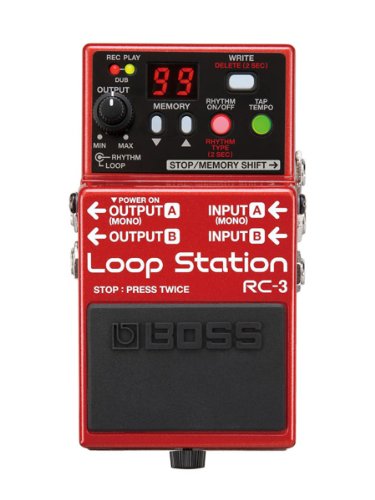
- Up to three hours of stereo recording time
- 99 onboard memories for saved loops
- USB import/export and a real-drum rhythm guide
Best For: Guitarists who want a compact looper with big memory
Touchscreen Powerhouse
Aeros Loop Studio Gold Edition
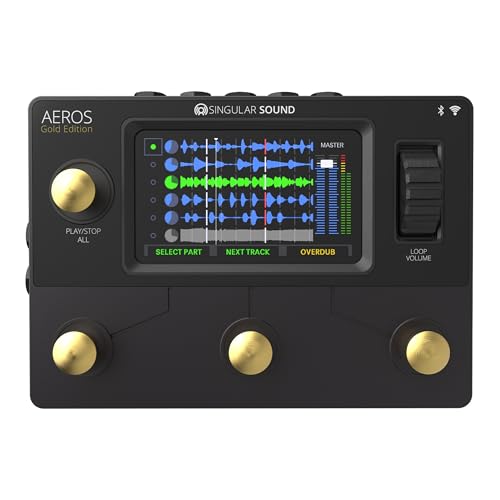
- Six song parts and six stereo tracks per song
- 32-bit floating point audio with unlimited overdubs
- Touchscreen mixer plus MIDI, USB, Wi-Fi, and Bluetooth
Best For: Multi-instrumentalists needing advanced multi-track looping
Classic Simple Looper

- Up to 16 minutes of record time
- Compact size with simple knob controls
- Easy one-man-band live looping
Best For: Players who want a compact, easy-to-use looper for live performances
Drum-Synced Mini Looper

- 11 drum-beat styles with auto tempo detection
- Unlimited overdubs in a mini pedal format
- 1/8" phones out for silent practice
Best For: Players who want a mini looper with drum accompaniment and easy tempo syncing
High-Capacity Loop Station
AKLOT Compact Guitar Looper Pedal

- 40 slots and up to 160 minutes total
- Unlimited overdubs with 44.1kHz/16-bit audio
- USB import/export plus headphone output
Best For: Guitarists who want a high-capacity looper with storage, overdubbing, and USB transfer
Tabletop Powerhouse – BOSS RC-202 Loop Station
If you want loop stations for live performances that stay hands-on and flexible, the BOSS RC-202 is built for fingertip control in a compact tabletop format. It gives you two stereo tracks, multiple loop and input effects, and 64 phrase memories, making it a strong fit for performers who need quick control over layered sets.
Best For: club performers, electronic musicians, and beatboxers who want a desktop looper with deep hands-on control.
Pros:
- Two simultaneous stereo phrase tracks with dedicated controls and loop status indicators
- Four input FX and four track FX available at the same time for performance processing
- 64 phrase memories for storing tracks, effects settings, and more
- Optional footswitch, expression pedal, and MIDI support for expanded control
Cons:
- Tabletop design may not suit players who want a traditional floor pedal layout
- More advanced than a basic looper, so it may be more than some users need
The RC-202 stands out when you need a compact looping hub with plenty of control and memory for live sets. Its mix of stereo tracks, onboard effects, and external control options makes it well suited to performance-driven looping.
Compact Footswitch Looper – Rowin 10-Min Looper Pedal
For players comparing loop stations for live performances, this Rowin pedal keeps things simple, compact, and performance-friendly. It offers 11 play modes, 10 minutes of recording time, undo/redo, and loop manipulation features like reverse, slow down, and speed up, all in a small aluminum-alloy enclosure.
Best For: guitarists who want an affordable compact looper with creative loop effects.
Pros:
- 11 play modes give you multiple ways to build and shape loops
- 10-minute recording time supports extended looping and overdubs
- Undo/redo plus reverse, slow down, and speed up functions add creative options
- Aluminum-alloy casing and robust footswitch support durability
Cons:
- Fewer advanced details and controls than higher-end performance loop stations
- Compact footprint may limit players who want more onboard control
This Rowin looper is a practical choice if you want straightforward live looping with a few extra sound-shaping tricks. Its small size and feature set make it best for players who value portability and simple performance use.
Rhythm-Driven Looper – BOSS RC-10R Rhythm Loop Station
If your live set needs groove as much as looping, the BOSS RC-10R combines song-based looping with built-in rhythms in a very small footprint. With more than 280 preset styles, 16 drum kits, two-track operation, and expanded MIDI support, it is designed for performers who want loops and drums working together.
Best For: solo performers and guitarists who want rhythmic backing and looping in one pedal.
Pros:
- Over 280 preset rhythm styles with intro, ending, and transition fills
- 16 drum kits plus high-quality BOSS and Roland rhythm sounds
- Two-track looper with six hours of recording time
- Compact size with full MIDI I/O and storage for 99 phrase memories
Cons:
- Rhythm-focused layout may be more than users who only need basic looping
- Small footprint can mean less immediate hands-on space than larger units
The RC-10R is a strong pick when you want loop stations for live performances that also handle rhythm duties. It works especially well for players building complete solo arrangements with loops, transitions, and drum support.
Vocal Performance Hub – TC Helicon VoiceLive 3 Extreme
The TC Helicon VoiceLive 3 Extreme is aimed at performers who need vocal and guitar processing alongside looping, backing tracks, and recording. Its tap-dance-free workflow, fx automation, USB flash drive recording, and complete vocal and guitar effect sections make it a broad live performance tool rather than a simple looper.
Best For: singer-guitarists who want looping, backing tracks, and automation in one floor pedal.
Pros:
- Backing track import with fx automation for synchronized performance
- Performance recorder can stream audio output to a USB flash drive
- Complete vocal sound with harmony processing, effects, and tonal shaping
- Complete guitar sound with stomp box effects, amp tones, and flexible output options
Cons:
- Larger floor-pedal format than compact loop-only units
- Feature set is broad, so it may be more complex than needed for basic looping
This unit makes sense if your live setup needs more than looping and you want a centralized performance pedal. It is especially useful when vocals, guitar processing, and track-based automation all need to work together.
Dual-Track Creator – Valeton VLP-200 Multi-Track Sampler
If you want loop stations for live performances that can handle switching between song parts without feeling cramped, the Valeton VLP-200 is built around two independent loop tracks and multiple playback modes. Its 24-bit, 48 kHz audio, manual/auto recording options, and built-in drum rhythms make it a flexible choice for players who want looping plus simple backing support on stage.
Best For: Performers and songwriters who want a two-loop setup with drum patterns and MIDI sync.
Pros:
- Two looper collaboration modes: SERIAL and FREE for parallel playback or section switching
- 24-bit, 48 kHz sampling and stereo drum rhythms for higher-quality playback
- Two foot switches independently control LOOP 1 and LOOP 2
- MIDI in/out and a CTRL interface add synchronization and tempo control options
Cons:
- Built more as a multi-track sampler than a simple one-button looper
- Drum and control features may be more than basic loopers need
Overall, the VLP-200 is a practical pick if your live set depends on moving between loop parts while keeping timing and rhythm support close at hand. Its two-track layout gives it an advantage for more structured performances.
Compact Classic – BOSS RC-3 Loop Station Pedal
The BOSS RC-3 is a straightforward option among loop stations for live performances, especially if you want a compact stompbox with plenty of recording time. It combines up to three hours of stereo recording, 99 onboard memories, and a built-in rhythm guide with real drums for players who want to store and recall loops easily.
Best For: Guitarists who want a compact looper with large memory and simple performance workflow.
Pros:
- Up to three hours of stereo recording time
- 99 onboard memories for storing loops
- USB 2.0 port for importing and exporting WAV audio
- Rhythm guide with real drums adds practice and performance support
Cons:
- Single-pedal format may feel limited compared with multi-track loopers
- Older-style design is less feature-rich than newer touchscreen units
For players who value dependable looping over extra complexity, the RC-3 remains an easy-to-use live option. Its memory capacity and compact footprint make it a sensible stage pedal for repeating parts night after night.
Touchscreen Powerhouse – Aeros Loop Studio Gold Edition
Aeros Loop Studio Gold Edition - 6 Track, Stereo Looper Pedal | Touch Screen and Hands Free Mixing
Check Price On AmazonFor loop stations for live performances that need serious layering and hands-on control, the Aeros Loop Studio Gold Edition offers a six-track stereo layout with unlimited overdubs. Its touchscreen mixer, 32-bit floating point audio, and support for MIDI, USB, Wi-Fi, and Bluetooth make it a highly capable option for performers building larger live arrangements.
Best For: Guitarists, vocalists, and multi-instrumentalists who need multi-track looping with advanced control.
Pros:
- Up to 6 song parts and 6 stereo tracks per song with unlimited overdubs
- 32-bit floating point audio for detailed capture
- Touchscreen mixer plus MIDI, USB, Wi-Fi, and Bluetooth connectivity
- Large capacity: up to 10 hours per song and 48+ hours with a 32GB SD card
Cons:
- More complex than a basic stompbox looper
- 32GB SD card is not included
The Aeros is best suited to players who want deeper looping control and a studio-like feature set on stage. If your performances rely on layering multiple parts and managing them quickly, this unit is built for that workflow.
Classic Simple Looper – Boss RC-2 Loop Station
If you want loop stations for live performances with a straightforward, one-man-band workflow, the Boss RC-2 keeps things simple. It offers up to 16 minutes of record time and a compact footprint, making it easy to fit on a crowded pedalboard while still giving you enough room for layered live parts.
Best For: Players who want a compact, easy-to-use looper for live looping and solo performances.
Pros:
- Up to 16 minutes of record time for extended live loops
- Compact, pedalboard-friendly size
- Simple knob-based controls for quick operation
- Standard 1/4-inch audio hardware interface
Cons:
- More basic feature set than newer multi-function loopers
- Uses corded power, so it needs a fixed power setup
The RC-2 is a practical pick if you value fast setup and uncomplicated control over extra features. It suits performers who want to build live layers without slowing down the flow of the set.
Drum-Synced Mini Looper – NUX NDL-3 HOOK
The NUX HOOK is a compact option for loop stations for live performances when you want rhythm support built in. It combines a phrase looper with 11 drum-beat styles, auto tempo detection, and smart tap-tempo control, so you can build synchronized parts without a complicated setup.
Best For: Players who want a mini looper with drum accompaniment and easy tempo syncing.
Pros:
- 11 drum-beat styles for backing rhythm
- Auto tempo detection and Smart Tap Tempo for sync
- Unlimited overdubs for layered arrangements
- 1/8″ phones out for silent practice
Cons:
- Up to 6 minutes of loop time is shorter than larger loopers
- Mini format may feel limited if you want a more expansive feature set
This pedal makes sense if your live setup benefits from a built-in drum machine as much as looping. It gives you a flexible way to rehearse or perform with rhythm support and synchronized layers in a small enclosure.
High-Capacity Loop Station – AKLOT Compact Guitar Looper Pedal
For loop stations for live performances that need plenty of storage, the AKLOT Compact Guitar Looper Pedal stands out with 40 slots and up to 160 minutes of total recording time. It is built around a simple footswitch layout, unlimited overdub capability, and USB import/export support, which makes it useful for players who want both stage flexibility and an organized loop library.
Best For: Guitarists who want a high-capacity looper with storage, overdubbing, and USB transfer.
Pros:
- 40 independent storage slots and up to 160 minutes total recording time
- Unlimited overdub support for building layered parts
- USB import/export for managing loop files on a computer
- Headphone output for silent practice and monitoring
Cons:
- Feature-rich design may be more than you need if you only want basic looping
- Battery operation is not listed in the supplied details
This model is a strong fit if you want a looper that does more than capture a single phrase. With large storage, clear audio specs, and transfer support, it works well for players balancing practice, songwriting, and live set prep.
How We Picked the Best Loop Stations for Live Performances
We focused on live-friendly looper features that matter on stage: reliable footswitch control, usable loop time, clear status indicators, stereo support where relevant, overdub behavior, and extras like rhythms, memory slots, USB, and MIDI. We also favored products with a clear role, whether that’s simple guitar looping, vocal performance, or more advanced multi-part arrangements.
Quick Comparison
For straightforward looping, compact pedals are usually easiest to use and easiest to fit on a crowded board. If you need more control, dual-track or multi-track units are better for building layered arrangements. Performers who want backing rhythms or integrated vocal tools should look at more advanced floor systems designed for Loop Stations for Live Performances rather than basic practice pedals.
Key Buying Factors for Loop Stations for Live Performances
Loop Time and Memory
Check whether the unit gives you enough recording time for your songs and enough memory slots for setlist flexibility. Longer loops and more phrase memories are especially useful if you switch between multiple songs during a show.
Foot Control and Workflow
Live use demands fast, accurate control. Simple record/play/overdub behavior is ideal for minimal setups, while stop, undo, track select, and sync controls become important as your arrangements grow more complex.
Tracks, Rhythms, and Connectivity
Two-track and multi-track loopers let you separate song sections more cleanly. Built-in rhythms can help with timing during solo sets, and USB or MIDI connectivity can make it easier to integrate with computers, controllers, or hybrid rigs.
Sound Quality and Inputs
Choose stereo if you use ambient effects, keyboards, or a fuller stage sound. Vocalists should prioritize microphone-friendly inputs and onboard processing, while guitarists may prefer a pedal that keeps signal handling simple and transparent.
Who Should Buy Which Loop Stations for Live Performances?
If you want the simplest possible live looping setup, choose a compact, single-track pedal. If you build layered songs or perform solo with percussion timing, a rhythm-equipped looper is the smarter fit. Vocalists and multi-instrumentalists should lean toward advanced performance units with more routing and automation. For players who want an affordable entry point, basic loopers can still be effective, but they usually trade away memory, track depth, and live flexibility.
In short, the best choice depends on how much control you need on stage and how much gear you want to manage. For Loop Stations for Live Performances, reliability and speed often matter more than feature count.