Standalone samplers are a fast way to turn ideas into beats without depending on a laptop. Whether you want a portable sketchpad, a performance sampler, or a full groove-based workstation, the right model can speed up your workflow.
In this roundup, we focus on the most useful options for beginners, beatmakers, and live performers so you can quickly find the best fit for your setup and budget.
Best 10 Standalone Samplers Picks for 2026
Portable MPC Starter

- Battery-powered standalone sampler with built-in speaker and mic
- 16 MPC pads, color screen, and Instant Sample Chop Mode
- USB-C, microSD, and broad I/O for portable production
Best For: Beginners and DAWless beatmakers who want a compact MPC workflow
Live DJ Performance Hub

- Standalone sampler and sequencer with no laptop needed
- 16 pads plus 7-inch touchscreen for live control
- PRO DJ LINK sync for booth-ready integration
Best For: DJs building sample-driven live sets with CDJs and DJM mixers
Pocket Creative Sampler

- Pocket-size standalone sampler with built-in microphone
- Chop, Step Sampling, and chromatic playback for fast ideas
- Granular controls and software integration for deeper editing
Best For: Mobile sound designers and creators who want deep control in a tiny device
Tracker-Style Workstation Pick
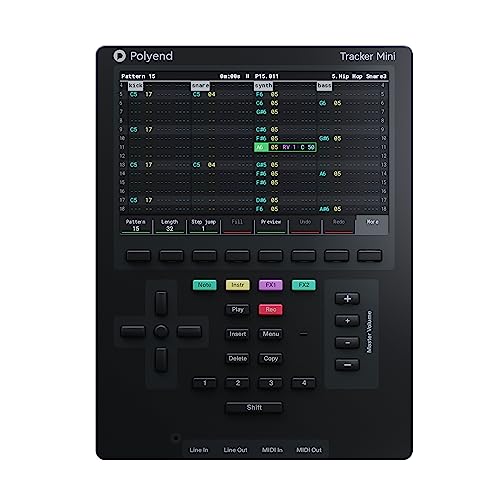
- Standalone workstation sampler with 4,000 preloaded samples
- Wavetable and granular synthesis expand sound design options
- Tracker-style buttons, dial, and keyboard input for sequencing
Best For: Producers who prefer a structured tracker workflow with sampling and synthesis
Premium Performance Pick
Roland SP-404MKII Creative Sampler Bundle
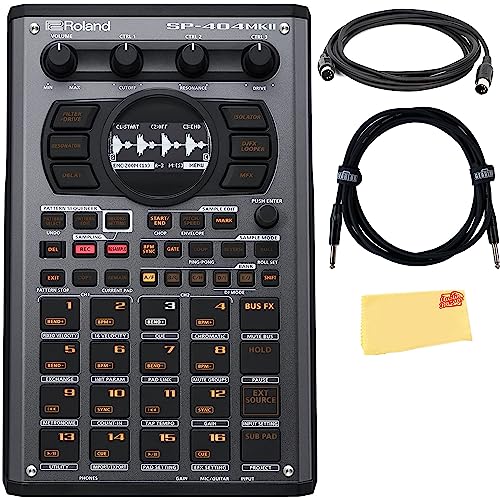
- 17 pads and updated knobs for hands-on control
- Skip Back Sampling captures up to 40 seconds of audio
- Battery power, USB audio, and DJ mode support flexible use
Best For: Beatmakers and live performers who want a fast, rugged sampler
Beginner Portable Pick
CASIO SXC-1 Portable Standalone Sampler

- Built-in mic, speaker, and USB audio simplify recording
- 64 GB internal storage with WAV support
- Compact battery-powered body with 16-track sequencing
Best For: Beginners who want a compact, easy-to-use sampler
Classic Portable Pick
Roland SP-404SX Linear Wave Sampler

- Built-in mic and battery power support sampling anywhere
- 29 DSP effects include filter, delay, and looper
- 12 pads, Sub Pad, and sequencer aid live performance
Best For: Portable users who want a classic hands-on sampler
Portable Groovebox
Polyend Play+ standalone sampler groovebox
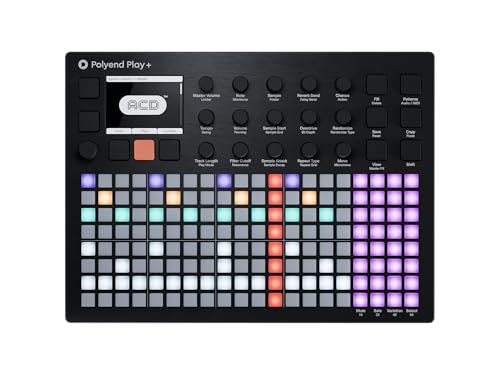
- 16 stereo tracks for multi-part sequencing
- 5000+ onboard samples with 16GB microSD included
- Backlit performance pads for live triggering
Best For: Producers who want a pad-based standalone sampler with lots of onboard sounds and track count.
Performance Sampler
Roland SP-404A portable effects sampler

- Built-in mic and battery power for mobile sampling
- 29 DSP effects with filter, delay, and looper tools
- 12 trigger pads plus Sub Pad for quick triggering
Best For: Mobile beatmakers and performers who want a compact sampler with effects and quick pad control.
Pattern Workstation
Korg electribe Sampler with pattern chaining

- Pattern chaining for building full songs and sets
- One-level undo for quick workflow recovery
- Includes Ableton Live 9 Lite and MIDI cables
Best For: Electronic musicians who want a compact sampler for pattern chaining and full-song creation.
Portable MPC Starter – Akai MPC Sample
If you want standalone samplers that feel approachable without giving up the classic MPC workflow, the Akai Professional MPC Sample is built for fast idea capture and beatmaking anywhere. It combines a compact sequencer, onboard effects, a built-in speaker, and battery power so you can sketch, chop, and resample without a computer.
Best For: Beginners, finger drummers, and DAWless creators who want a portable MPC-style sampler with self-contained recording and playback.
Pros:
- Standalone operation with rechargeable battery, built-in speaker, and internal microphone
- 16 responsive MPC pads plus a 2.4-inch color display for hands-on sampling and sequencing
- Over 100 factory kits, Instant Sample Chop Mode, and internal resampling for quick groove building
- USB-C audio/MIDI, microSD storage, and broad I/O for studio or live setups
Cons:
- MIDI in/out requires a 1/8-inch to MIDI DIN adapter, which is not included
- Compact size favors portability over the deeper hands-on layout of larger MPC units
Overall, this is a strong entry point if you want a modern standalone sampler that keeps the MPC workflow intact while staying compact and mobile. It is especially appealing for quick sample capture, sketching beats, and building ideas away from the DAW.
Live DJ Performance Hub – Pioneer DJS-1000
Among standalone samplers for DJ rigs, the Pioneer DJ DJS-1000 is designed to slot into live sets with a tactile, performance-first workflow. The 16 velocity-sensitive pads, 7-inch touchscreen, and step sequencer make it easy to build loops and trigger samples without a laptop.
Best For: DJs who want a dedicated hardware sampler and sequencer that syncs cleanly with CDJs and DJM mixers.
Pros:
- Standalone sampler and sequencer with no laptop required
- 16 velocity-sensitive pads and a 7-inch touchscreen for hands-on control
- Step-sequencer layout supports fast pattern building during performances
- PRO DJ LINK sync keeps samples aligned with the rest of a DJ setup
Cons:
- Heavier than compact portable samplers at 15 pounds
- More specialized for DJ performance than for all-purpose beat production
If you want a sampler that behaves like a true live performance instrument, the DJS-1000 is built for that job. It is a practical choice when tight tempo sync, tactile triggering, and on-the-fly edits matter more than portability.
Pocket Creative Sampler – Roland AIRA Compact P-6
If you want standalone samplers in a tiny format, the Roland AIRA Compact P-6 focuses on quick capture and detailed sound shaping on the go. It adds a built-in microphone, chop and step-sampling tools, chromatic playback, and granular controls, making it easy to turn small ideas into playable instruments.
Best For: Mobile creators and sound designers who want a pocket-size sampler with deep editing tools.
Pros:
- Pocket-size sampler with built-in mic for fast sample capture
- Chop and Step Sampling features help split and assign sounds quickly
- Chromatic and polyphonic playback expand performance flexibility
- Granular parameters and dedicated filter/envelope controls support detailed sound design
Cons:
- Small format may limit the physical control surface compared with larger units
- Full sample management depends on the P-6 Sample Tool software for macOS and Windows
The P-6 stands out if you want a compact standalone sampler that still offers serious editing options. It is especially useful for capturing sounds quickly, reshaping them, and playing them back in musical ways without needing a laptop in the moment.
Tracker-Style Workstation Pick – Polyend Tracker Mini
The Polyend Tracker Mini takes a different approach to standalone samplers by combining a portable audio workstation with sampler, wavetable synthesis, and granular synthesis tools. With 4,000 preloaded samples and a tracker-style control layout, it is aimed at users who like building tracks in a structured, hands-on environment.
Best For: Producers who want a portable tracker workstation with sampling and synthesis in one box.
Pros:
- Standalone audio workstation sampler with 4,000 preloaded samples
- Includes wavetable synthesis and granular synthesis for broader sound design
- Portable design with microSD-to-USB-A adapter and USB-A power adapter included
- Button, dial, and keyboard-style input supports a tracker workflow
Cons:
- Tracker-style workflow may feel less immediate than pad-based samplers
- At 2.7 pounds, it is portable but not as ultra-compact as pocket units
This is a smart pick if you want a standalone sampler that leans into sequencing and synthesis as much as sample playback. It suits creators who prefer a more structured production flow and want plenty of material ready to shape.
Premium Performance Pick – Roland SP-404MKII Creative Sampler Bundle
If you want standalone samplers that prioritize speed, hands-on control, and performance-friendly workflow, the Roland SP-404MKII is built for exactly that. It combines 17 pads, updated knobs, fast loading, and classic SP effects with a revamped sampling and sequencing process that suits both beatmakers and live performers.
Best For: Beatmakers, performers, and creators who want a rugged sampler with fast editing and live-friendly effects.
Pros:
- 17 ultra-expressive pads with updated knobs for tactile control
- Skip Back Sampling captures up to 40 seconds of your last performance
- DJ mode, classic SP effects, and a revamped sampling/sequencing workflow
- Battery power, USB audio streaming, and dual headphone outputs add flexibility
Cons:
- Bundled accessories add value, but the core unit is still geared toward hands-on users
- May be more sampler than a simple beginner practice tool
As a standalone sampler, the SP-404MKII stands out for workflow speed and live capture features. It’s a strong choice if you care more about making, chopping, and performing samples than about a stripped-down entry-level setup.
Beginner Portable Pick – CASIO SXC-1 Portable Standalone Sampler
CASIO Portable STANDALONE Sampler SXC-1 Sampler for Beginners to Make and Play Songs Easily
Check Price On AmazonFor shoppers comparing standalone samplers, the CASIO SXC-1 is aimed at easy song-making in a compact format. It offers built-in mic and speaker support, 64 GB of internal storage, and a straightforward 16-step, 16-track sequencer that should feel approachable for beginners.
Best For: Beginners and portable users who want a lightweight sampler with simple recording and sequencing.
Pros:
- Built-in microphone, speaker, and USB audio input make it easy to get started
- 64 GB eMMC storage and WAV recording support provide plenty of room
- Compact, battery-powered design is easy to carry
- 16-track x 16-step sequencer supports basic song building
Cons:
- Maximum sampling time is limited to 15 minutes
- Best suited to simple workflows rather than deep performance features
The SXC-1 is a practical entry point if you want standalone sampling without a steep learning curve. Its small size and built-in playback tools make it a convenient choice for casual creation and quick ideas.
Classic Portable Pick – Roland SP-404SX Linear Wave Sampler
If you’re shopping for standalone samplers with a proven performance layout, the Roland SP-404SX keeps things straightforward. It offers built-in mic sampling, battery power, 12 trigger pads, and 29 DSP effects, making it a compact option for portable beat work and live triggering.
Best For: Users who want a classic, portable sampler with performance effects and simple hands-on control.
Pros:
- Built-in mic and battery power support sampling anywhere
- 29 DSP effects, including filter, delay, and looper, add creative options
- 12 trigger pads, 3 control knobs, and a Sub Pad support fast triggering
- Pattern sequencer with quantize and shuffle feels helps build grooves
Cons:
- Uses an older storage format with 1GB SD included and up to 32GB SDHC expansion
- More limited pad count than newer performance samplers
The SP-404SX remains appealing if you want a no-frills sampler with classic Roland performance character. It’s a practical choice for users who value portability, effects, and hands-on sampling over modern bells and whistles.
Portable Groovebox – Polyend Play+ standalone sampler groovebox
If you want standalone samplers that double as a creative groovebox, the Polyend Play+ is built for fast sketching and performance. It offers 16 stereo tracks, backlit performance pads, and a large onboard sample library, so you can build ideas without needing to load a computer first.
Best For: Producers who want a pad-based standalone sampler with lots of onboard sounds and track count.
Pros:
- 16 stereo tracks give you plenty of room for layered patterns and arrangements.
- Backlit performance pads support hands-on triggering and live play.
- Includes 5000+ onboard samples plus a 16GB microSD card and slot.
- 3.5mm headphone out makes it easy to monitor privately.
Cons:
- Focused on pad workflow, which may not suit every sampler user.
- Uses microSD for storage expansion rather than a larger internal drive.
The Play+ is a practical option if you want a standalone sampler that leans into performance and quick workflow. Its mix of onboard content, multiple tracks, and tactile pads makes it a strong fit for building ideas anywhere.
Performance Sampler – Roland SP-404A portable effects sampler
For musicians looking at standalone samplers that are easy to take anywhere, the Roland SP-404A keeps the setup simple and performance-focused. It includes a built-in mic, battery power, 12 trigger pads, and a sequencer-friendly design, making it useful for sampling and triggering ideas on the move.
Best For: Mobile beatmakers and performers who want a compact sampler with effects and quick pad control.
Pros:
- Built-in mic and battery power support sampling anywhere.
- 12 trigger pads, three control knobs, and a Sub Pad help with fast performance control.
- 29 DSP effects include filter, delay, looper, and voice effects.
- Comes with an SD card containing over 100 stereo samples, effects, and one-shots.
Cons:
- Only 12 trigger pads, so it is less expansive than larger pad-based units.
- Some sequencing features depend on compatibility with the TR-8 system version.
The SP-404A stands out if you want a standalone sampler that prioritizes portability and effects over deep workstation-style complexity. It is especially appealing for hands-on sample triggering and live-style experimentation.
Pattern Workstation – Korg electribe Sampler with pattern chaining
If you want standalone samplers with a strong pattern-building workflow, the Korg electribe Sampler is geared toward fast electronic music creation. It adds pattern chaining, one-level undo, and original-value indicators, so it is aimed at hands-on sequencing and arranging rather than just one-shot triggering.
Best For: Electronic musicians who want a compact sampler for pattern chaining and full-song creation.
Pros:
- Pattern chaining lets you string patterns together into full songs or sets.
- One-level undo makes it easier to recover from a recording mistake.
- Original value indicators help track knob positions while editing.
- Includes Ableton Live 9 Lite and MIDI adapter cables.
Cons:
- Requires an optional SD card to access the full set of 400+ bonus patterns.
- Less focused on raw portability features than some other standalone samplers.
The electribe Sampler is a solid pick if you care most about structuring ideas into complete tracks. Its sequencing tools and included software support make it especially appealing for electronic production workflows.
How We Picked These Standalone Samplers
We prioritized practical features that matter in real use: sample capture speed, editing depth, pad response, sequencing, portability, and how well each unit handles both studio sketching and live performance. We also looked for models that offer clear workflows for different skill levels, from beginner-friendly sampler boxes to more advanced production tools.
Quick Comparison: Which Type Fits Your Workflow?
If you want a compact beat sketchpad, look at smaller portable units that make sampling and resampling easy on the go. If you need a performance center, choose a model with stronger sequencing, more hands-on control, and better live manipulation tools. For producers building complete tracks, more workstation-style Standalone Samplers may be the better fit because they combine sampling, sequencing, and arranging in one box.
Key Buying Factors for Standalone Samplers
Workflow and Speed
The best Standalone Samplers should let you capture audio, trim it, and start playing quickly. Look for intuitive pad layouts, fast access to editing tools, and a menu system you can learn without constant reference checks.
Sampling and Editing Depth
Some samplers focus on basic chop-and-play functions, while others offer detailed waveform editing, time-stretching, pitch control, slicing, and effects. Choose the level of control that matches your style; extra depth is useful, but only if you will actually use it.
Sequencing and Performance Features
For live use, sequencing strength matters as much as sample quality. Features like pattern chaining, motion recording, MIDI sync, and real-time effects can make Standalone Samplers much more versatile on stage and in the studio.
Portability and Power
If you plan to travel or jam away from your desk, battery power, compact size, and durable construction become important. Bigger systems may offer more control, but smaller models are often easier to carry and quicker to set up.
Who Should Buy Which Standalone Samplers?
Beginners should look for the most straightforward workflow and clear controls. Live performers may prefer models with responsive pads, strong effects, and reliable sequencing. Producers who want deeper arrangement tools should lean toward workstation-style Standalone Samplers with broader editing and MIDI integration. If portability is your top priority, a compact unit is usually the smartest choice.
In short, the best choice depends on whether you value simplicity, performance, or full production flexibility. Focus on the workflow first, then match the features to how you actually make music.