The Shure SM7B is a legendary broadcast microphone, but its low output often demands more clean gain than a basic audio interface can provide. The right microphone preamp for SM7B can raise signal level without adding distracting hiss, while also simplifying gain staging for podcasts, streaming, voice-over, and recording.
We compared 10 popular options across inline boosters, dedicated preamps, and full-featured channel strips. This guide focuses on gain, noise performance, phantom-power requirements, connectivity, and the features that matter most in a practical SM7B signal chain.
Best 10 Microphone Preamp for Sm7b Picks for 2026
Low-Noise Inline Boost
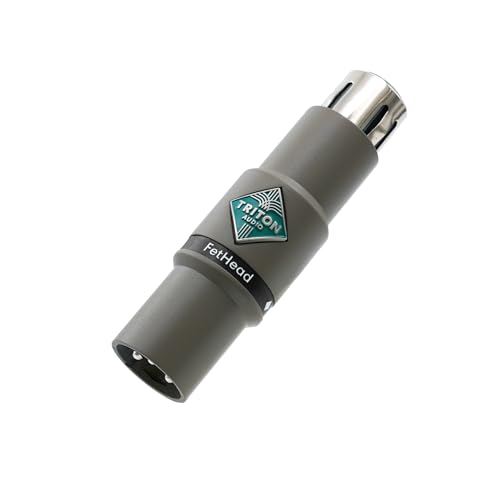
- Low-noise Class-A JFET amplifier
- Shielded compact enclosure
- Four matched JFETs
Best For: Compact recording and podcasting setups
Ultra-Clean Gain
Cloudlifter CL-1 Mic Activator

- Up to +25 dB clean gain
- Phantom-powered operation
- Safe for passive ribbon microphones
Best For: Podcasts, voiceover, and passive microphones
Complete Voice Channel Strip
dbx 286s Mic Preamp and Processor

- Compression and de-essing built in
- Enhancer and expander/gate included
- Rack-mountable 1U format
Best For: Broadcast and studio voice processing
Affordable 25 dB Booster

- Delivers 25 dB clean gain
- Powered by external 48V phantom power
- Designed for dynamic and ribbon mics
Best For: Podcasts, streaming, and live dynamic-mic setups
Flexible Channel Control

- One-channel preamp/DI design
- +48V phantom power included
- Polarity reverse, highpass, and Air boost
Best For: Hands-on vocal and instrument recording
High-Gain Versatility

- Up to 75 dB of gain
- -120 dB EIN specification
- XLR and dual 3.5mm outputs
Best For: Flexible vocal, podcast, and home-studio setups
Compact Inline Boost
Coda MB-Stealth Inline Booster
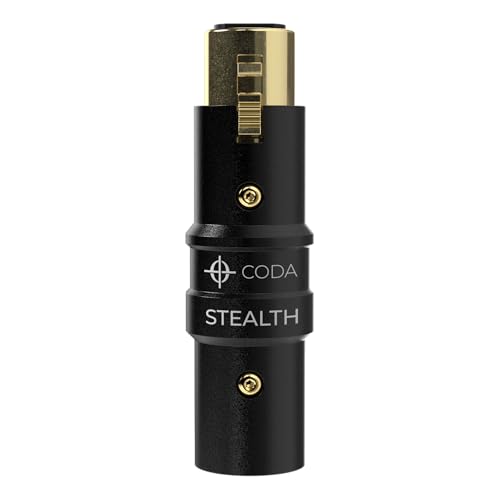
- Adds 28 dB of clean gain
- Powered by interface phantom power
- For dynamic and ribbon microphones
Best For: Simple SM7B gain boosting with an existing interface
Simple SM7B Signal Booster

- Adds 29 dB of gain for dynamic and ribbon microphones
- Compact metal XLR inline design
- Requires 48V phantom power; not for condensers
Best For: SM7B users who need a straightforward inline gain boost
Flexible Low-Noise Preamp

- Adjustable 19–66 dB gain range
- Supports microphones and instruments
- USB-C powered with XLR/TRS/TS connectivity
Best For: Creators wanting flexible gain and occasional instrument recording
Feature-Rich SM7B Preamp

- 0–72 dB gain with stated −120 dBV EIN
- Includes 48V, HPF, phase, and Hi-Z controls
- USB-C and power-bank support for portable use
Best For: Streamers and studios needing extensive control and portability
Low-Noise Inline Boost – Triton Audio FetHead
If you need a microphone preamp for SM7B-style gain challenges without adding a full channel strip, the Triton Audio FetHead is a compact inline option. Its low-noise Class-A JFET design and shielded enclosure are suited to setups where clean signal boosting matters.
Best For: Home studios, podcasting, and recording setups that need a compact inline preamp.
Pros:
- Low-noise Class-A JFET amplifier design
- Double single-ended amplifier topology
- Shielded enclosure with four matched JFETs
- Compact 2.72-ounce form factor
Cons:
- Requires a compatible powered setup; the supplied notes specify 24-volt operation
- Provides inline amplification rather than compression or other channel-strip processing
The FetHead makes the most sense when you want a small, focused gain solution rather than a rack unit with extensive controls. Confirm your system’s power and connection requirements before purchasing.
Ultra-Clean Gain – Cloudlifter CL-1 Mic Activator
The Cloudlifter CL-1 is a strong microphone preamp for SM7B users who need more clean gain from a passive microphone. It uses phantom power to provide up to +25 dB while preventing phantom power from passing through to the microphone.
Best For: Podcasting, voiceover, streaming, live sound, and studio recording with passive microphones.
Pros:
- Provides up to +25 dB of ultra-clean gain
- Uses +48V phantom power without passing it to passive microphones
- Designed to reduce noise and improve signal strength
- Compatible with passive ribbon microphones and standard microphone inputs with phantom power
Cons:
- Requires phantom power from an interface or other compatible source
- Single-channel design
The CL-1 is a straightforward choice when your main priority is adding gain while preserving the microphone’s natural sound. Its passive-microphone compatibility makes it especially relevant for dynamic and ribbon applications.
Complete Voice Channel Strip – dbx 286s Mic Preamp and Processor
The dbx 286s is more than a microphone preamp for SM7B setups: it combines mic preamplification with compression, de-essing, enhancement, and an expander/gate. It is a practical option when you want to shape voice levels and tone before the signal reaches your recording or broadcast system.
Best For: Rack-based podcast, broadcast, studio, and live sound systems needing integrated voice processing.
Pros:
- Includes compression, de-esser, enhancer, and expander/gate
- Accepts balanced or unbalanced microphone inputs
- Offers XLR mic, 1/4-inch TRS line, insert, and loop-out connections
- Rack-mountable 1U design with status and level LEDs
Cons:
- Larger and heavier than an inline gain booster
- Requires corded AC power
- May offer more processing than needed for users seeking gain only
The 286s is best suited to a more permanent audio rack or desktop control setup. Choose it over a simple booster if compression, de-essing, and gating are part of your workflow.
Affordable 25 dB Booster – FC-1 Dynamic Mic Preamp
The FC-1 is a microphone preamp for SM7B and other low-output dynamic microphones that need additional clean gain. It uses 48V phantom power from an audio interface or external supply to deliver 25 dB of gain, while the product notes specifically exclude condenser microphones.
Best For: Podcasting, streaming, live sound, broadcast, and studio recording with dynamic or ribbon microphones.
Pros:
- Provides 25 dB of clean gain
- Uses phantom power supplied by an interface or external source
- Designed to reduce line noise over long cable runs
- Suitable for studio and live applications
Cons:
- Does not supply phantom power itself
- Not compatible with condenser microphones
- Requires a 48V phantom-power source
The FC-1 is a focused gain booster for users who already have phantom power available and want a simple way to strengthen a dynamic or ribbon microphone signal. Check compatibility with your microphone and interface before ordering.
Flexible Channel Control – Pre73 Jr MKII
If you need a microphone preamp for SM7B setups with hands-on recording controls, the Pre73 Jr MKII combines one-channel preamp operation with DI functionality. Its phantom power, polarity reverse, highpass filter, and Air boost provide useful flexibility for vocals, instruments, and home recording workflows.
Best For: Users who want a one-channel microphone preamp and DI with practical tone-shaping controls.
Pros:
- Provides microphone preamp and DI functionality in one channel.
- Includes +48V phantom power for compatible microphones.
- Offers polarity reverse, highpass filter, and Air boost controls.
- Works with Pro Tools, Ableton Live, and Reaper workflows.
Cons:
- Limited to one channel.
- The supplied details do not specify a maximum gain figure.
Choose this model when you value extra input and tone-shaping features more than multiple channels. Its two-year warranty is also useful for buyers building a longer-term recording setup.
High-Gain Versatility – MIC-1 Mic Preamp
For an SM7B microphone preamp that prioritizes substantial gain and flexible connections, the MIC-1 offers up to 75 dB of gain and a stated -120 dB EIN. It supports dynamic and condenser microphones, including the SM7B, while providing balanced XLR and auxiliary 3.5mm outputs.
Best For: Podcasters, vocalists, and home-studio users who need high gain and multiple output formats.
Pros:
- Provides up to +75 dB of stated clean gain.
- Lists -120 dB EIN for low-noise operation.
- Supports dynamic and condenser microphones with 48V phantom power.
- Offers balanced XLR plus independent 3.5mm mic and line outputs.
Cons:
- The two input ports cannot be used simultaneously.
- Its four-channel specification may be less straightforward for buyers seeking a simple one-channel unit.
This is the most connection-flexible option in the group, especially if you record to both traditional studio equipment and compact devices. Confirm your input and output needs before buying because the two inputs are not simultaneous.
Compact Inline Boost – Coda MB-Stealth Inline Booster
The Coda MB-Stealth is a compact microphone preamp for SM7B users who already have an audio interface with 48V phantom power. Rather than functioning as a full-featured standalone preamp, it adds 28 dB of stated clean gain inline for dynamic and ribbon microphones.
Best For: SM7B, dynamic-mic, and ribbon-mic users who need a simple inline gain boost.
Pros:
- Adds 28 dB of stated clean gain.
- Uses an interface’s 48V phantom power.
- Compact aluminum design weighs 3.9 ounces.
- Specified for dynamic and ribbon microphones.
Cons:
- Does not work with condenser microphones.
- Requires an audio interface that supplies 48V phantom power.
- Provides gain boosting rather than the broader controls of a standalone preamp.
Pick the MB-Stealth when your existing interface needs extra level for a low-output dynamic microphone and you want the smallest possible solution. It is less suitable if you need phantom-powered condenser support or additional preamp controls.
Simple SM7B Signal Booster – StudioMan DPM1
The StudioMan DPM1 is a compact microphone preamp for SM7B setups that need an additional 29 dB of gain before the signal reaches an interface or mixer. It is designed for dynamic and ribbon microphones and requires 48V phantom power from the connected equipment, although it does not pass phantom power to the microphone.
Best For: Podcasters, streamers, and live-sound users with a low-output dynamic or ribbon microphone and an interface that supplies 48V phantom power.
Pros:
- Provides 29 dB of stated clean gain for low-output dynamic and ribbon microphones.
- Compact plug-and-play XLR design with a durable metal casing.
- Designed to improve signal-to-noise performance without replacing the whole interface.
Cons:
- Requires 48V phantom power, which is not included.
- Not intended for condenser microphones.
- Offers less gain and fewer controls than a full-featured standalone preamp.
The DPM1 is a focused, low-cost solution when an SM7B or similar microphone needs more level. Check your interface’s phantom-power availability and confirm that your microphone is dynamic or ribbon before buying.
Flexible Low-Noise Preamp – RO03 Mic Preamp
The RO03 is a versatile microphone preamp for SM7B users who want substantially adjustable gain rather than a fixed inline boost. Its 19–66 dB gain range, stated −120 dBV EIN, and XLR/TRS/TS connections support microphone, instrument, and interface-based recording setups.
Best For: Home recordists and creators who need adjustable gain for dynamic, condenser, or ribbon microphones, plus occasional instrument recording.
Pros:
- Provides a practical 19–66 dB variable gain range for low-output microphones.
- Offers XLR, TRS, and TS connectivity, with a 1 MΩ instrument input.
- Uses USB-C power and is designed around a stated −120 dBV EIN noise specification.
Cons:
- The microphone and instrument inputs cannot be used simultaneously.
- The manufacturer recommends connecting to an interface’s TRS line input for the lowest noise.
- It is a powered standalone unit rather than a simple passive inline adapter.
The RO03 makes sense if your SM7B setup may expand beyond voice recording. Its adjustable gain and instrument support are useful, but plan the signal path carefully and use the recommended TRS connection when possible.
Feature-Rich SM7B Preamp – RO-04 Mic Preamp
The RO-04 is a feature-rich microphone preamp for SM7B applications, offering 0–72 dB of adjustable gain and a stated −120 dBV EIN. It also adds 48V phantom power, high-impedance instrument support, high-pass filtering, phase control, and output options for desktop or mobile streaming setups.
Best For: Podcasters, streamers, and home studios that need broad gain control, mobile-friendly power, and extra microphone or instrument features.
Pros:
- Provides up to 72 dB of adjustable gain for demanding low-output microphones such as the SM7B.
- Includes 48V phantom power, Hi-Z instrument input, HPF, and phase controls.
- USB-C power-bank compatibility supports portable recording and streaming.
- Offers separate output levels for professional interfaces and consumer or mobile setups.
Cons:
- Larger and heavier than a simple inline XLR booster.
- Its wider feature set may be unnecessary for users who only need extra SM7B gain.
- Separate microphone and instrument circuits add setup complexity.
The RO-04 is the strongest all-around option here for users who want more than gain alone. Its portability and control set are attractive for streaming, while its size and added features make it less minimal than an inline activator.
How We Picked the Best Microphone Preamp for Sm7b
We focused on products that can provide substantial, clean gain for the SM7B and similar low-output dynamic microphones. The selection includes compact inline activators, standalone preamps, and channel-strip designs so you can match the solution to your recording setup. We considered published gain ratings, noise claims, phantom-power behavior, controls, build style, and whether each unit is better suited to a simple desk setup or a more flexible studio system.
Specifications are only part of the decision. An inexpensive booster may be ideal when your interface is nearly adequate, while a dedicated preamp is more useful when you need additional headroom, input options, or front-panel control.
Quick Comparison
| Type | Best For | Main Advantage | Watch For |
|---|---|---|---|
| Inline booster | Podcasts and streaming | Simple, compact gain boost | Usually requires phantom power |
| Standalone preamp | Home studios | More gain and control | Uses additional desk space and cabling |
| Channel strip | Voice processing | Compression, EQ, gating, or de-essing | More setup complexity |
Key Buying Factors for a Microphone Preamp for Sm7b
Clean Gain and Noise
Look for enough gain to reach a healthy recording level without maxing out your interface. Around 20 to 30 dB of inline gain can help an adequate interface, while a weaker interface may benefit from a standalone unit offering substantially more. A low equivalent input-noise figure is desirable, but real-world results also depend on cables, interface gain, room noise, and microphone technique.
Phantom Power and Signal Chain
Most inline boosters draw power from 48V phantom power supplied by the interface or mixer. The phantom power energizes the booster rather than the passive SM7B, but verify the manufacturer’s wiring and compatibility guidance. Connect the microphone to the booster, then the booster to the interface, and enable phantom power only when appropriate.
Features and Connectivity
Choose an inline model for the shortest, simplest path. Select a standalone preamp if you need gain controls, multiple inputs, instrument connectivity, high-pass filtering, phase controls, or improved routing. A channel strip can reduce the need for separate processing, but compression and gating should be used carefully so they do not make speech sound unnatural.
Who Should Buy Which Microphone Preamp for Sm7b?
For Streamers and Podcasters
An inline booster is usually the most convenient choice when your interface already has a decent preamp but lacks enough clean gain. It keeps the setup compact and leaves processing to software.
For Home-Studio Voice Recording
A standalone preamp makes sense when you want more gain reserve, dedicated controls, or compatibility with several microphones. It is also a better long-term choice if you expect to expand beyond a single SM7B.
For Broadcast-Style Processing
Choose a channel strip when compression, de-essing, enhancement, and gating are central to your workflow. These units can deliver a polished monitoring sound, but they require more careful adjustment than a simple gain booster.