If you need cleaner long-run signal transmission and more reliable integration with mixers, DACs, or preamps, power amplifiers with XLR inputs are a smart place to start.
This roundup focuses on models that offer strong value, practical features, and the right mix of pro-audio and home-theater flexibility for 2026.
Best 10 Power Amplifiers with Xlr Inputs Picks for 2026
Pro Rack Power Pick
Crown XLS1502 2-Channel Pro Amp
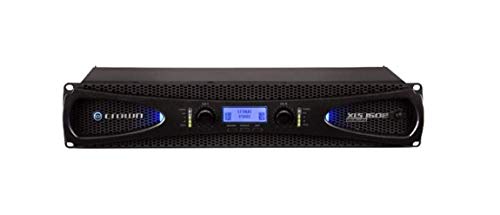
- Balanced XLR, TRS, and RCA inputs
- 525W at 4 ohms; 1550W bridged at 4 ohms
- Lightweight Class D amp with DSP tools
Best For: DJs and rack-mounted pro audio setups
Balanced Audiophile Hub
AIYIMA A20 Balanced Stereo Amp

- XLR/RCA input switching for flexible source matching
- Adjustable 60-200 Hz high-pass filter for 2.1 systems
- 116 dB SNR and 0.002% THD+N
Best For: Home audio listeners building a balanced 2.1 setup
High-Output DJ Workhorse
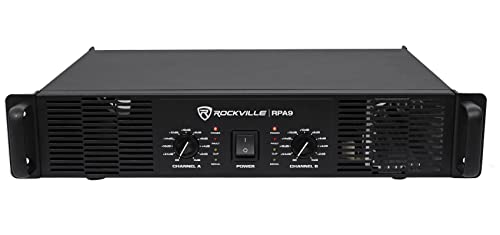
- 3000W peak and 800W RMS output
- XLR, 1/4-inch, and RCA inputs
- Speakon/banana outputs with stereo or bridged modes
Best For: DJs and live sound rigs needing rugged rack power
Compact Mono Builder
Fosi Audio V3 Mono Balanced Amp

- Balanced XLR/TRS and RCA inputs
- 240W rated power at 4 ohms for one speaker
- PFFB, TPA3255, and full-body cooling design
Best For: Single-speaker or AVR-boosted home audio builds
Pro-Use Bridgeable Rack Amp
Pyle 2-Channel Rack Mount Power Amplifier

- (2) XLR and (2) TRS inputs for flexible connections
- Bridge mode supports up to 2000W peak power
- Bluetooth, USB-A, and cooling fan add convenience
Best For: DJs and rack systems needing balanced inputs and playback flexibility
Studio-Grade DSP Amp
Crown XLS1002 2-Channel Class D Amplifier

- Balanced XLR, TRS, and RCA inputs
- DSP includes Peakx limiters and PureBand crossover
- Lightweight rack design with forced-air cooling
Best For: Live sound and installs needing DSP plus balanced XLR inputs
Compact Desktop Monoblock
GaN Mono 300W Mini Power Amplifier

- Balanced XLR/TRS and RCA inputs in a compact form
- Fanless, high-efficiency design for desktop HiFi
- Mono output with 12V trigger and auto modes
Best For: Desktop HiFi and mono setups needing balanced XLR/TRS input
Pro Stage 2-Channel
Professional 2-Channel Power Amplifier

- Up to 2 x 1500W RMS at 4 ohms
- 2 XLR inputs with Speakon outputs
- Stereo, Bridge, and Parallel modes
Best For: DJs and live audio users needing a compact high-output rack amp
Home Theater Dual-Input
Monolith M2100X Power Amplifier

- 2 x 90 watts per channel
- RCA and XLR inputs
- Simple home theater integration
Best For: Home theater systems that need flexible RCA/XLR input options
Rackmount Dual Mode
Rockville DS10 Power Amplifier

- 1000W RMS at 8 ohms bridged
- XLR inputs with Speakon outputs
- Built-in crossover and limiter
Best For: PA, subwoofer, and monitor setups needing built-in crossover control
Pro Rack Power Pick – Crown XLS1502 2-Channel Pro Amp
If you need power amplifiers with xlr inputs for a rack system, the Crown XLS1502 is built for serious flexibility. It combines balanced XLR, 1/4-inch TRS, and RCA input options with Class D DriveCore efficiency, plus DSP tools like band-pass filters, Peakx limiters, and selectable input sensitivity for different source levels.
Best For: DJs, installed sound, and portable pro setups that need a lightweight, configurable rack amp.
Pros:
- Balanced XLR inputs plus TRS and RCA for broad source compatibility
- High output ratings: 525W at 4 ohms, 775W at 2 ohms, and 1550W bridged at 4 ohms
- Lightweight design at under 11 lb with forced-air cooling
- Built-in DSP features include band-pass filtering and Peakx limiters
Cons:
- Designed for rack/pro use rather than compact desktop systems
- Advanced controls may be more than a simple plug-and-play user needs
The XLS1502 stands out when you want a powerful, road-ready amp that still gives you control over the signal path. Its combination of balanced inputs, DSP, and strong output makes it a practical choice for demanding audio setups.
Balanced Audiophile Hub – AIYIMA A20 Balanced Stereo Amp
For buyers comparing power amplifiers with xlr inputs for home audio, the AIYIMA A20 focuses on balanced signal handling and system tuning. It offers XLR/RCA input switching, a selectable gain mode, and a high-pass filter from 60 to 200 Hz, making it useful for integrating mains and subwoofer output in a 2.1 setup.
Best For: Audiophile two-channel or 2.1 systems that need balanced input options and flexible bass management.
Pros:
- XLR/RCA input toggle supports balanced and single-ended sources
- Adjustable HPF helps protect main speakers and refine sub integration
- High SNR and very low THD+N for clean playback
- Bypass mode, 12V trigger, and swappable op-amp design add flexibility
Cons:
- Single stereo amp focus, not a multi-channel power solution
- Best suited to users who will use the added setup features
The A20 is a good fit if you want balanced inputs, tuning controls, and compact high-fidelity performance in one unit. It is especially appealing when you want an amp that can integrate cleanly into a more deliberate home audio chain.
High-Output DJ Workhorse – Rockville RPA9 Rack Power Amp
If you want power amplifiers with xlr inputs for larger live setups, the Rockville RPA9 is built around output and durability. It offers XLR, 1/4-inch, and RCA inputs, along with speakON and banana outputs, stereo or bridged operation, and a built-in crossover for more control over a pro rig.
Best For: DJs, event rigs, and mobile entertainers who need a rugged rack amp with flexible connections.
Pros:
- 3000W peak and 800W RMS output for demanding applications
- Multiple input options including XLR, 1/4-inch, and RCA
- Speakon and banana outputs support pro speaker connections
- Dual fans and heat sink design help with extended use
Cons:
- Bulky 2U rack design is aimed at installed or mobile pro systems
- Best suited to users who need more power than a casual home setup
The RPA9 is a practical pick when connection flexibility and strong output matter more than compact size. Its rugged build and cooling system make it a sensible choice for longer gigs and heavier-duty audio work.
Compact Mono Builder – Fosi Audio V3 Mono Balanced Amp
For compact home theater or speaker upgrade projects, this is one of the more flexible power amplifiers with xlr inputs in a single-channel format. The Fosi Audio V3 Mono supports balanced XLR/1/4-inch TRS and RCA inputs, uses the TPA3255 Class D chip with PFFB technology, and is rated up to 240W at 4 ohms for one passive speaker.
Best For: Home audio users building a mono channel, AVR add-on, or compact high-fidelity system.
Pros:
- Balanced XLR/TRS and RCA inputs with easy input selection
- 240W rated output at 4 ohms for a single speaker
- PFFB design and quality components target low distortion and clean sound
- Full-body heat dissipation and side vents support stable operation
Cons:
- Mono design means one amp per speaker in a multi-channel setup
- Requires careful speaker-cable connection with power off
The V3 Mono makes sense if you want a small, modern amp with balanced inputs and the freedom to expand a home system one channel at a time. Its feature set is especially useful when pairing with an AVR or building a higher-power single-speaker solution.
Pro-Use Bridgeable Rack Amp – Pyle 2-Channel Rack Mount Power Amplifier
If you’re shopping for power amplifiers with xlr inputs for a rack setup, the Pyle PTA1000BT gives you flexible input options, Bluetooth streaming, and bridgeable output in one unit. It’s built for multi-speaker use with a 2-channel design, peak power up to 2000W in bridged mode, and front-panel level indicators that make basic monitoring straightforward.
Best For: DJs, small venues, and rack-mounted systems that need XLR/TRS input flexibility and Bluetooth playback.
Pros:
- Includes (2) XLR inputs plus (2) 1/4" TRS inputs for flexible wiring.
- Bridgeable design offers up to 2000W peak power in bridged mode or 1000W per channel.
- Built-in cooling fan and LED signal/clip indicators help with day-to-day operation.
- Bluetooth and USB-A playback add convenient source options.
Cons:
- Peak power figures may be more relevant than continuous output for real-world planning.
- At 6.94 kg, it is not especially light for a portable carry setup.
The PTA1000BT is a practical choice if you want a rack-mount amp with balanced XLR connectivity and extra playback features. It’s geared more toward flexible utility than premium audiophile refinement, but it covers the basics well for powered speaker systems and small event use.
Studio-Grade DSP Amp – Crown XLS1002 2-Channel Class D Amplifier
Among power amplifiers with xlr inputs, the Crown XLS1002 stands out for its balanced XLR connectivity, DSP tools, and compact Class D design. It combines 2-channel output with Peakx limiters, PureBand crossover support, and selectable input sensitivity, making it a strong fit when you want more control than a basic power amp.
Best For: Live sound, rehearsal spaces, and installed systems that benefit from XLR inputs and onboard DSP.
Pros:
- Balanced XLR inputs plus TRS and RCA options for broad compatibility.
- Built-in DSP features include Peakx limiters and PureBand crossover system.
- Lightweight Class D design weighs under 11 lb for easier rack handling.
- Forced-air cooling and sleep mode support efficient, reliable operation.
Cons:
- Rated output is lower than larger high-power touring amps.
- Best results depend on matching the amp’s sensitivity settings to your source.
The XLS1002 is a well-rounded pick when you want balanced inputs and useful protection/crossover tools in a compact rack unit. It is especially appealing for users who value reliability, setup flexibility, and practical control over raw wattage.
Compact Desktop Monoblock – GaN Mono 300W Mini Power Amplifier
If you want power amplifiers with xlr inputs for a compact listening setup, the GaN Mono is built very differently from a typical rack amp. It is a true single-channel monoblock with balanced XLR/TRS and RCA inputs, fanless cooling, and a small tabletop footprint aimed at desktop HiFi systems and near-field listening.
Best For: Desktop HiFi, Mac mini setups, and single-speaker or mono applications that need balanced input flexibility.
Pros:
- Balanced XLR/TRS and unbalanced RCA inputs work with many source components.
- Fanless, compact design is well suited to close-range desktop use.
- Selectable high/low gain and 12V trigger/auto modes add setup flexibility.
- High-efficiency GaN Class D architecture is designed for low heat and quiet operation.
Cons:
- It is a mono amplifier, so stereo systems need two units.
- Power adapter is not included, so you’ll need the proper 48V/5A supply.
The GaN Mono is a niche but appealing choice if your priority is a clean, compact desktop amp with balanced inputs. It makes the most sense for users building a modern near-field or single-speaker system rather than a traditional home-theater rack.
Pro Stage 2-Channel – Professional 2-Channel Power Amplifier
If you want power amplifiers with XLR inputs for stage, DJ, or studio use, this 1U model is built to deliver a lot of output in a compact rack space. It offers up to 2 x 1500W RMS at 4 ohms, Class-D efficiency, and flexible Stereo, Bridge, and Parallel modes for different system layouts.
Best For: DJs, live sound setups, and rack-mounted stage systems that need high output with XLR/Speakon connectivity.
Pros:
- 2 XLR inputs and 2 Speakon outputs make it easy to integrate into pro audio rigs.
- Independent front-panel gain controls help you dial in each channel separately.
- Limiter, overload protection, soft-start, and cooling support safer continuous use.
- 1U all-metal rackmount chassis keeps the footprint compact and road-ready.
Cons:
- Designed for pro rack setups, so it is not the simplest choice for casual home use.
- The high-power feature set may be more than needed for smaller rooms or basic playback.
This amplifier stands out when you need serious output, flexible routing, and built-in protection in a compact enclosure. It is a practical fit for users who want a professional XLR-input power amp with multiple operating modes.
Home Theater Dual-Input – Monolith M2100X Power Amplifier
For buyers comparing power amplifiers with XLR inputs for a home theater rack, the Monolith M2100X keeps the focus on straightforward channel power and flexible input options. It delivers 2 x 90 watts per channel and accepts both RCA and XLR connections, making it easy to fit into mixed-source systems.
Best For: Home theater setups that need a simple amplifier with both RCA and XLR inputs.
Pros:
- RCA and XLR inputs support flexible hookup options.
- 2 x 90 watts per channel suits a multi-channel home audio setup.
- Compact, lightweight design is easy to place in a rack or cabinet.
Cons:
- No additional feature details are provided beyond the basic power and inputs.
- It is less specialized for stage or DJ use than the more pro-oriented options here.
This is a practical pick if your priority is clean integration rather than advanced processing or extreme output. It is best viewed as a straightforward home theater amplifier with XLR input support.
Rackmount Dual Mode – Rockville DS10 Power Amplifier
If you’re shopping power amplifiers with XLR inputs for subwoofers, monitors, or general PA use, the Rockville DS10 offers a compact rackmount design with pro-friendly features. It provides 1000W RMS at 8 ohms bridged, Stereo, Parallel, and Bridged modes, plus a built-in crossover and limiter for more controlled system setup.
Best For: Compact pro audio rigs, subwoofer duty, and monitor setups that benefit from XLR inputs and built-in crossover control.
Pros:
- XLR inputs and Speakon outputs support standard pro audio wiring.
- Built-in 110Hz crossover options help tailor subs or tops without extra gear.
- Parallel and bridged modes add flexibility for different speaker layouts.
- LED dB meters, limiter, and protection circuitry help monitor and protect the system.
Cons:
- The feature set is geared toward pro audio users rather than casual stereo listening.
- Its output rating is lower than some larger stage amps in this roundup.
The DS10 is a strong middle-ground option when you want rack-friendly size, pro connectivity, and useful control features. It makes sense for users who need a versatile XLR-input amplifier with built-in crossover management.
How We Picked the Best Power Amplifiers with Xlr Inputs
We prioritized amplifiers that make sense for real setups, not just spec sheets. That means balanced XLR connectivity, enough power for the intended use, sensible protections, and chassis or control layouts that fit rack, desktop, or home theater environments. We also looked at whether the amp offers useful extras like DSP, bridging, filter controls, or multiple input options.
Quick Comparison
In this group, some models are built for portable PA, DJ, and rack-mounted duty, while others are better suited to home audio or compact stereo systems. Higher-output units are the better fit for live sound, larger passive speakers, and bi-amp or bridgeable use cases. Lower-output and mono designs tend to work best when you want simpler channel matching, shorter signal paths, or a cleaner home listening chain.
Key Buying Factors for Power Amplifiers with Xlr Inputs
Power and Speaker Match
Choose an amp based on your speaker impedance and the real wattage your speakers can use comfortably. More power is helpful, but only when the rest of the system can support it.
Balanced Input Needs
XLR inputs are most valuable when your source is far from the amp or runs through a noisy environment. If you are connecting from pro gear, balanced inputs can help reduce hum and interference.
Channel Count and Mode Options
Think about whether you need stereo, mono, bridge, or parallel operation. For flexible systems, those options can matter as much as raw output.
DSP, Filters, and Protection
Built-in DSP, high-pass filters, and limiters can simplify setup and help protect speakers. These features are especially useful for live sound and installed systems.
Rack Fit and Noise
Check size, cooling, and front-panel layout if the amp will live in a rack or near listeners. Compact models can be convenient, but thermal design and fan noise still matter.
Who Should Buy Which Power Amplifiers with Xlr Inputs?
If you want a dependable all-rounder for pro audio or DJ use, look for a multi-channel rack amp with XLR inputs and onboard protection. If your priority is home theater or Hi-Fi, a quieter amp with balanced inputs and lower distortion may be the better choice. For subwoofers or mono speaker duties, a monoblock can be the most efficient option. Buyers who need the simplest setup should favor models with straightforward controls and broad input compatibility, while users building a more advanced system may benefit from DSP and bridgeable output modes.
In short, the best choice depends on how much power you need, how far your cables must run, and whether you want a rugged pro-audio workhorse or a refined home listening amplifier.