Choosing the right pair of studio headphones for mastering can make small mix problems far easier to hear before a track leaves the room. The best options balance detail, tonal accuracy, comfort, and the type of isolation you need.
Below, we focus on ten proven models that suit critical listening, mixing, and mastering workflows, with choices for open-back spaciousness, closed-back tracking, and budget-conscious monitoring.
Best 10 Studio Headphones for Mastering Picks for 2026
Open-Back Detail Pick
beyerdynamic DT 990 PRO 250 Ohm

- Wide, natural soundstage
- 250 ohm for pro headphone amps
- Soft velour pads for long sessions
Best For: Engineers using a studio interface or headphone amp
Closed-Back Monitoring Staple

- Closed-ear design reduces outside noise
- 40 mm drivers for detailed monitoring
- Foldable with included soft case
Best For: Portable monitoring and editing in noisy environments
Semi-Open Studio Classic

- Semi-open tuning for natural monitoring
- Varimotion diaphragms for clear highs
- Detachable cable and adapter included
Best For: Mixing and mastering with a semi-open reference
Isolation-Focused Monitor

- Closed circumaural design for isolation
- 90-degree swiveling earcups
- Detachable cables and protective case
Best For: Closed-back studio monitoring with flexible day-to-day use
Closed-Back Isolation Pick
beyerdynamic DT 770 PRO 80 Ohm

- Closed-back design helps block room noise.
- Detailed tuning reveals subtle mix issues.
- Velour pads and light build boost comfort.
Best For: Engineers wanting isolated, detailed mastering playback.
Midrange Detail Pick
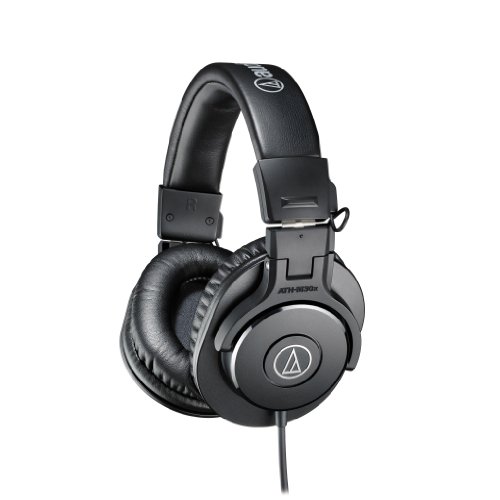
- 40 mm drivers emphasize detail and midrange.
- Closed circumaural design improves isolation.
- Collapsible shape is easy to store and carry.
Best For: Portable home-studio monitoring and editing.
German Precision Pick

- Closed-back design reduces leakage and distortion.
- Angled earcups and grooved pads aid comfort.
- Dual L/R jacks and detachable cable add flexibility.
Best For: Accurate closed-back monitoring for mixing and mastering.
Critical Studio Favorite

- 45 mm drivers with extended 20 Hz - 28,000 Hz response
- Closed-back circumaural fit helps isolate outside noise
- 90-degree swiveling earcups support one-ear monitoring
Best For: Closed-back mastering checks, tracking, and mix translation
Open-Back Reference Pick

- Open-back design with wide soundstage and detailed imaging
- 48 ohm STELLAR.45 driver spans 5 - 40,000 Hz
- Replaceable velour pads and detachable mini-XLR cable
Best For: Quiet-room mixing and mastering with spacious, detailed monitoring
Budget Studio Starter

- 40 mm drivers tuned for enhanced low-frequency performance
- Circumaural closed-back fit improves isolation
- Single-side cable exit keeps setup simple
Best For: Affordable home-studio monitoring and entry-level mastering checks
Open-Back Detail Pick – beyerdynamic DT 990 PRO 250 Ohm
If you want studio headphones for mastering that emphasize space, clarity, and long-session comfort, the beyerdynamic DT 990 PRO is a strong open-back choice. Its wide, natural soundstage and precise audio detail make it well suited for critical listening and careful mix decisions.
Best For: Mixing and mastering in a pro studio or with a dedicated headphone amp.
Pros:
- Open-back design creates a wide, natural soundstage for critical listening.
- 250 ohm impedance fits pro interfaces and dedicated headphone amps.
- Soft circumaural velour pads support long editing and mastering sessions.
- Wired over-ear build from a long-standing German manufacturer.
Cons:
- Open-back design offers no isolation for noisy environments.
- 250 ohm load may be less convenient with low-power devices.
For engineers who want a spacious, highly detailed monitoring presentation, this model is built around accuracy and comfort rather than isolation. It is a practical mastering option when you already have the right output power.
Closed-Back Monitoring Staple – Sony MDR7506
The Sony MDR7506 remains a practical pick for studio headphones for mastering when you want a closed-ear design with a detailed, workhorse sound. Its 40 mm drivers, passive noise reduction, and foldable build make it useful for monitoring, editing, and travel between sessions.
Best For: Portable studio monitoring, editing, and closed-back listening in busier spaces.
Pros:
- 40 mm drivers with neodymium magnets deliver detailed sound.
- Closed-ear design helps reduce external noise during monitoring.
- Foldable construction and included soft case support travel and storage.
- Long 9.8-foot cord is convenient for studio setups.
Cons:
- Wired cable is not detachable.
- Closed design does not provide the open, airy presentation some mastering engineers prefer.
This is a straightforward, proven monitoring headphone that favors isolation and utility. If your mastering workflow happens in shared or noisy spaces, it offers a dependable closed-back option without extra fuss.
Semi-Open Studio Classic – AKG K240 STUDIO
If you are shopping for studio headphones for mastering with a balanced semi-open feel, the AKG K240 STUDIO is a classic choice. Its XXL transducers and Varimotion diaphragms are designed for a wide dynamic range, clear highs, and reliable studio use.
Best For: Mixing, mastering, and critical listening when you want a semi-open studio sound.
Pros:
- Semi-open design supports a wider, more natural listening presentation.
- 30 mm XXL transducers with Varimotion diaphragms aim for clear highs and solid bass.
- Self-adjusting headband and over-ear pads improve long-session comfort.
- Detachable cable and included adapter add flexible connectivity.
Cons:
- Semi-open design offers less isolation than closed-back studio models.
- Best suited to studio or home listening rather than noisy portable use.
Overall, this model is built for people who want a familiar studio reference with comfort and flexibility. It is especially appealing if you want a capable all-rounder for mastering and playback.
Isolation-Focused Monitor – Audio-Technica ATH-M40x
The Audio-Technica ATH-M40x is a solid option for studio headphones for mastering when you need a closed-back monitor with strong isolation and practical features. Its 40 mm drivers, circumaural fit, and swiveling earcups make it easy to use for focused sessions and one-ear monitoring.
Best For: Engineers who want a closed-back studio monitor for isolated listening and tracking.
Pros:
- Closed circumaural design provides excellent sound isolation.
- 40 mm drivers with rare earth magnets support detailed monitoring.
- 90-degree swiveling earcups are useful for one-ear monitoring.
- Detachable cables and protective case add everyday studio convenience.
Cons:
- Closed-back tuning is less spacious than open-back mastering headphones.
- 35 ohm impedance may not provide the same high-impedance studio feel as some references.
This is a practical, durable monitor for engineers who value isolation and flexibility. If your mastering workflow overlaps with tracking or noisy spaces, it keeps the setup simple and controlled.
Closed-Back Isolation Pick – beyerdynamic DT 770 PRO 80 Ohm
If you want studio headphones for mastering with strong isolation and a clear view into mix problems, the DT 770 PRO 80 Ohm is built for focused listening. Its closed-back design helps block room noise, while the bright, detailed tuning makes subtle clipping, artifacts, and other imperfections easier to hear during critical sessions.
Best For: Engineers and mastering-focused listeners who want isolation, comfort, and detailed high-frequency monitoring in a wired studio setup.
Pros:
- Closed-back design helps keep ambient noise out for undisturbed work.
- Bright, detailed sound makes subtle mix flaws easier to notice.
- Velour pads and lightweight build support long studio sessions.
- 80 ohm version pairs well with home studio interfaces and amps.
Cons:
- Not intended for wireless use.
- 80 ohm version is best matched with suitable audio gear for proper volume control.
- Closed-back tuning may feel less open than open-back alternatives.
For mastering work that benefits from isolation and fatigue-friendly wear, this model is a practical studio tool. The replaceable parts and German construction also make it a durable long-term pick for regular use.
Midrange Detail Pick – Audio-Technica ATH-M30x
For studio headphones for mastering on a tighter budget, the ATH-M30x focuses on clean mid-range definition and practical isolation. Its circumaural closed design and tuned 40 mm drivers make it a sensible choice when you need to hear balance, vocal placement, and mix detail without a lot of extra bulk.
Best For: Home studios, tracking, and editing sessions where accurate mid-range detail and portability matter.
Pros:
- 40 mm drivers are tuned for enhanced detail and strong mid-range definition.
- Circumaural closed design provides excellent sound isolation in loud environments.
- Single-side cable exit keeps the setup tidy and practical.
- Collapsible design makes storage and transport easier.
Cons:
- More compact build than some higher-end monitoring headphones.
- Detachable cable is not mentioned in the supplied notes.
- Less premium comfort features than some larger studio models.
The M30x is a straightforward, workmanlike option for listeners who prioritize clarity and isolation over extras. It is especially appealing if you want a portable studio monitor that still handles detailed listening well.
German Precision Pick – HD 480 PRO Closed-Back
If you need studio headphones for mastering with an emphasis on accuracy, the HD 480 PRO is designed for clean, full-spectrum monitoring. Its closed-back construction, passive shielding, and distortion-reducing features aim to keep detail intact while giving you a controlled listening environment for mixing and professional studio work.
Best For: Mixing and mastering workflows that call for accurate closed-back monitoring, comfort, and versatile studio connectivity.
Pros:
- Advanced neodymium drivers and ultralight voice coil are built for clarity.
- Closed-back noise control helps reduce leakage and distortion.
- Angled earcups and grooved pads improve comfort for longer sessions.
- Detachable cable and dual L/R jacks add setup flexibility.
Cons:
- 130 ohm impedance may call for more capable source gear.
- Closed-back design won’t provide the open presentation some listeners prefer.
- Heavier than the most lightweight studio headphones listed here.
Overall, the HD 480 PRO is a serious monitoring option for users who value controlled detail and studio practicality. The accessibility touches and durable build make it a thoughtful choice for regular professional use.
Critical Studio Favorite – ATH-M50x
If you want studio headphones for mastering that lean toward a more controlled, isolating presentation, the Audio-Technica ATH-M50x is a practical pick. Its 45 mm drivers, extended frequency response, and circumaural closed-back design are built to help you hear detail, low-end balance, and monitoring issues without too much outside noise getting in the way.
Best For: Engineers and creators who need closed-back isolation for mastering checks, tracking, and mix translation.
Pros:
- Proprietary 45 mm drivers with rare earth magnets and copper clad aluminum voice coils
- Extended 20 Hz – 28,000 Hz frequency range with deep, accurate bass response
- Circumaural design helps isolate sound in loud environments
- 90-degree swiveling earcups support one-ear monitoring
Cons:
- Closed-back design won’t give the wide open soundstage some mastering users prefer
- Wired-only setup may not suit casual listening flexibility
- Sound isolation focus can feel less airy than open-back alternatives
Overall, the ATH-M50x is a dependable studio workhorse when you need isolation, durability, and a clear view of the low end. It’s a strong option for mastering-adjacent monitoring when precision and practicality matter more than an expansive open presentation.
Open-Back Reference Pick – DT 990 Pro X
For studio headphones for mastering, the beyerdynamic DT 990 Pro X is aimed at critical listening where you want more openness and spatial detail. Its open-back design, 48 ohm STELLAR.45 driver, and wide soundstage are intended to make subtle mix problems, clipping, and digital artifacts easier to hear during detailed work.
Best For: Mixing and mastering sessions where a spacious, highly detailed open-back presentation is preferred.
Pros:
- Open-back design with highly detailed spatial imaging and wide, natural soundstage
- 48 ohm STELLAR.45 driver covers 5 – 40,000 Hz with low-distortion output
- Replaceable velour ear pads and circumaural fit support long sessions
- 3 m detachable cable with locking mini-XLR connector adds convenience and security
Cons:
- Open-back design offers no noise control or isolation
- Best suited to quiet rooms rather than loud recording spaces
- More specialized for critical listening than everyday portable use
This model stands out when you want a more revealing mastering headphone that spreads detail across a natural soundstage. If your room is quiet and you value clarity over isolation, it’s a strong reference-style choice.
Budget Studio Starter – ATH-M20x
If you’re shopping for studio headphones for mastering on a tighter budget, the Audio-Technica ATH-M20x offers a straightforward closed-back monitoring approach. Its 40 mm drivers, tuned low-frequency emphasis, and circumaural sound-isolating fit make it a sensible entry-level tool for checking balance and hearing basic mix issues.
Best For: Entry-level producers and home-studio users who want affordable closed-back monitoring for foundational mastering checks.
Pros:
- 40 mm drivers with rare earth magnets and copper clad aluminum wire voice coils
- Tuned for enhanced low-frequency performance
- Circumaural design provides excellent sound isolation
- Convenient single-side cable exit for simpler handling
Cons:
- 20 Hz – 20,000 Hz range is narrower than higher-end mastering models
- Closed-back tuning is better for isolation than for expansive imaging
- More of a studio starter than a premium critical-listening headphone
The ATH-M20x is a practical, no-frills option when you need reliable isolation and basic monitoring performance. It makes the most sense as an affordable way to get into studio work before stepping up to more revealing mastering headphones.
How We Picked the Best Studio Headphones for Mastering
To narrow the field, we prioritized models known for reliable frequency response, strong build quality, and long-session comfort. For Studio Headphones for Mastering, we also weighed driver consistency, earcup design, impedance, and how well each model supports critical editing and tonal balance checks.
Quick Comparison
In broad terms, open-back headphones tend to offer a wider, more speaker-like presentation that helps with spatial detail and EQ decisions. Closed-back models are better when isolation matters, especially in shared spaces or when you need to reduce bleed during tracking and monitoring. Semi-open designs can sit between those two extremes, offering a compromise that some engineers prefer for all-purpose use.
Key Buying Factors for Studio Headphones for Mastering
Accuracy Over Hype
Look for headphones that avoid exaggerated bass or overly bright treble. Mastering work depends on hearing the mix as honestly as possible, not as impressively as possible.
Open-Back, Closed-Back, or Semi-Open
Open-back designs usually excel at stereo imaging and fatigue-free listening. Closed-back headphones are the safer pick if you need isolation or plan to work near microphones. Semi-open models can deliver a middle ground, but they are not always as isolated or as spacious as the other two styles.
Impedance and Power Requirements
Some Studio Headphones for Mastering need a capable headphone amp or interface output to perform properly. Check impedance and sensitivity so you do not end up with low volume, weak dynamics, or reduced detail.
Comfort and Fit
Mastering sessions can run long, so clamp force, pad material, and weight matter more than many buyers expect. A comfortable fit helps preserve focus and reduces listener fatigue, which can influence judgment over time.
Cable and Durability
Detachable cables, replaceable pads, and sturdy hinges can extend the useful life of a serious studio pair. Those practical details matter if you plan to keep the headphones in regular rotation.
Who Should Buy Which Studio Headphones for Mastering?
If you want the most natural sense of width and separation, lean toward open-back models. If you need isolation for recording rooms or noisy environments, choose a closed-back set. If you are building a versatile first setup, a balanced midrange-focused option can be the smartest starting point, especially when paired with a trustworthy interface or headphone amp.
For most buyers, the best choice is the pair that matches your room, monitoring chain, and workflow. The right Studio Headphones for Mastering should help you make confident decisions quickly, without second-guessing the sound.