Choosing studio subwoofers for mixing is less about “more bass” and more about hearing the low end clearly enough to make better decisions. The right sub can tighten kick and bass balance, reveal room problems, and help small monitors perform like a more complete system.
In this roundup, we focused on subwoofers that support honest monitoring, practical setup, and real-world studio use across different budgets and room sizes.
Best 10 Studio Subwoofers for Mixing Picks for 2026
Yamaha Reference Low-End
Yamaha HS8S 8" Powered Studio Subwoofer

- 8-inch powered subwoofer with 150W output
- Low-cut, high-cut, and phase controls for tuning
- 22Hz–150Hz response with dual XLR inputs
Best For: Mixing setups that need simple wired low-end control
PreSonus Wireless Reference
Eris Sub 8BT 8" Powered Subwoofer

- Bluetooth 5.0 plus TRS, RCA, and aux inputs
- Highpass and lowpass crossover controls
- 100W amp with low end down to 30Hz
Best For: Hybrid studios that want wireless convenience and wired flexibility
JBL Club-Style Depth
LSR310S 10" Studio Monitor Subwoofer
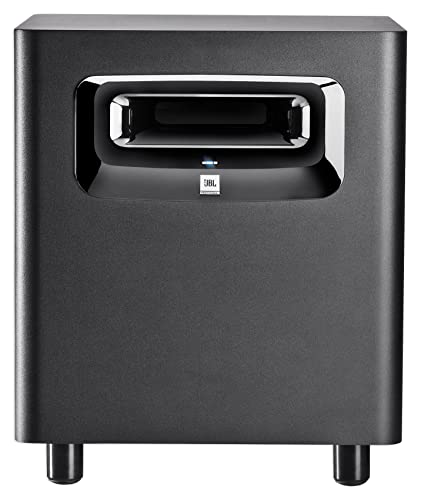
- 10-inch down-firing driver with 200W amp
- Low-frequency response into the 20Hz region
- Balanced XLR/1/4-inch I/O plus XLF mode
Best For: Engineers who want deep bass and pro balanced connections
KRK Compact Punch
S8.4 8" Powered Studio Subwoofer

- 8-inch glass aramid composite woofer
- Front-firing port and curved cabinet for placement
- 30Hz extension with 112 dB max SPL
Best For: Small studios that need flexible placement and controlled bass
Mixing Low-End
PreSonus Eris Pro Sub 10, 10-inch Front-Firing

- 10-inch front-firing driver with bass-reflex port
- Variable low-pass and switchable highpass filters
- Balanced XLR/TRS, RCA, and pass-through outputs
Best For: Mixing engineers needing flexible low-end control
Precision Monitoring
Neumann KH 750 Powered Studio Subwoofer

- 256W powered subwoofer with 10-inch driver
- Compact fit for smaller rooms and studio setups
- App-based control for setup and adjustment
Best For: Smaller mix rooms needing compact precision
Budget Studio Bass
Samson MediaOne 10S Active Subwoofer

- 10-inch woofer with down-firing tuned bass reflex port
- Variable low-pass control for crossover adjustment
- Speaker-level I/O and auto sleep mode
Best For: Affordable home studio and mixed-use setups
Reference-Ready Low End

- 10-inch glass aramid composite woofer
- 120W Class A/B amplification
- Stereo XLR and TRS wired inputs
Best For: mixing engineers wanting deep, accurate bass with flexible wired hookups
Compact Bass Control
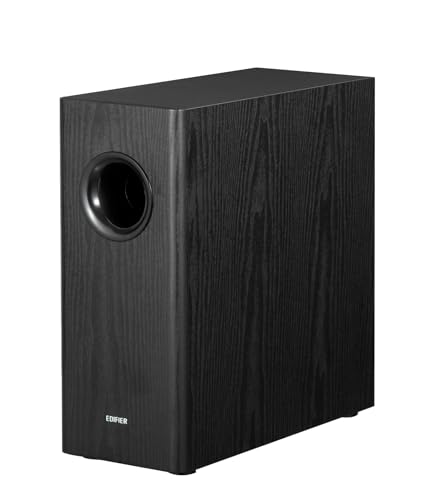
- 8-inch long-throw woofer with 35Hz bass
- Low-pass filter and phase selector
- Compact MDF cabinet with included cables
Best For: small home studios needing controlled bass and easy RCA integration
Desktop Control and Bluetooth
Mackie CR8SBT Powered Subwoofer

- 8-inch polypropylene woofer with custom-tuned ports
- Bluetooth plus TRS and RCA connections
- Desktop remote with crossover and polarity controls
Best For: desktop monitoring setups that need bass, Bluetooth, and remote volume control
Yamaha Reference Low-End – Yamaha HS8S 8" Powered Studio Subwoofer
If you want studio subwoofers for mixing that stay focused on accuracy, the Yamaha HS8S is built for low-end monitoring rather than hype. Its 8-inch powered design, 22Hz–150Hz response, and adjustable low-cut/high-cut controls make it easier to match the sub to your main monitors and room.
Best For: Mixing rooms that need a straightforward, wired sub with flexible crossover control.
Pros:
- 8-inch bass-reflex design with a 150W amplifier
- Low-cut and high-cut controls plus phase switch for setup tuning
- Wide 22Hz–150Hz frequency response for monitoring low end
- Two XLR inputs for wired studio integration
Cons:
- Wired-only subwoofer connectivity
- No room calibration or advanced DSP features listed
Overall, the HS8S is a practical choice if you want a no-nonsense studio subwoofer that helps you hear what is actually happening in the bottom end. Its simple controls and balanced XLR connections make it easy to slot into a mixing setup.
PreSonus Wireless Reference – Eris Sub 8BT 8" Powered Subwoofer
For studio subwoofers for mixing with a more flexible connection set, the PreSonus Eris Sub 8BT adds Bluetooth 5.0 alongside traditional wired inputs. It is a compact 8-inch front-firing subwoofer with a 100-watt amp, crossover controls, and a claimed low end down to 30Hz, making it useful for both production and casual reference listening.
Best For: Hybrid studios that want Bluetooth convenience plus wired monitor integration.
Pros:
- Bluetooth 5.0 plus TRS, RCA, and front-panel aux input options
- Highpass and lowpass crossover controls help match your monitors
- 100-watt design reaches down to 30Hz
- Front-panel headphone output adds quick reference flexibility
Cons:
- Smaller 8-inch format may not suit larger rooms
- Best known for compact Eris monitor pairing, not high-output bass monitoring
The Eris Sub 8BT is a good fit if you want a compact studio subwoofer that balances mix-room control with everyday convenience. Its flexible inputs and tuning controls make it easy to adapt to different monitoring setups.
JBL Club-Style Depth – LSR310S 10" Studio Monitor Subwoofer
The JBL LSR310S is one of the more robust studio subwoofers for mixing when you need deeper extension and room-filling headroom. Its 10-inch down-firing driver, 200W amplifier, and low-frequency response into the 20Hz region are aimed at serious monitoring, while the XLF setting adds a club-style bass option for special reference checks.
Best For: Mix engineers who want deep low-end extension and balanced XLR/TRS connectivity.
Pros:
- 10-inch down-firing driver with 200W amplification
- Reaches into the 20Hz region for very deep bass monitoring
- XLF setting adds a club-style tuning mode
- Balanced XLR and 1/4-inch inputs and XLR outputs for studio systems
Cons:
- Larger 10-inch format may be more than compact rooms need
- Club-style XLF mode may not be ideal for every mix decision
If you want a subwoofer that emphasizes deep extension and professional connectivity, the LSR310S is a strong contender. It is especially useful when you need a sub that can support both standard studio monitoring and low-end checks for bass-heavy material.
KRK Compact Punch – S8.4 8" Powered Studio Subwoofer
For studio subwoofers for mixing in smaller production spaces, the KRK S8.4 focuses on compact placement and controlled bass extension. It uses an 8-inch glass aramid composite woofer, a front-firing port for flexibility, and a Class D amp rated at 109 watts, with bass extension down to 30Hz and a max SPL of 112 dB.
Best For: Compact music production and recording studios that want flexible placement.
Pros:
- 8-inch glass aramid composite woofer
- Front-firing bass port and curved cabinet for placement flexibility
- 30Hz bass extension with 112 dB max SPL
- Footswitch control can enable or disable the sub and crossover filter
Cons:
- Footswitch is not included
- Wired XLR connectivity only
The S8.4 is a sensible option when you need a compact studio subwoofer that still offers meaningful low-end extension. Its placement-friendly design and simple control approach make it a practical fit for smaller mix rooms.
Mixing Low-End – PreSonus Eris Pro Sub 10, 10-inch Front-Firing
If you’re shopping for studio subwoofers for mixing, the PreSonus Eris Pro Sub 10 is built to extend the low end without taking over the system. Its 10-inch front-firing design, variable low-pass filter, and switchable highpass filter give you practical control when integrating it with full-range monitors in a serious home or pro studio.
Best For: Mixing engineers who want flexible low-frequency control and monitor integration.
Pros:
- 10-inch front-firing glass-composite driver with bass-reflex port for sub-low extension
- Variable low-pass filter from 50 Hz to 130 Hz helps match your monitors
- Switchable highpass filter, polarity invert, ground-lift, and gain control add setup flexibility
- Balanced XLR/TRS and unbalanced RCA inputs plus pass-through outputs for easy routing
Cons:
- Bulky floor-standing cabinet may be more than a small desk setup needs
- Footswitch and advanced routing features can be extra complexity for simple systems
This is a strong option if you need a controllable sub that supports mix decisions instead of just adding rumble. The included bypass footswitch also makes A/B checking your low end straightforward.
Precision Monitoring – Neumann KH 750 Powered Studio Subwoofer
For studio subwoofers for mixing where precision matters, the Neumann KH 750 is designed for professional audio applications like music studios, broadcast, and post production. Its 10-inch powered driver, compact floor or tabletop placement, and app-based control make it a practical fit for smaller rooms and tight studio setups.
Best For: Smaller studios and mixing rooms that need a compact, powered subwoofer with precise control.
Pros:
- 256W powered design with a 10-inch driver for low-end reinforcement
- Compact enclosure suited to smaller rooms and studio setups
- App control offers modern setup and adjustment convenience
- Designed for professional audio, broadcast, and post-production use
Cons:
- Wired connectivity only, so it’s not a wireless-friendly solution
- Higher-spec build may be more than casual listening setups require
The KH 750 is a focused choice if you want a powered subwoofer that fits into a mix-oriented room without dominating the space. It’s best suited to users who value compact size and precision over simple, plug-and-play bass.
Budget Studio Bass – Samson MediaOne 10S Active Subwoofer
If you want studio subwoofers for mixing on a simpler budget, the Samson MediaOne 10S keeps the feature set practical. It uses a 10-inch copolymer woofer, down-firing tuned bass reflex port, variable low-pass control, and speaker-level I/O for stereo system connections, making it a straightforward option for home studio and entertainment setups.
Best For: Home studios and mixed-use setups that need an affordable active subwoofer.
Pros:
- 10-inch copolymer woofer with butyl surround for low-end support
- Variable low-pass frequency control helps tailor the crossover point
- Speaker-level inputs and outputs simplify stereo system connections
- Selectable auto sleep mode can reduce manual power management
Cons:
- 100W output is modest compared with more powerful studio subs
- RCA-based connectivity is less flexible than balanced pro I/O
The MediaOne 10S makes sense when you want usable bass extension without overcomplicating the setup. It’s a practical pick for smaller rooms, especially if your priorities include music production, gaming, and general listening alongside mixing.
Reference-Ready Low End – Mackie MRS10 Studio Subwoofer
If you’re shopping for studio subwoofers for mixing, the Mackie MRS10 is built to add deep, extended low end without losing the responsiveness needed for balancing kick and bass. Its 10-inch glass aramid composite woofer, 120W Class A/B amp, and shelf-ported design make it a straightforward pick for production rooms that need solid bass translation.
Best For: Mixing engineers and producers who want a powerful 10-inch studio sub with wired XLR/TRS flexibility.
Pros:
- 10-inch glass aramid composite woofer for deep low-end output
- 120W Class A/B amplification for studio use
- Stereo XLR and TRS inputs for flexible wired integration
- Shelf-ported cabinet designed for satisfying bass extension
Cons:
- Bulkier than compact desktop subs
- Wired-only connection approach
- May be more output than small rooms need
The MRS10 makes sense if you want a purpose-built studio subwoofer that emphasizes accurate low-frequency reproduction and easy connection to monitors, interfaces, or mixers. It’s a practical choice when low-end detail matters more than extra features.
Compact Bass Control – Edifier T5s Powered Subwoofer
The Edifier T5s is a compact option in the studio subwoofers for mixing category, especially if you want a smaller sub that still reaches down to 35Hz. Its 8-inch long-throw woofer, 70W RMS Class-D amp, and adjustable low-pass and phase controls make it easy to dial in with desktop or bookshelf speaker setups.
Best For: Smaller home studios that need tight bass and simple integration with active speakers or RCA setups.
Pros:
- 35Hz low-end extension with an 8-inch long-throw woofer
- Low-pass filter and phase selector for setup tuning
- Compact MDF cabinet with front-firing driver and right-firing port
- Auto-standby and included cables for quick setup
Cons:
- 70W RMS output is modest versus larger studio subs
- RCA-based connectivity may limit some studio workflows
- Best suited to smaller rooms and nearfield systems
Overall, the T5s is a good fit if you want clean, controlled bass in a space-saving enclosure rather than maximum output. It’s especially appealing for home studio users who value easy setup and straightforward tuning.
Desktop Control and Bluetooth – Mackie CR8SBT Powered Subwoofer
The Mackie CR8SBT stands out among studio subwoofers for mixing if you want both dedicated bass reinforcement and Bluetooth convenience. With an 8-inch polypropylene woofer, custom-tuned ports, crossover and polarity controls, plus a desktop remote, it’s built for desktop systems and home studios that need practical hands-on control.
Best For: Desktop producers and home-studio users who want a sub with Bluetooth, remote volume control, and flexible speaker connections.
Pros:
- 8-inch woofer with custom-tuned ports for deep bass extension
- Bluetooth support for easy streaming and system connectivity
- Desktop remote included for convenient volume control
- Crossover, polarity, TRS, and RCA controls for system tuning
Cons:
- Bluetooth is useful, but not essential for a pure mixing setup
- Best suited to 2.1 desktop-style systems rather than larger rooms
- Requires corded power and remains a fairly substantial unit
For creators who want a studio subwoofer that feels modern and easy to use, the CR8SBT brings a strong mix of bass performance and convenience. Its control set makes it especially practical when you want to fine-tune a desktop monitoring rig.
How We Picked the Best Studio Subwoofers for Mixing
We selected models designed for monitoring rather than home-theater impact, with attention to frequency extension, power, crossover control, phase adjustment, connectivity, and overall suitability for Studio Subwoofers for Mixing. Preference went to subs that can integrate cleanly with nearfield monitors and give you usable low-end detail without overwhelming the room.
Quick Comparison
For smaller setups, 8-inch options can add useful depth without taking over the mix position. If you need more headroom and lower extension, 10-inch models are usually the better fit. Bluetooth and consumer-friendly inputs can be convenient, but balanced connections and adjustable crossover/phase controls matter more for accurate monitoring.
Key Buying Factors for Studio Subwoofers for Mixing
Frequency Response and Extension
Look for a sub that reaches low enough to support your monitoring goals, but remember that deeper extension is only helpful if the response stays controlled and predictable.
Crossover and Phase Controls
These controls determine how smoothly the sub blends with your mains. A flexible crossover and polarity or phase adjustment can make a major difference in translation.
Room Size and Placement
Smaller rooms often benefit from moderate output and careful placement. In larger spaces, a more powerful sub may be necessary, but room treatment still matters more than raw wattage.
Connectivity and Workflow
Balanced TRS, XLR, or clearly managed studio inputs are ideal for cleaner signal routing. Extra consumer features can be useful, but they should not come at the expense of calibration and monitoring accuracy.
Who Should Buy Which Studio Subwoofers for Mixing?
If you mainly mix in a compact project studio, an 8-inch model can be enough to extend your low end without making setup difficult. If you work on bass-heavy material, want more headroom, or mix in a larger control room, a 10-inch sub is usually the safer choice. Producers who value ease of use may prefer models with wireless or desktop controls, while engineers focused on precision should prioritize the most adjustable, studio-oriented designs.
For the best results, treat the sub as part of the full monitoring system: calibrate carefully, check mixes with and without it, and let the room guide your final setup.