Choosing the right compressor can make vocal tracks feel more polished, controlled, and mix-ready without sounding squashed. The best tube compressors for vocals add smooth leveling, harmonic warmth, and forgiving dynamics that suit both tracking and mixing.
Below, we’ve rounded up 10 options for different budgets and studio needs, from simple rack units to channel strips and compact inline solutions.
Best 10 Tube Compressors for Vocals Picks for 2026
Dual-Channel Tube Leveling
ART Pro-VLA II 2-Channel Opto Tube Leveling Amplifier

- 2-channel optical leveling amplifier
- Tube gain stage with mastering-quality path
- Large 11 lb rack unit
Best For: smooth dual-channel vocal leveling
Vintage Optical Vocal Compressor
Warm Audio WA-2A Optical Compressor

- 1-channel tube optical compressor
- All-discrete path with Cinemag transformers
- XLR studio connectivity
Best For: classic single-channel vocal compression
Tube Channel Strip for Vocals
PreSonus STUDIOCHANNEL Vacuum-Tube Channel Strip

- Tube preamp, VCA compressor, and 3-band EQ
- Class A 12AX7 front end
- 1U rack-mountable steel chassis
Best For: all-in-one vocal tracking chains
Compact Inline Vocal Compressor
Triton Audio Kompressor In-line FET-OPTO Compressor
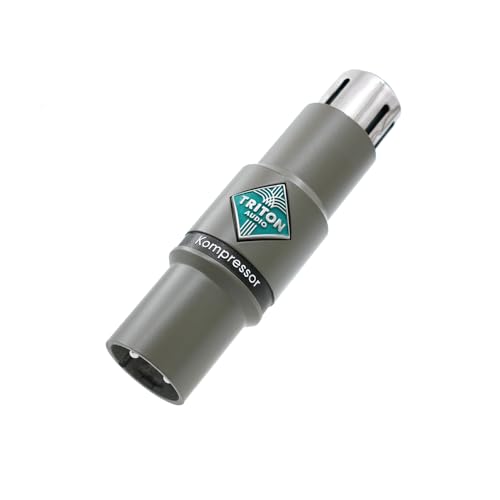
- In-line FET-OPTO compressor and preamp
- 25 dB gain for low-output mics
- Blocks phantom power to the mic
Best For: compact vocal gain and leveling at the mic
Tube Preamp for Vocals
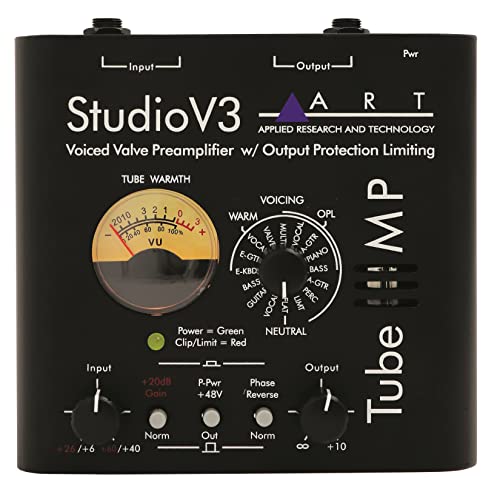
- Single-channel tube preamp with Variable Valve Voicing
- Works with vocals and several instrument types
- Compact metal design with XLR output
Best For: Vocalists who want an affordable tube front end
Optical Tube Compressor
Warm Audio WA-1B Optical Compressor

- 1-channel tube optical compressor for analog compression
- Warm, balanced, versatile sound profile
- Rackmount chassis with simple knob controls
Best For: Vocal compression with a warm analog character
Multi-Voice Vocal Compressor
ART Solo VLA Single Channel Multi-Voice Compressor

- Selectable tube/solid-state control path
- Variable blend for dry/wet compression mix
- OPTO analog optical isolators with +4dBu/-10dBV modes
Best For: Vocals that benefit from flexible tone and parallel-style control
Classic FET Character

- 1176LN-style FET compression
- Discrete path with Class-A output
- MIDAS transformers and 4 ratio settings
Best For: Vocal tracking and mix compression with vintage-style punch
Tube Preamp Combo

- Tube mic preamp with opto compressor
- Warm, vintage sound profile
- Compact all-in-one vocal front end
Best For: Home studios and vocalists wanting tube warmth plus compression
Rack Dynamics Control

- Overeasy compression with AutoDynamic controls
- Built-in gate plus sidechain insert
- XLR and 1/4-inch TRS connectivity
Best For: Studio and live vocal chains needing compression and gating
Dual-Channel Tube Leveling – ART Pro-VLA II 2-Channel Opto Tube Leveling Amplifier
If you want tube compressors for vocals with a smoother leveling style, the ART Pro-VLA II is built around optical compression and a tube gain stage. Its 2-channel design and mastering-quality audio path make it a practical option for vocal tracking or mix work when you want controlled dynamics without a hard-edged feel.
Best For: Vocalists and engineers who want a dual-channel tube leveling compressor for smooth, transparent control.
Pros:
- 2-channel optical leveling amplifier gives you flexibility for two sources or stereo use.
- Tube gain stage and mastering-quality audio path support a polished signal chain.
- Optical compression is well suited to gentle vocal control.
- 2-year warranty adds some peace of mind.
Cons:
- Large rack unit at 21.8 x 12.4 x 5.9 inches.
- At 11 pounds, it is not a portable vocal compressor.
This is a good choice if your priority is smooth, tube-based compression in a studio rack format. The dual-channel layout gives it more flexibility than a simple vocal-only box.
Vintage Optical Vocal Compressor – Warm Audio WA-2A Optical Compressor
For tube compressors for vocals that aim for a classic optical feel, the Warm Audio WA-2A brings a 1-channel tube optical design with an all-discrete signal path. It also uses custom optical photocells and Cinemag transformers, which makes it a strong fit when you want a straightforward compressor for vocal recording.
Best For: Singers and engineers looking for a single-channel optical tube compressor with a classic studio-style signal path.
Pros:
- 1-channel tube optical compressor is focused and simple to use.
- All-discrete signal path supports a clean, dedicated compression stage.
- Custom optical photocell and Cinemag transformers are included in the design.
- XLR connectivity fits standard studio setups.
Cons:
- Single-channel design limits it to one source at a time.
- At 6.6 pounds, it still belongs in a fixed studio setup.
The WA-2A makes sense if you want a classic-style vocal compressor without extra channel-strip features. Its simple layout keeps the focus on optical compression and tube flavor.
Tube Channel Strip for Vocals – PreSonus STUDIOCHANNEL Vacuum-Tube Channel Strip
If you want tube compressors for vocals plus extra front-end shaping, the PreSonus StudioChannel combines a Class A 12AX7 tube preamp, VCA compressor, and 3-band EQ in one 1U rack unit. That makes it a practical all-in-one choice for tracking vocals when you want gain, compression, and tone control in a single path.
Best For: Vocal recording setups that need a tube preamp, compressor, and EQ in one rack unit.
Pros:
- Class A 12AX7 tube mic/instrument preamplifier adds tube front-end character.
- Variable VCA compressor includes auto attack/release and soft/hard knee.
- 3-band EQ gives you additional tonal shaping after compression.
- 1U rack-mountable steel chassis is studio-friendly and compact.
Cons:
- More of a channel strip than a dedicated compressor.
- Single-channel design may not suit stereo compression needs.
This is the most versatile option here if you want one unit to handle vocal gain staging, compression, and EQ. It is a strong fit for tracking chains where convenience matters as much as tone.
Compact Inline Vocal Compressor – Triton Audio Kompressor In-line FET-OPTO Compressor
For tube compressors for vocals in a tiny source-mounted format, the Triton Audio Kompressor combines FET-OPTO compression with a 25 dB gain boost inside a compact XLR barrel. It is designed for dynamic and ribbon microphones, making it a handy option when you want to tame peaks and add gain right at the mic.
Best For: Dynamic and ribbon mic users who want in-line compression and gain in a compact format.
Pros:
- In-line compressor and preamp design keeps the setup extremely compact.
- 25 dB gain boost helps low-output microphones.
- Blocks 48V phantom power from reaching the microphone while operating from it.
- One-knob control keeps compression quick and simple.
Cons:
- Single control limits fine-tuning.
- Requires 48V phantom power to operate.
- Not a traditional rack compressor for studio outboard chains.
This model is best when convenience and size matter more than deep control. It is especially appealing for vocal recording with dynamic or ribbon mics that need clean gain and easy leveling.
Tube Preamp for Vocals – ART Tube MP Studio V3
If you’re shopping for tube compressors for vocals in a compact, budget-friendly form, the ART Tube MP Studio V3 is really a tube mic preamp with variable valve voicing rather than a dedicated compressor. That makes it a practical front-end option for singers who want tube flavor on vocals, plus extra flexibility for guitars, bass, keyboards, drums, and other sources.
Best For: Vocalists and home-studio users who want an affordable single-channel tube preamp with simple front-end tone shaping.
Pros:
- Variable Valve Voicing lets you shape the tube character.
- Works with vocals, electric and acoustic guitars, keyboards, bass, and drums.
- Compact metal enclosure and lightweight 2-pound design.
- XLR connectivity and corded electric power for straightforward use.
Cons:
- It is not a true compressor, so it won’t provide compression control.
- Single-channel design limits it to one source at a time.
As a vocal recording tool, this unit is best understood as a tube-flavored preamp rather than a compressor. If your priority is adding analog warmth before tracking vocals, it fits well; if you need actual dynamics control, you’ll want to pair it with a compressor elsewhere in the chain.
Optical Tube Compressor – Warm Audio WA-1B Optical Compressor
For buyers comparing tube compressors for vocals, the Warm Audio WA-1B stands out as a 1-channel tube optical compressor built for analog compression duties. Its warm, balanced, versatile sound profile makes it a strong fit when you want smoother vocal control in a rackmount-style processor.
Best For: Engineers and singers looking for a tube optical compressor with a warm, balanced sound profile.
Pros:
- 1-channel tube optical compression for vocal dynamics control.
- Warm, balanced, versatile sound profile.
- Knob-based controls keep operation simple.
- Includes rackmount chassis and compressor unit.
Cons:
- Heavier 12.1-pound unit is less portable.
- Designed as a dedicated compressor, so it’s less of an all-purpose front end.
If your main goal is compression on vocals, this is the most directly relevant option in the group. It’s a purpose-built analog compressor with tube coloration and a straightforward control layout, making it a solid choice for users who want hands-on vocal dynamics management.
Multi-Voice Vocal Compressor – ART Solo VLA Single Channel Multi-Voice Compressor
If you’re narrowing down tube compressors for vocals, the ART Solo VLA is a single-channel compressor with a selectable multi-voice tube/solid-state control path. Its mastering-quality signal path, optical isolators, and variable blend control make it a flexible option for shaping vocal dynamics while keeping the dry and compressed signals adjustable.
Best For: Vocal chains that need flexible compression character and a blend between compressed and uncompressed sound.
Pros:
- Selectable multi-voice tube/solid-state control.
- Variable blend lets you mix compressed and uncompressed signals.
- OPTO analog optical isolators for compression control.
- Switch-selectable +4dBu/-10dBV level modes.
Cons:
- Single-channel design only handles one source at a time.
- Heavier 7.06-pound unit is less portable than small desktop gear.
This unit is a good fit when you want more tonal choice than a basic compressor can offer. The blend control is especially useful for vocals, letting you keep some natural transients while still adding controlled compression and tube or solid-state flavor.
Classic FET Character – Klark Teknik 76-KT
If you’re comparing tube compressors for vocals, the Klark Teknik 76-KT is really aimed at engineers who want fast, aggressive control with a classic FET-style feel. Modeled after the iconic 1176LN D and E revisions, it brings a discrete signal path, Class-A line-level output amplifier, and MIDAS transformers into a 1U rack design.
Best For: Vocal tracking and mix compression when you want a vintage-style FET compressor with quick response and flexible ratio options.
Pros:
- Classic FET-style compressor modeled after the 1176LN D and E revisions
- Completely discrete signal path with Class-A line-level output amplifier
- Custom-built MIDAS input and output transformers
- Push-button ratio selection includes 4:1, 8:1, 12:1, and 20:1
Cons:
- Not a tube compressor design
- Rack unit only, so it is not a portable vocal channel strip
For vocals, this is a strong choice if you want the speed and character of a classic FET compressor rather than tube warmth. Its feature set is straightforward and studio-focused, with enough flexibility to handle a range of dynamic-control tasks.
Tube Preamp Combo – ART Tube MP/C
For buyers searching tube compressors for vocals, the ART Tube MP/C is the most directly relevant option here because it combines a tube microphone preamp with an opto compressor. That makes it a practical compact front end for adding warmth and basic dynamics control in one unit, with a sound profile described as warm and vintage with modern dynamics.
Best For: Vocalists and home studios that want a compact tube preamp with built-in opto compression.
Pros:
- Combines a tube microphone preamp with an opto compressor
- Warm, vintage sound profile with modern dynamics
- Compact and lightweight for smaller recording setups
- Useful as an all-in-one vocal front end
Cons:
- Single-channel compact design limits larger studio workflows
- Less specialized than a dedicated high-end vocal compressor
If you want a simple way to add tube color and compression to vocals, this unit is a sensible, space-saving pick. It is best suited to setups that value convenience and tonal warmth over a more elaborate rack compressor feature set.
Rack Dynamics Control – dbx 266xs
If you’re shopping tube compressors for vocals, the dbx 266xs is not a tube unit, but it is a practical rack compressor/gate for tightening vocal dynamics in studio or live setups. Its Overeasy compression, AutoDynamic attack and release controls, and sidechain insert make it a flexible option when you need smooth control and clear vocal placement.
Best For: Studio and live vocal chains that need straightforward compression and gating in a single rack space.
Pros:
- Overeasy compression with AutoDynamic attack and release controls
- Sidechain insert for more precise frequency-focused control
- LED displays for gain reduction, compression threshold, and gate threshold
- XLR and 1/4" TRS I/O for flexible integration
Cons:
- Not a tube compressor
- Rack-format unit may be overkill for simple home recording needs
This is a solid utility processor if your priority is clean, controllable vocal dynamics rather than tube coloration. It fits well in rigs that need both compression and gating, especially where quick setup and visual feedback matter.
How We Picked These Tube Compressors for Vocals
We focused on units that are practical for real vocal recording workflows, with an emphasis on smooth gain reduction, useful tube coloration, and flexible integration into home and project studios. We also considered channel count, form factor, and whether each model works better for tracking, mixing, or front-end shaping.
Because Tube Compressors for Vocals can behave very differently from model to model, we favored gear that offers either classic optical-style smoothing, fast FET-style control, or a hybrid channel-strip approach for singers who want an all-in-one signal path.
Quick Comparison: What These Different Designs Do Best
Optical compressors are often the easiest choice for vocals when you want gentle, musical leveling. Tube channel strips are ideal if you want preamp, compression, and sometimes EQ in one box. FET-style models usually deliver quicker response and more assertive control, while inline compressors are best when space and simplicity matter.
If you’re comparing Tube Compressors for Vocals, think first about the end result: transparent leveling, audible thickness, or a more forward and controlled lead vocal.
Key Buying Factors for Tube Compressors for Vocals
Compression Style
Optical designs are typically smoother and more forgiving on singing. FET-style compressors are better when you need fast peak control or a more energetic vocal character. Tube-based channel strips can be a strong choice if you want added coloration before compression.
Use Case
For tracking, choose a unit that is easy to set and hard to misuse. For mixing, look for predictable gain reduction and enough headroom to handle recorded vocal material cleanly. If you record multiple singers or sources, a two-channel unit may offer better long-term value.
Connectivity and Workflow
Match the compressor to your setup. Rack units suit permanent studios, while compact or inline models fit mobile rigs and smaller desks. If your vocal chain already includes a favorite preamp, a standalone compressor may be the smarter upgrade; if not, a channel strip can simplify the signal path.
Character Vs. Transparency
Some singers benefit from a little tube thickness and harmonic density, while others need clean control that stays out of the way. The best choice depends on whether you want the compressor to shape the tone or simply manage dynamics.
Who Should Buy Which Tube Compressors for Vocals?
Singers and engineers who want classic, smooth leveling should lean toward optical tube units. Producers building a versatile home studio may prefer a channel strip for its all-in-one convenience. If you need aggressive transient control, a FET-style design makes more sense. For budget-conscious users, simpler tube compressors can still deliver useful vocal polish without a large investment.
In short, the best Tube Compressors for Vocals are the ones that match your room, your mic, and how much tone shaping you want before the signal reaches your DAW.