Great vocal takes start with a clean signal path. The right preamp can add gain, reduce noise, and help a mic sit better in the mix without extra hassle.
Below, we’ve rounded up 10 of the best options for different recording setups, from simple inline boosters to feature-rich channel strips.
Best 10 Microphone Preamps for Vocals Picks for 2026
Channel Strip for Vocal Control

- Mic preamp with compression, de-essing, enhancement, and gating
- Classic dbx compression helps vocals stand out clearly
- Rack-mountable 1U unit with XLR mic input and 1/4" TRS line input
Best For: Users who want an all-in-one vocal preamp and processor
Tube Warmth on a Budget
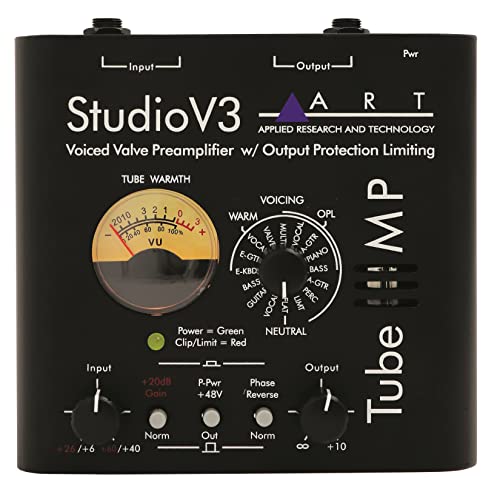
- Single-channel tube mic/instrument preamp with variable valve voicing
- Works with vocals, guitars, bass, keyboards, and drums
- Compact corded unit with a lightweight 2-pound build
Best For: Budget-minded users who want tube character for vocals
Inline Clean Gain Booster
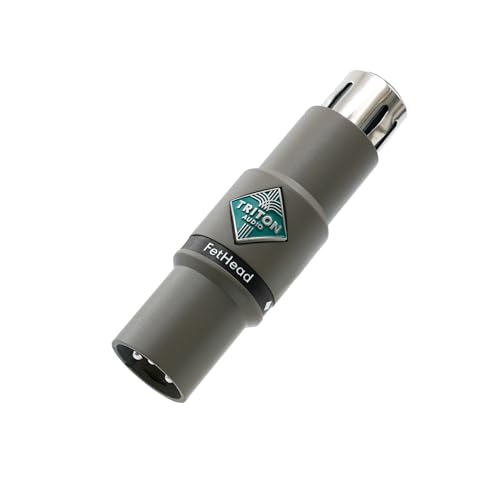
- Low-noise Class-A JFET inline microphone preamp
- Shielded metal enclosure in a compact, lightweight format
- Best for boosting gain without adding a big rack unit
Best For: Minimal vocal setups that need an inline gain boost
Tube Preamp with Vocal Controls

- 12AX7 tube preamp with XMAX solid-state input stage
- Includes phantom power, HP filter, pad, and polarity reverse
- Separate mic and instrument inputs for flexible tracking
Best For: Vocalists who want tube warmth and basic recording controls
Ultra-Adjustable Clean Gain
sE DM2 TNT Inline Preamp for Vocal Mics
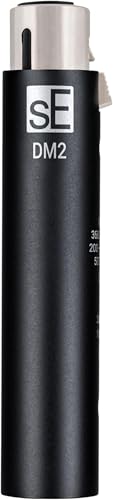
- +15dB or +30dB gain options
- 8 impedance settings for mic matching
- All-metal, low-noise inline design
Best For: Singers and recording users who need flexible gain control for dynamic or ribbon vocal mics
Simple High-Gain Booster
StudioMan DPM1 Preamp for Dynamic Vocals

- +29dB clean gain for quiet mics
- Requires 48V phantom power to run
- Metal body helps reduce interference
Best For: Users with dynamic or ribbon vocal microphones who need a straightforward gain boost
Proven Clean Boost
sE DM1 Dynamite for Vocal Mics

- +28dB transparent gain
- Fixed inline booster for dynamic and ribbon mics
- Compact metal build with XLR connectors
Best For: Vocalists and podcasters who want a simple, clean boost for low-output dynamic mics
Ultra-Low-Noise Upgrade
2026 RO03 Mic Preamp for Vocals

- Claimed -120 dB EIN for cleaner vocal gain
- 19–66 dB gain range is practical in real use
- Type-C power and TRS output favor portable setups
Best For: Vocalists who want a quiet, budget-friendly preamp for portable recording
Dual-Input Studio Choice
MIC-1 Microphone Preamp for Vocals

- Up to 75 dB clean gain with low distortion
- Dual inputs support two microphones at once
- XLR balanced and 6.35 mm outputs add flexibility
Best For: Home studios and streamers who want flexible vocal routing
Compact Budget Booster
Mic Preamp for Vocal Recording

- Compact, lightweight build for easy portability
- 20 dB gain with fully balanced low-noise circuitry
- 48V power works with dynamic and condenser mics
Best For: Users who want a simple, portable vocal preamp for small setups
Channel Strip for Vocal Control – dbx 286s
If you want microphone preamps for vocals that do more than simply raise gain, the dbx 286s is built like a practical vocal channel strip. It combines mic preamp duties with compression, de-essing, enhancement, and gating, so you can shape a vocal before it ever reaches the mix.
Best For: Singers, streamers, and home-studio users who want one rack unit to clean up and polish vocal tracks.
Pros:
- Includes compression, de-esser, enhancer, and expander/gate in one unit.
- Classic dbx compression helps bring vocals forward with more clarity and presence.
- Floating balanced XLR mic input plus 1/4" TRS line input for added flexibility.
- Rack-mountable 1U design with status LEDs for easy monitoring.
Cons:
- More complex than a simple standalone preamp.
- Designed as a rack unit, so it is less portable than compact inline options.
- Best value comes when you need the onboard processing, not just clean gain.
The dbx 286s makes sense when vocal shaping matters as much as amplification. If you want a single piece of gear that can smooth, tighten, and add presence to vocals, it offers a lot of control in a straightforward rack format.
Tube Warmth on a Budget – ART Tube MP Studio V3
The ART Tube MP Studio V3 is a simple choice for microphone preamps for vocals when you want a tube-based front end without moving into a full channel strip. Its single-channel design and variable valve voicing give you a straightforward way to add character at the input stage.
Best For: Vocalists and project studios that want an affordable tube preamp with basic flexibility.
Pros:
- Single-channel tube microphone/instrument preamp with variable valve voicing.
- Compatible with vocals plus guitars, bass, keyboards, and drums.
- Corded electric design keeps it ready for studio use.
- Compact and lightweight at about 2 pounds.
Cons:
- Single-channel only, so it is not meant for multi-mic setups.
- Less feature-rich than channel strip preamps with processing tools.
- Tube coloration may not be ideal if you want the cleanest possible signal path.
This model works best as an entry-level vocal preamp when you want tube character in a small footprint. It is less about extensive processing and more about giving a voice or instrument input a bit of analog-style personality.
Inline Clean Gain Booster – Triton Audio FetHead
If your search for microphone preamps for vocals is really about getting more usable gain from a dynamic mic, the Triton Audio FetHead takes a different approach. This inline preamp uses a low-noise Class-A JFET amplifier in a compact shielded enclosure, making it a simple signal booster at the microphone end.
Best For: Vocal setups that need a compact inline gain boost rather than a rack or desktop preamp.
Pros:
- Low-noise Class-A JFET amplifier design.
- Inline format keeps the setup small and unobtrusive.
- Shielded metal enclosure for a sturdy build.
- Very lightweight at 2.72 ounces.
Cons:
- Does not offer the processing tools found on channel strip preamps.
- Inline design is more specialized than full-featured preamps.
- Best suited to gain boosting, not tone shaping.
The FetHead is the most focused option here: it is for users who want a compact in-line preamp and little else. If your priority is cleaner, more usable gain in a minimal setup, it fits that job well.
Tube Preamp with Vocal Controls – Presonus TubePre v2
The Presonus TubePre v2 is a practical pick among microphone preamps for vocals if you want a tube-based preamp with a few useful controls built in. It pairs a 12AX7 tube stage with an XMAX solid-state input stage, plus phantom power, a high-pass filter, pad, and polarity reverse for basic vocal recording flexibility.
Best For: Vocal recording setups that need a tube preamp with helpful front-panel controls.
Pros:
- 12AX7 tube-based preamp with XMAX solid-state input stage.
- Includes gain control and tube drive saturation control.
- Offers phantom power, HP filter, -20 dB pad, and polarity reverse.
- Separate mic and instrument inputs add versatility.
Cons:
- Single-channel design limits it to one source at a time.
- More focused on simple recording utility than extensive processing.
- Tube coloration may not suit every vocal style.
For singers who want more control than a basic preamp but less complexity than a full channel strip, the TubePre v2 lands in a useful middle ground. It is a solid studio utility piece when you need tube flavor plus everyday vocal tools.
Ultra-Adjustable Clean Gain – sE DM2 TNT Inline Preamp for Vocal Mics
If you’re comparing microphone preamps for vocals, the sE Electronics DM2 TNT stands out for singers using dynamic or ribbon mics that need cleaner level without extra noise. Its inline design adds transparent gain while letting you fine-tune both output boost and impedance, which can help match the preamp to your mic and recording chain.
Best For: Vocalists, podcasters, and studio users who want flexible gain and impedance control for dynamic or ribbon microphones.
Pros:
- Selectable +15dB or +30dB gain for different vocal setups.
- Eight impedance settings from 50 ohms to 10 megaohms for mic matching.
- Transformerless, FET-based design aims for clean, transparent sound.
- All-metal build with gold-plated XLR connectors for reliable use.
Cons:
- Designed for dynamic and ribbon microphones, not condensers.
- Inline format adds another component to the XLR chain.
For vocal recording, this is a strong option if your mic sounds underpowered and you want more control than a simple fixed-gain booster. The added impedance settings make it more adaptable than many basic inline preamps, especially in studio or stage workflows.
Simple High-Gain Booster – StudioMan DPM1 Preamp for Dynamic Vocals
Among microphone preamps for vocals, the StudioMan DPM1 is aimed at low-output dynamic and ribbon microphones that need a strong clean boost before hitting an interface or mixer. It adds +29dB of gain in a compact inline format and requires 48V phantom power from the host device to operate.
Best For: Podcasters, streamers, and vocal recordists using quiet dynamic or ribbon microphones with 48V phantom-powered gear.
Pros:
- +29dB gain helps boost low-output vocal mics at the source.
- Low-noise design is intended to reduce hiss and improve signal-to-noise ratio.
- Metal housing adds durability and interference shielding.
- Works with standard XLR dynamic microphones and compatible mixers/interfaces.
Cons:
- Requires 48V phantom power from the interface or mixer.
- Not for condenser microphones.
- Gain is fixed rather than adjustable.
This is a practical plug-and-play choice if your vocal mic needs more level and you want to avoid cranking a noisy interface preamp. Just make sure your setup provides phantom power and that you’re using a dynamic or ribbon microphone.
Proven Clean Boost – sE DM1 Dynamite for Vocal Mics
If you want microphone preamps for vocals that simply add level without changing the character of the mic, the sE Electronics DM1 Dynamite is a classic inline option. It delivers +28dB of transparent gain for dynamic and passive ribbon microphones, helping low-output vocal mics reach usable recording levels more easily.
Best For: Vocal recording, podcasting, and live sound with dynamic or passive ribbon microphones.
Pros:
- +28dB clean gain for low-output vocal microphones.
- Transparent, transformerless FET design for minimal coloration.
- All-metal body with gold-plated XLR connectors.
- Compact inline format works well in studio or stage setups.
Cons:
- Only suited to dynamic and passive ribbon mics.
- No user-adjustable gain or impedance settings.
The DM1 is a strong fit if you want a dependable fixed-gain booster with a well-established feature set. It won’t add flexibility like a variable-impedance model, but it is built for straightforward, clean vocal signal boosting.
Ultra-Low-Noise Upgrade – 2026 RO03 Mic Preamp for Vocals
If you want microphone preamps for vocals on a tight budget, this upgraded RO03 is built around one main goal: cleaner gain. Its updated -120 dB EIN claim and 19–66 dB real-world gain range make it a practical pick for recording dynamic, condenser, or ribbon mics without pushing into noisy territory. The Type-C power setup also makes it easier to move between home, streaming, and portable recording rigs.
Best For: Vocal recording setups that prioritize low noise, portable Type-C power, and simple XLR/TRS output options.
Pros:
- Updated to a claimed -120 dB EIN for very low-noise operation
- Gain range of 19–66 dB is designed to be achievable in real use
- Supports dynamic, condenser, ribbon microphones, and instruments
- Type-C power and TRS line-out recommendation suit portable setups
Cons:
- The two input ports cannot be used at the same time
- Best noise performance depends on using the recommended TRS line input connection
- Single-channel design limits it to one source at a time
For vocals, this model stands out when you care more about clean amplification than flashy features. The revised gain range and noise-focused design make it a sensible entry-level preamp for users who want a clearer signal into an audio interface.
Dual-Input Studio Choice – MIC-1 Microphone Preamp for Vocals
Among microphone preamps for vocals, the MIC-1 is aimed at users who need clean gain plus flexible routing. It offers up to 75 dB of transparent boost, 48V phantom power, and dual inputs, so you can work with both dynamic and condenser microphones in one setup. The balanced output options also make it easier to connect to an interface, mixer, console, or speaker system.
Best For: Home studio vocal recording, podcasting, and live-streaming setups that need dual inputs and clean gain.
Pros:
- Up to 75 dB of clean, transparent gain
- 48V phantom power supports condenser microphones
- Two-channel input design can handle two mics at once
- XLR balanced output plus 6.35 mm stereo mic/line output adds flexibility
Cons:
- Bulkier than ultra-compact single-purpose boosters
- More connectivity options may be unnecessary for simple solo vocal chains
- Best suited to users who actually need the dual-input layout
If you want a more versatile preamp for vocal work, this MIC-1 is the most feature-rich option in the group. The combination of dual inputs, phantom power, and balanced output choices makes it a strong all-around pick for small studios.
Compact Budget Booster – Mic Preamp for Vocal Recording
This compact mic preamp keeps things simple for vocal recording. It uses a fully balanced circuit, 48V power support, and a claimed 20 dB gain to provide clean, transparent amplification for dynamic and condenser microphones. If you want microphone preamps for vocals that are easy to carry and easy to fit into a small setup, this one is built for that kind of use.
Best For: Small home studios, podcasting, and live-streaming setups that need a compact vocal booster.
Pros:
- Compact and lightweight design is easy to carry and store
- Fully balanced circuit is designed for ultra-low-noise operation
- 48V power supports both dynamic and condenser microphones
- Black metal case helps reduce EMC interference
Cons:
- Only offers 20 dB gain, so it is less powerful than higher-gain models
- Fewer features than multi-input preamps
- Best for straightforward vocal boosting rather than larger routing needs
This is the simplest option in the roundup, and that can be a strength if you only need a basic vocal boost. It is most appealing for users who value portability and low noise over maximum gain or advanced connectivity.
How We Picked These Microphone Preamps for Vocals
We focused on models that make vocals easier to capture well, not just louder. That means useful gain ranges, low noise, reliable compatibility with dynamic, condenser, and ribbon microphones, and features that match real recording needs. We also considered whether a unit is best as a simple inline booster, a tube-style studio preamp, or a channel strip for more control.
Quick Comparison
Inline preamps like the Triton Audio FetHead, sE Electronics DM1 Dynamite, and sE Electronics DM2 TNT are ideal when you need more clean level from a dynamic or ribbon mic. Desktop and rack-style options such as the dbx DBX286SV, ART Tube MP Studio V3, and PreSonus TubePre v2 offer more shaping and processing for voice work. Budget-friendly gain boosters and phantom-powered models can suit streamers, podcasters, and small studios that want a simple upgrade.
Key Buying Factors for Microphone Preamps for Vocals
Gain and Noise Performance
For vocals, enough clean gain matters more than maximum output on paper. Dynamic and ribbon mics often benefit from 15 dB to 30 dB of extra clean gain, while condenser mics may need less boost but still appreciate a quiet circuit. Look for low self-noise and strong EIN performance if you record subtle performances or quiet singers.
Mic Type Compatibility
Not every preamp works the same way with every microphone. Inline boosters are usually best for passive dynamic and ribbon mics, while channel-strip units are better if you want compression, de-essing, gating, or tonal shaping. If you use a condenser, confirm phantom power support and whether the preamp passes it correctly.
Control and Workflow
Simple plug-and-play designs are great for fast setups, but some singers need more control. Tube coloration, onboard compression, or a gate can help reduce the need for extra plugins later. Think about whether you want a transparent sound, subtle warmth, or a more processed vocal chain.
Connection and Power Requirements
Check XLR and TRS compatibility, phantom power needs, and whether the preamp adds any required power of its own. A compact inline model is easier to travel with, while a desktop unit may offer more knobs and flexibility for studio sessions.
Who Should Buy Which Microphone Preamps for Vocals?
Choose an inline booster if you mainly want more usable gain for a single vocal mic. Pick a tube or channel-strip preamp if you want more character and hands-on control during recording. If you are building a budget home vocal chain, prioritize clean gain and phantom power first, then add processing features only if you’ll actually use them. For most buyers, the best Microphone Preamps for Vocals are the ones that match the mic, the room, and the amount of control you want in your workflow.