Choosing the right headphones can make vocal tracking easier, cleaner, and more comfortable. The best pairs for studio use give singers enough isolation to stay focused while helping engineers hear details without bleed.
This roundup of studio headphones for vocal recording highlights dependable options for home studios, project rooms, and professional booths, with a focus on sound balance, fit, and monitoring performance.
Best 10 Studio Headphones for Vocal Recording Picks for 2026
Studio Monitoring Pick
Audio-Technica ATH-M50x Professional Studio Monitor Headphones

- 45 mm drivers with clear, extended sound
- Closed-back design supports good isolation
- Detachable cable and swiveling earcups
Best For: Tracking vocals and general studio monitoring
Reliable Editing Pick
Sony MDR7506 Professional Large Diaphragm Headphone

- 40 mm drivers with detailed monitoring sound
- Closed-ear design reduces outside noise
- Foldable build with included adapter and case
Best For: Vocal monitoring, editing, and travel-friendly studio use
Open-Back Value Pick
AKG K240STUDIO Semi-Open Studio Headphones

- XXL transducers with Varimotion diaphragms
- Self-adjusting headband for long sessions
- Includes 1/8 inch connector and 1/4 inch adapter
Best For: Mixing, mastering, and critical listening
Budget Studio Pick
Audio-Technica ATH-M40x Professional Studio Monitor Headphone

- 40 mm drivers with solid studio monitoring
- Closed circumaural design improves isolation
- Detachable cables and swiveling earcups
Best For: Vocal tracking on a value-focused budget
Semi-Open Studio Reference

- Semi-open design for a more open listening feel
- 50mm drivers with wide dynamic range
- 10Hz–30kHz response and self-adjusting headband
Best For: Vocal recording when you want a spacious reference sound
Closed-Back Isolation Pick

- Up to 32 dB attenuation of outside sound
- Closed-back, around-ear design for monitoring
- Replaceable earpads, headband padding, and cord
Best For: Vocal recording and monitoring where isolation is key
Balanced Detail Monitor
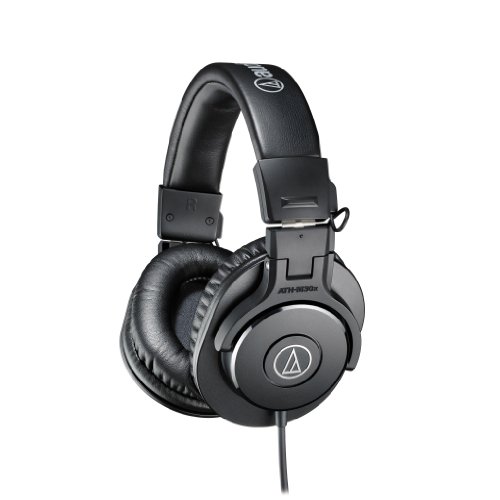
- 40mm drivers tuned for enhanced detail
- Excellent mid-range definition for vocals
- Circumaural design with good sound isolation
Best For: Vocal tracking and mixing with clear mid-range focus
Closed-Back Precision
beyerdynamic DT 770 PRO 80 Ohm

- Closed-back design helps block ambient sound.
- Detailed highs reveal recording flaws clearly.
- Velour pads and lightweight fit suit long sessions.
Best For: Vocal recording and detailed studio monitoring
Budget Tracking Choice

- Circumaural design provides solid isolation.
- 40 mm drivers are tuned for tracking and mixing.
- Single-side cable exit keeps setup tidy.
Best For: Budget vocal tracking and basic studio monitoring
Flexible Monitoring Pick
OneOdio Pro-10 Wired Headphones

- 50 mm drivers aim for clear vocals and crisp highs.
- Dual 3.5 mm/6.35 mm jacks improve compatibility.
- Swiveling ear cups help with single-ear monitoring.
Best For: Vocal recording and multi-device studio monitoring
Studio Monitoring Pick – Audio-Technica ATH-M50x Professional Studio Monitor Headphones
If you want studio headphones for vocal recording that balance detail, isolation, and comfort, the Audio-Technica ATH-M50x is a strong all-around choice. Its 45 mm drivers, extended frequency response, and circumaural design make it well suited to tracking vocals in louder spaces where bleed control matters.
Best For: Vocal tracking, monitoring, and general studio use when you want a closed-back headphone with strong isolation.
Pros:
- 45 mm drivers with deep, accurate bass and extended clarity
- Circumaural closed-back design helps isolate outside noise
- 90-degree swiveling earcups make one-ear monitoring easy
- Detachable cable adds convenience for studio setups
Cons:
- Designed as a wired monitor headphone, not a wireless option
- Closed-back tuning may feel more focused than spacious
Overall, the ATH-M50x is a practical pick for recording singers who need dependable isolation and a critically praised monitoring sound. It is built for monitoring, mixing, and tracking, which makes it easy to recommend in a vocal booth or home studio.
Reliable Editing Pick – Sony MDR7506 Professional Large Diaphragm Headphone
For studio headphones for vocal recording, the Sony MDR7506 remains a dependable closed-back option with detailed sound and strong noise reduction. Its 40 mm drivers, foldable design, and long cable make it especially useful for monitoring takes, editing, and moving between sessions.
Best For: Vocal recording, editing, and monitoring when you want a rugged closed-ear headphone with a proven studio footprint.
Pros:
- 40 mm drivers deliver detailed sound for monitoring
- Closed ear design reduces external noise effectively
- Foldable construction makes it easier to store and travel with
- Includes a 1/4 inch adapter and soft case
Cons:
- The cord is not detachable
- Passive noise reduction only, not active cancellation
This is a classic studio workhorse for a reason: it is practical, rugged, and built for audio monitoring tasks. If you value a straightforward wired headphone for vocal sessions, it offers a lot of utility without unnecessary extras.
Open-Back Value Pick – AKG K240STUDIO Semi-Open Studio Headphones
The AKG K240STUDIO is a semi-open option for studio headphones for vocal recording when you want a more खुला listening feel for mixing and critical review. With XXL transducers, Varimotion diaphragms, and a self-adjusting headband, it is built for long sessions in the studio.
Best For: Mixing, mastering, and studio listening for users who want a semi-open design and comfortable long-session wear.
Pros:
- 30 mm XXL transducers with Varimotion diaphragms
- Semi-open design supports a wide dynamic listening experience
- Self-adjusting headband helps with comfort over long sessions
- Includes both 1/8 inch connector and screw-on 1/4 inch adapter
Cons:
- Semi-open design offers less isolation than closed-back models
- Better suited to mixing and listening than noisy tracking rooms
As a studio headphone, the K240STUDIO leans toward accurate listening and comfort rather than maximum isolation. That makes it a smart choice for mix review, podcast work, and other sessions where you do not need a fully sealed cup.
Budget Studio Pick – Audio-Technica ATH-M40x Professional Studio Monitor Headphone
If you are comparing studio headphones for vocal recording and want a more affordable Audio-Technica monitor, the ATH-M40x is worth a close look. It uses 40 mm drivers, a circumaural closed design, and swiveling earcups to support tracking and one-ear monitoring in the studio.
Best For: Vocal tracking and studio monitoring when you want a closed-back model with strong isolation and a simpler price-conscious setup.
Pros:
- 40 mm drivers provide robust monitoring performance
- Closed circumaural design helps with sound isolation
- 90-degree swiveling earcups support one-ear monitoring
- Detachable cables add flexibility in the studio
Cons:
- Less expansive than semi-open options for casual listening
- Wired-only design may not suit mobile use
The ATH-M40x is a straightforward studio tool built for professional use, with comfort and durability improvements that make sense in repeat recording sessions. For singers and engineers who want isolation without stepping up to a pricier flagship, it is a very practical option.
Semi-Open Studio Reference – Samson SR850
If you want studio headphones for vocal recording with a more open, spacious presentation, the Samson SR850 is built around a semi-open design and 50mm drivers. That makes it a practical pick for hearing detail while still keeping a comfortable, reference-style sound for tracking and playback.
Best For: Vocal recording sessions where a semi-open sound and wide frequency range help you hear more of the room and the performance.
Pros:
- Semi-open design supports enhanced ambient listening.
- 50mm drivers deliver wide dynamic range and strong reproduction.
- 10Hz–30kHz frequency response covers a broad range of detail.
- Self-adjusting headband adds convenience during longer sessions.
Cons:
- Sem-open construction is less isolating than closed-back monitoring.
- Wired-only setup may not suit portable use without a cable.
- Not water resistant.
The SR850 makes sense if you prefer a more open monitoring feel and want a budget-conscious reference option for vocal work. It is less about isolation and more about hearing a broad, detailed presentation while recording.
Closed-Back Isolation Pick – Sennheiser HD 280 Pro
For studio headphones for vocal recording, the Sennheiser HD 280 Pro is aimed at monitoring and isolation. Its closed-back design offers up to 32 dB attenuation of outside sound, which is useful when you need to keep backing tracks contained and focus on the take.
Best For: Vocal recording, monitoring, and fieldwork when strong outside-noise attenuation matters.
Pros:
- Up to 32 dB attenuation helps reduce outside sound.
- Closed ear design supports focused monitoring.
- Coiled wired cable offers reach for studio setups.
- Replaceable earpads, headband padding, and audio cord support long life.
Cons:
- Bulkier closed-back design is less compact than some alternatives.
- Weight may be noticeable during long sessions.
- Best suited to wired use only.
The HD 280 Pro is a solid choice when isolation is the priority. If you record vocals in the same room as speakers or other instruments, its attenuation and replaceable parts make it especially practical.
Balanced Detail Monitor – Audio-Technica ATH-M30x
The Audio-Technica ATH-M30x is a straightforward option for studio headphones for vocal recording when you want clear monitoring and good isolation. Its circumaural design, 40mm drivers, and tuned mid-range detail make it useful for tracking vocals with a focus on articulation.
Best For: Vocal tracking, mixing, and field recording when mid-range clarity and isolation matter.
Pros:
- 40mm drivers are tuned for enhanced detail.
- Excellent mid-range definition helps with vocal monitoring.
- Circumaural design provides good sound isolation.
- Collapsible design and single-side cable exit add convenience.
Cons:
- Wired-only connection limits mobility.
- Not water resistant.
- Smaller 40mm drivers than some larger studio models.
Overall, the ATH-M30x is a practical middle-ground choice for vocal work. It emphasizes detail and isolation without adding unnecessary extras, which is often exactly what you want during tracking sessions.
Closed-Back Precision – beyerdynamic DT 770 PRO 80 Ohm
If you want studio headphones for vocal recording that keep the session focused, the DT 770 PRO 80 Ohm is built around closed-back isolation and a detailed sound signature. It helps block ambient noise so you can catch subtle issues like clipping, noise, and digital artifacts while tracking or editing vocals.
Best For: Vocal recording, critical listening, and long studio sessions with an interface or amp that suits 80 ohms.
Pros:
- Closed-back design helps reduce room noise for focused tracking.
- Detailed highs make subtle recording flaws easier to hear.
- Velour pads and lightweight build support long sessions.
- 80 ohm version includes a 3 m straight cable for extra reach.
Cons:
- Not ideal if you need a wireless option.
- Needs the right source pairing to get balanced volume and bass.
- No active noise cancellation, only passive isolation.
The DT 770 PRO is a strong pick when isolation and long-wear comfort matter more than flashy features. Its replaceable parts and German-made construction also make it a sensible tool for regular studio use.
Budget Tracking Choice – Audio-Technica ATH-M20x
The ATH-M20x is a straightforward option for studio headphones for vocal recording when you want dependable isolation and a tuning built for tracking and mixing. Its circumaural design surrounds the ears for better sound isolation, and the 40 mm drivers are tuned for enhanced low-frequency performance.
Best For: Home studios, vocal tracking, and budget-minded users who want a solid wired monitor headphone.
Pros:
- Circumaural fit offers good sound isolation in louder spaces.
- 40 mm drivers are designed for studio tracking and mixing.
- Tuned for enhanced low-frequency performance.
- Single-side cable exit keeps the cord out of the way.
Cons:
- Basic feature set compared with higher-end studio models.
- Wired only, so there’s no wireless flexibility.
- Better suited to monitoring than premium audiophile listening.
For simple vocal sessions, the ATH-M20x covers the essentials without overcomplicating the setup. It’s a practical monitoring headphone if you mainly want isolation, durability, and a studio-friendly fit.
Flexible Monitoring Pick – OneOdio Pro-10 Wired Headphones
The OneOdio Pro-10 is a flexible choice for studio headphones for vocal recording if you want a wired monitor with strong compatibility and easy sharing. Its 50 mm drivers aim for clear vocals, crisp highs, and powerful bass, while the closed, padded design adds comfort and isolation during longer sessions.
Best For: Vocal recording, podcasting, mixing, and users who need both 3.5 mm and 6.35 mm connections.
Pros:
- 50 mm drivers deliver clear vocals and a balanced stereo sound.
- Soft padded cushions help with comfort and noise isolation.
- 90° swiveling ear cups support single-ear monitoring.
- Dual jack compatibility works with 3.5 mm and 6.35 mm gear.
Cons:
- Wired only, so it won’t suit wireless listening.
- Designed for studio use, not a premium hi-fi focus.
- Leather, metal, and plastic build is practical rather than luxurious.
The Pro-10 stands out as a versatile studio monitor for creators who switch between interfaces, mixers, and other jack types. It’s especially useful if you want single-ear monitoring and a comfortable fit for extended recording sessions.
How We Picked These Studio Headphones for Vocal Recording
We focused on models that suit real recording sessions: consistent sound, practical isolation, comfortable fit, and proven reliability. For vocal work, we also favored headphones that are easy to drive from interfaces and headphone amps, since tracking setups often vary.
Build quality, cable design, earcup style, and long-session comfort mattered too. The goal was to include options that work well for singers, producers, and engineers without overcomplicating the shortlist.
Quick Comparison: What Matters Most
Closed-back headphones are usually the safest choice for tracking because they reduce bleed into the microphone. Semi-open models can sound more spacious, but they are typically better for editing or mixing than live vocal recording.
If isolation is your top priority, look first at sealed designs with strong clamping comfort and clear mids. If you want one pair that can also handle light mix checks, choose a model with a relatively balanced response rather than boosted bass.
Key Buying Factors for Studio Headphones for Vocal Recording
Isolation and Microphone Bleed
Good isolation helps singers hear pitch, timing, and backing tracks without pushing playback volume too high. Less bleed also means cleaner takes and less leakage into sensitive condenser microphones.
Comfort and Fit
Tracking sessions can run long, so lightweight construction, padded earcups, and moderate clamping pressure are important. A comfortable fit often matters more than small differences on a spec sheet.
Sound Signature
For recording vocals, a clear midrange is especially useful because that is where vocal tone and lyric intelligibility live. Excessive bass can make mixes feel misleading during tracking, while overly bright treble can become fatiguing.
Cable and Durability
Detachable cables, sturdy hinges, and replaceable parts can extend the life of studio headphones. Coiled cables may work well in fixed booths, while straight cables are often simpler for mobile or home setups.
Who Should Buy Which Studio Headphones for Vocal Recording?
If you want the safest all-around choice for Studio Headphones for Vocal Recording, choose a closed-back model with strong isolation and balanced tuning. These are best for singers who need to stay locked in and for engineers who want minimal spill.
Budget-conscious buyers should prioritize reliable closed-back options with decent comfort over extra features. Producers who also mix may prefer a more neutral, detailed headphone, while vocalists who only need monitoring can focus more on isolation and comfort than ultra-flat response.
Semi-open designs make sense when you want a more open feel and already have a quiet recording space, but they are less ideal if bleed control is critical. In most vocal booths and home studios, closed-back remains the smartest starting point.